VELHEAT

Electric Band Heaters

An electric band heater surrounds a cylindrical machine part and transfers heat toward that surface.

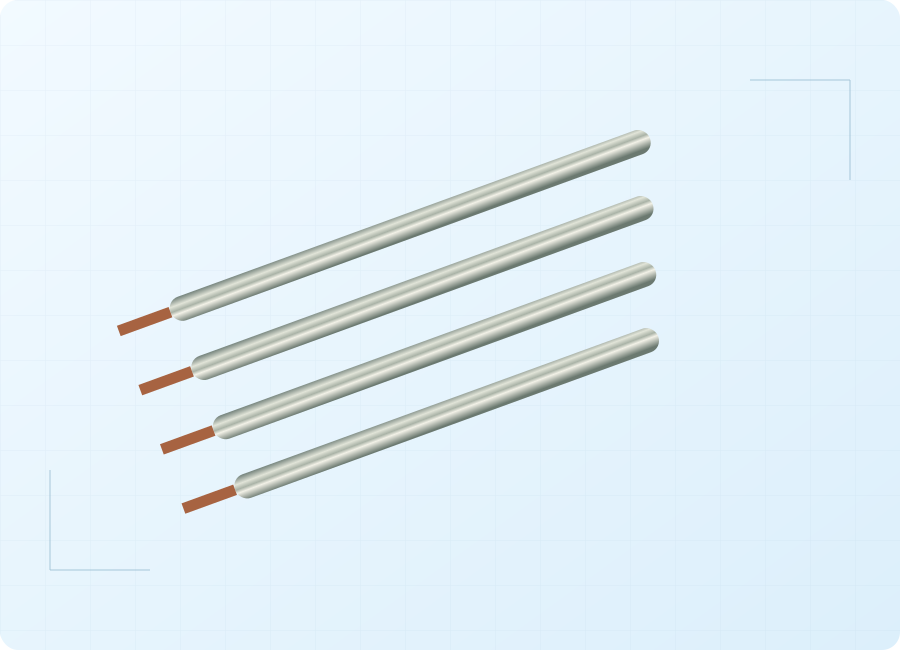
Electric Band Heaters — conceptual product-form illustration
Product-form illustration. Final construction follows the agreed specification.

About Electric Band Heaters

An electric band heater surrounds a cylindrical machine part and transfers heat toward that surface. It is commonly associated with barrels and similar equipment used in plastics processing. The assembly combines a resistance-heating circuit, electrical insulation, an outer support structure and a means of securing it. Construction determines how heat transfers and how the band should be installed. Diameter, width, segmentation and terminal location are therefore functional specifications. The relevant temperature is the component and process operating condition, rather than the temperature capability of an isolated insulation material.

Define the barrel diameter, heated width and terminal position together, then review temperature control and installation access. A replacement should match the application as well as its visible dimensions.

Product Configurations

Full-circumference bands

For a cylindrical heating zone with access around the barrel. Supply the actual outside diameter and closure arrangement so the heated coverage, installation gap and clamping method can be reviewed.

Enquire about this configuration

Half-round heating sections

For an assembly divided around the cylinder. Discuss the split locations, mounting access and electrical connections when surrounding machine components make a single-piece arrangement impractical to install or maintain.

Enquire about this configuration

Multiple barrel heating zones

For machinery with separate temperature requirements along its length. Identify each zone's width, power requirement and sensor position instead of treating the full barrel as one uniform heating duty.

Enquire about this configuration
Electric Band Heaters — conceptual product-form illustration

Customize for Your Application

Geometry and segmentation

Discuss the circumference, split positions and axial width with access to the real machine drawing. Leave practical room for fasteners, terminals and future removal.

Heating-zone definition

Map the intended process zones before assigning individual bands. Changes in barrel geometry, material flow or end losses may require different duties along the machine.

Electrical connection layout

Plan terminal or lead locations so they can be reached and protected in the installed position. Include the surrounding machine structure and cable route in the review.

Sensor and opening locations

Coordinate cutouts with the heating circuit and mechanical support. Show the sensor's intended measurement location; a convenient hole does not automatically provide representative process feedback.

Technical Information to Specify

Share these details with your inquiry. Product ratings and operating limits are confirmed for the selected configuration.

What to specifyUnit / formatSelection guidance
Heated surface diametermmMeasure the machine surface and state its tolerance; distinguish barrel diameter from an old heater's outside diameter.
Band width and coveragemm / degreesProvide axial width, required circumferential coverage and any gap or split locations.
Process and surface temperatures°CState startup and operating conditions, the control target and permitted variation at the heated part.
Electrical dutyV / W / phaseIdentify supply and required power for each zone; include the original drawing for a replacement inquiry.
Surface loadingW/cm²Review loading against the selected construction, useful heated area and heat-transfer conditions.
Terminals and leadsposition / mmShow connector orientation, lead exit, reach and clearance from moving or heated machine parts.
Openings and sensor provisionmmLocate holes, cutouts and sensing points on a dimensioned drawing rather than by a product photograph.
Installation environmentprocess descriptionDescribe contamination, vibration, cleaning and any insulation or cover fitted around the heating zone.
Heated surface diameter
mm

Measure the machine surface and state its tolerance; distinguish barrel diameter from an old heater's outside diameter.

Band width and coverage
mm / degrees

Provide axial width, required circumferential coverage and any gap or split locations.

Process and surface temperatures
°C

State startup and operating conditions, the control target and permitted variation at the heated part.

Electrical duty
V / W / phase

Identify supply and required power for each zone; include the original drawing for a replacement inquiry.

Surface loading
W/cm²

Review loading against the selected construction, useful heated area and heat-transfer conditions.

Terminals and leads
position / mm

Show connector orientation, lead exit, reach and clearance from moving or heated machine parts.

Openings and sensor provision
mm

Locate holes, cutouts and sensing points on a dimensioned drawing rather than by a product photograph.

Installation environment
process description

Describe contamination, vibration, cleaning and any insulation or cover fitted around the heating zone.

Operating Limits to Check

  • Finished-assembly ratings cannot be inferred from the temperature capability of ceramic or other insulation materials.
  • Unplanned drilling, reshaping or modification can compromise the heating circuit and insulation.
  • Drum heating and compressor crankcase heating require their own application review; a generic barrel band is not an automatic substitute.

Typical Applications

Extrusion barrel heating

For defined heating zones on extrusion machinery. Provide the barrel layout and process temperature profile, including the position of feed, transition and downstream equipment that affects available mounting space.

Injection-molding machine heating

For controlled heating around suitable cylindrical machine components. Identify the exact zone and its access constraints so replacement geometry and connection positions can be checked against the equipment.

Granulation and spinning machinery

For cylindrical heating duties in relevant material-processing equipment. Describe the material and operating cycle, and supply the machine drawing rather than selecting a band from application terminology alone.


How to Select the Right Configuration

Measure the machine interface

Record the actual heated diameter, available width and obstructions. For a replacement, combine the old nameplate with the machine drawing; a distorted or incomplete old band can be a poor dimensional reference.

Define each thermal zone

Specify the required temperature profile, power and sensing arrangement for each location. Distinguish warm-up demand from steady operation and identify whether additional covers or insulation alter the environment.

Approve the installation detail

Review construction, fastening, terminals and service access as one assembly. Apply the installation procedure specific to the selected band design, including any prescribed fit or fastening checks.

Discuss Your Band heaters Requirement

Send your application details, drawing and planned quantity. We can review the configuration and the information needed for a quotation.

Frequently Asked Questions

Those are useful starting points, but width, supply voltage, construction, closure and terminal positions also matter. Send the original nameplate and dimensioned machine interface. Identify any failure pattern or change in process conditions, because an electrically equivalent band may still fit poorly or operate outside its intended thermal conditions.
The fit influences heat transfer and mechanical stability. The required contact and fastening method depend on the construction, so one installation rule should not be applied to every band. Check the actual barrel dimensions and use the instructions for the selected design rather than compensating for an incorrect size during installation.
Treat openings as part of the approved drawing. An unplanned opening can damage the resistance circuit, insulation or mechanical support. Specify sensor holes and machine clearances during design review, with dimensions and orientation. Any later change needs review of the complete heater assembly before modification.
No. The complete heater also includes resistance wire, connections, outer structure and an installation environment. A raw material's temperature capability does not establish the assembly's operating rating. Specify the actual process temperature and require a rating for the finished band under the intended conditions.
Order quantities are agreed for each custom project. Contact VELHEAT with your intended configuration and planned quantity so these can be discussed together.
Technical references

These references explain heating principles. Confirm the ratings, approvals and operating limits of the proposed VELHEAT configuration in its own documentation.

WhatsApp