VELHEAT

Flexible Heating Films

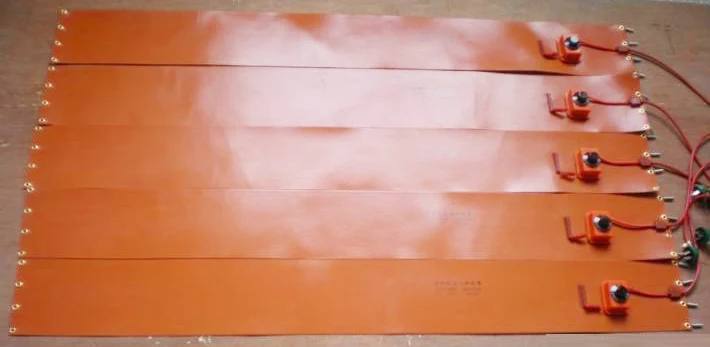
PPTC flexible heating film uses a polymer positive-temperature-coefficient heating material.

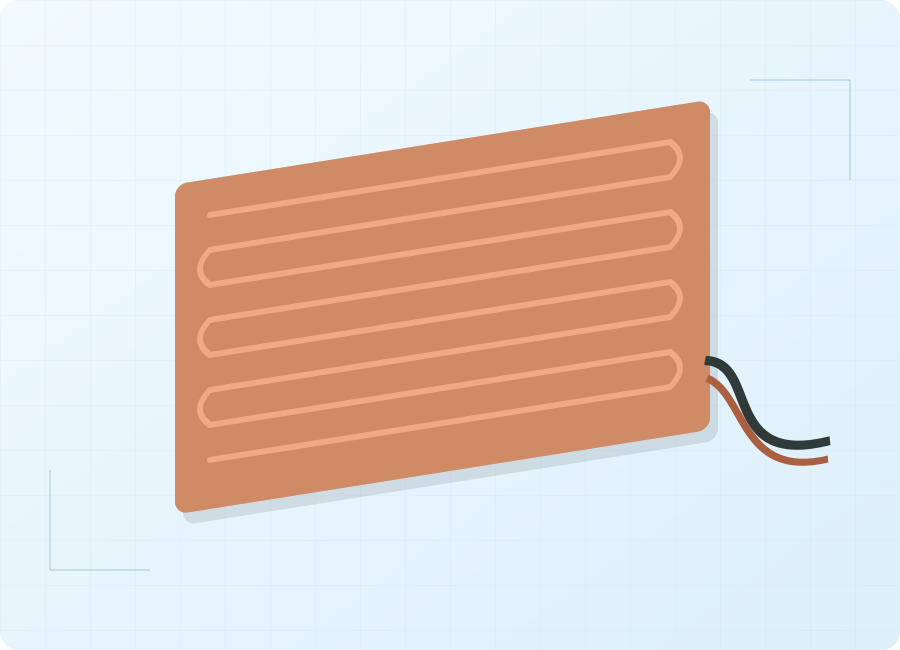
Flexible Heating Films — conceptual product-form illustration
Product-form illustration. Final construction follows the agreed specification.

About Flexible Heating Films

PPTC flexible heating film uses a polymer positive-temperature-coefficient heating material. Its resistance increases with temperature over its designed response region, changing the electrical power developed at a given applied voltage. The film is integrated with a supporting surface and electrical connections to form a working heating arrangement. Its behavior depends on ambient conditions and how heat leaves the film. Polymer-PTC behavior identifies the heating principle; film thickness or flexibility alone does not identify the complete electrical and thermal performance of a finished heater.

For a PPTC film inquiry, define the substrate, contact arrangement and required temperature response together with the power supply. The installed thermal interface is as important as the film's outline.

Product Configurations

Battery-module heating layouts

For a film positioned within a battery thermal-management design. Define the contact surface, pack geometry and temperature objectives with the battery-system team before selecting the active heating area.

Enquire about this configuration

Energy-storage heating layouts

For a film application in a stationary battery or storage assembly. Discuss the module arrangement, cold-start conditions and available control interface, including how different modules are monitored.

Enquire about this configuration

Equipment-surface heating layouts

For localized warming of a suitable equipment surface. Provide the substrate, curvature, contact method and installation environment so the film concept can be assessed against the actual thermal path.

Enquire about this configuration
Flexible Heating Films — conceptual product-form illustration

Customize for Your Application

Heating-area layout

Discuss the film outline using the equipment drawing and temperature map. Keep mounting features and connection areas distinct from the active heating region.

Contact and attachment

Review the proposed attachment method against surface material, finish and operating conditions. Evaluate the assembled interface rather than assuming a film bonded to any surface gives the same result.

Electrical response

Define the power and resistance behavior needed across startup and normal conditions. Compare measurements under the actual supply and heat-removal conditions, including the coldest required start.

Equipment integration

Coordinate the film with temperature sensing, isolation monitoring and fault response where required by the system. Allocate these functions explicitly between the heater component and equipment controller.

Technical Information to Specify

Share these details with your inquiry. Product ratings and operating limits are confirmed for the selected configuration.

What to specifyUnit / formatSelection guidance
Active area and outlinemmProvide a drawing separating heated area, inactive borders, connection zones and required clearances.
Supply and operating statesV / DC or ACState nominal supply, its operating range and the power available during cold startup.
Required heating outputW / W/cm²Define the useful heat requirement and the conditions at which startup and steady input should be evaluated.
Temperature objectives°C / minProvide ambient extremes, target surface temperature, allowable variation and required warm-up time.
Thermal interfacematerial / mmIdentify the supporting surface, interface layers, contact method and any insulation on the opposite side.
Electrical insulationtest requirementDefine system-level insulation, isolation and dielectric acceptance requirements with the responsible equipment designer.
Mechanical environmentradius / cycle requirementSpecify installed curvature, movement, vibration and the expected thermal or mechanical cycling.
Leads and sensingtype / locationShow lead routing and sensor locations, with the control and fault-detection functions required by the equipment.
Active area and outline
mm

Provide a drawing separating heated area, inactive borders, connection zones and required clearances.

Supply and operating states
V / DC or AC

State nominal supply, its operating range and the power available during cold startup.

Required heating output
W / W/cm²

Define the useful heat requirement and the conditions at which startup and steady input should be evaluated.

Temperature objectives
°C / min

Provide ambient extremes, target surface temperature, allowable variation and required warm-up time.

Thermal interface
material / mm

Identify the supporting surface, interface layers, contact method and any insulation on the opposite side.

Electrical insulation
test requirement

Define system-level insulation, isolation and dielectric acceptance requirements with the responsible equipment designer.

Mechanical environment
radius / cycle requirement

Specify installed curvature, movement, vibration and the expected thermal or mechanical cycling.

Leads and sensing
type / location

Show lead routing and sensor locations, with the control and fault-detection functions required by the equipment.

Operating Limits to Check

  • A PTC response is not a blanket guarantee against overheating or a replacement for equipment-level protection.
  • Cutting, bending, overlapping and attachment limits are design-specific.
  • Battery-life, charging-speed and energy-saving improvements require system evidence and are not inherent component claims.

Typical Applications

Battery-module preheating

For a battery system with a defined low-temperature heating strategy. The cell and pack requirements determine temperature limits and charging permissions; film selection must follow those system requirements.

Stationary energy-storage modules

For managing a specified cold operating condition in a storage assembly. Provide the module thermal path and enclosure environment, with individual sensing and system controls considered at the design stage.

Outdoor equipment warming

For compatible equipment surfaces that need local heat in cold conditions. Identify the protected component and exposure to moisture, mechanical movement and the surrounding enclosure rather than assuming universal suitability.

How to Select the Right Configuration

Define the heated assembly

Provide the surface drawing, materials and temperature objectives. Include the full layer arrangement around the film, because a free-standing sample and an installed heater can exchange heat very differently.

Evaluate electrical and thermal response

Specify the startup supply and record the required current, power and temperature response under representative conditions. Assess uniformity at the protected component as well as at the film surface.

Validate integration conditions

Agree the attachment, insulation, sensing and acceptance tests for the assembled equipment. Include loss of contact and other relevant fault conditions in the equipment-level engineering review.

Discuss Your Flexible heating films Requirement

Send your application details, drawing and planned quantity. We can review the configuration and the information needed for a quotation.

Frequently Asked Questions

The PTC response changes the heating material's electrical behavior, while a controller manages the equipment's temperature objectives and operating sequence. Those are different functions. A battery or other sensitive assembly may need sensing and independent protection even when the heating material is self-regulating. Define the complete system requirements before deciding the control architecture.
Only within the conditions explicitly established for the selected design. Cutting can alter conductors or insulation, and folds or overlaps can change the thermal interface. Submit the final shape and installation path during the inquiry; do not use a general description of flexibility as permission for field modification.
PPTC describes a polymer heating material with a positive temperature coefficient. Polyimide and polyester describe material families that may be used in other film-heater constructions. These terms do not identify an interchangeable electrical or thermal design. Compare the complete layer structure, heating circuit and rated application conditions.
Uniformity needs measurement on the representative assembly under defined ambient, supply and contact conditions. The acceptance limit should come from the battery-system requirements. A temperature image of an isolated film does not establish the temperatures inside a complete module or its behavior during changing operating conditions.
Order quantities are agreed for each custom project. Contact VELHEAT with your intended configuration and planned quantity so these can be discussed together.
Technical references

These references explain heating principles. Confirm the ratings, approvals and operating limits of the proposed VELHEAT configuration in its own documentation.

  • PPTC Flexible Heating Film

    Polymer-PTC product identity and battery/energy-storage application context only; all numerical ratings and absolute safety claims excluded.

WhatsApp