VELHEAT

Heated Sampling Lines

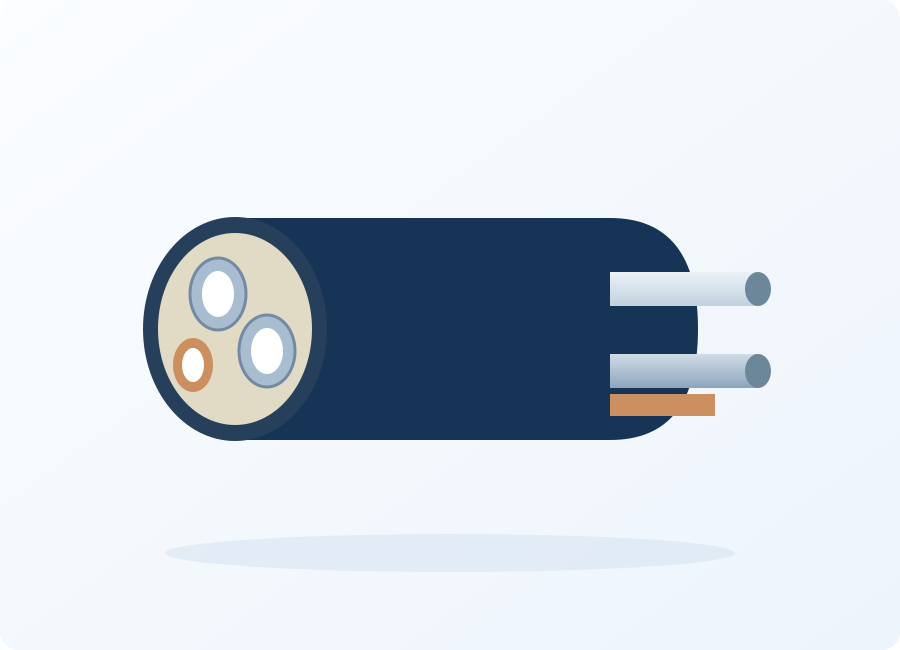
A heated sampling line combines one or more process tubes with a heat source, thermal insulation and an outer protective construction.

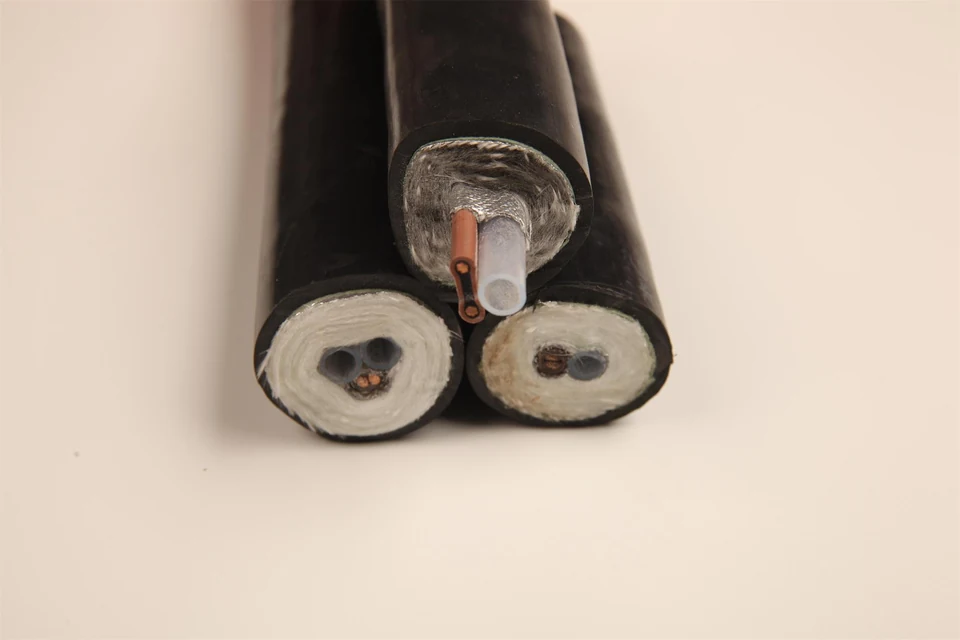
Three heated sampling tube bundles with exposed tubes, heating cables, insulation, and outer jackets.
Product reference. Construction and finish follow the agreed specification.

About Heated Sampling Lines

A heated sampling line combines one or more process tubes with a heat source, thermal insulation and an outer protective construction. It transports a sample while managing heat loss along the route. In appropriate gas-analysis systems, keeping the specified section above the relevant condensation conditions helps prevent condensate formation and associated sample changes. The required temperature is determined by the sample and analytical method, not a universal line setting. A heated line transfers the sample; the heated probe extracts it, and downstream conditioning prepares it for the analyzer.

Specify the sample chemistry, temperature objective, tube dimensions and route together. End connections and unheated transitions deserve the same attention as the line body.

Product Configurations

Self-regulating heated tube bundle

A bundle using self-regulating heat tracing is selected against its thermal duty and operating conditions. Output response does not by itself demonstrate that every point of the sample path meets the required temperature.

Enquire about this configuration

Constant-wattage heated tube bundle

A defined-output heating arrangement supports a specified tube and insulation design. Temperature control, circuit length and sensing must be coordinated with the required sample transport conditions.

Enquire about this configuration

Stainless steel sample tube bundle

A metallic sample path is considered where its material, dimensions and surface condition suit the sample and pressure duty. Identify the actual alloy and connections rather than specifying stainless steel generically.

Enquire about this configuration

Multiple-tube sampling bundle

Several tubes in one protected bundle can support an instrument arrangement with distinct sample or service paths. Specify each tube's purpose, material, dimensions and termination identification individually.

Enquire about this configuration

Fluoropolymer sample-tube bundles

PFA, FEP and PTFE sample-tube options require separate compatibility and temperature review. Select the exact tube material using the sample composition and operating conditions; these materials are not interchangeable labels.

Enquire about this configuration
Three heated sampling tube bundles with exposed tubes, heating cables, insulation, and outer jackets.

Customize for Your Application

Wetted material selection

Discuss the entire sample-contact path, including tubes and fittings, against the target compounds and sample chemistry.

Tube arrangement

Identify separate sample and service functions before defining the bundle cross-section and termination labels.

Thermal transitions

Coordinate the probe outlet, line ends and conditioning cabinet entry so an unheated connection does not undermine the heated route.

System control interface

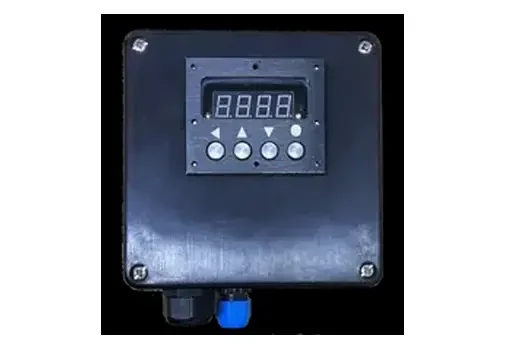
Define which equipment controls and monitors the line, including startup readiness and alarm handling within the sampling system.

Auxiliary tubes and instrument circuits

Discuss additional sample tubes, blowback lines and any integrated signal or power conductors. Specify their functions, insulation and electrical separation, and keep the sample route and service connections clear.

Blowback and cleaning exposure

Identify the maximum tube and heater exposure during purge or cleaning, together with its duration and whether heating remains energized. This condition can differ from the normal sample-maintenance duty.

Technical Information to Specify

Share these details with your inquiry. Product ratings and operating limits are confirmed for the selected configuration.

What to specifyUnit / formatSelection guidance
Sample and measurement methodcomposition / methodIdentify target analytes, moisture, possible condensable components and the analyzer's sample-conditioning requirements.
Temperature requirement°CDefine the required transport condition and relevant dew points, with a project-specific control margin and upper limit.
Sample pathmaterial / mmSpecify tube material, inner and outer diameter, tube count and compatibility of all wetted connections.
Flow and pressureflow units / kPa or barState operating flow, pressure or vacuum, and the response-time needs of the complete sampling system.
Route and lengthm / drawingShow the installed route, bends, supports, indoor-outdoor transitions and access for replacement.
Ambient exposure°C / conditionsProvide minimum ambient temperature, weather exposure and environmental demands on the outer jacket.
Electrical controlV / sensorIdentify supply, heating architecture, temperature feedback and the required alarm or monitoring interface.
Terminationsconnection / lengthDefine probe and analyzer-end connections, breakout lengths and how each transition retains the required sample condition.
Sample and measurement method
composition / method

Identify target analytes, moisture, possible condensable components and the analyzer's sample-conditioning requirements.

Temperature requirement
°C

Define the required transport condition and relevant dew points, with a project-specific control margin and upper limit.

Sample path
material / mm

Specify tube material, inner and outer diameter, tube count and compatibility of all wetted connections.

Flow and pressure
flow units / kPa or bar

State operating flow, pressure or vacuum, and the response-time needs of the complete sampling system.

Route and length
m / drawing

Show the installed route, bends, supports, indoor-outdoor transitions and access for replacement.

Ambient exposure
°C / conditions

Provide minimum ambient temperature, weather exposure and environmental demands on the outer jacket.

Electrical control
V / sensor

Identify supply, heating architecture, temperature feedback and the required alarm or monitoring interface.

Terminations
connection / length

Define probe and analyzer-end connections, breakout lengths and how each transition retains the required sample condition.

Operating Limits to Check

  • A heated line cannot recover analytes already lost through condensation or interaction upstream.
  • Sample temperature, heater temperature and jacket exposure limits are separate design conditions.
  • Corrosion resistance and hazardous-area suitability require construction-specific evidence.

Typical Applications

Continuous emissions monitoring

A heated route can connect a flue-gas sampling assembly to conditioning equipment. The temperature strategy must follow the selected analysis method and the sample components being measured.

Industrial process gas analysis

Process sampling requires tube materials and transport conditions compatible with the gas. Route length, flow and system response requirements belong in the same specification as the heater.

Outdoor analyzer connections

A protected heated bundle can address an exposed route to an analyzer shelter. Review temperature loss, weather exposure, supports and the transition through the enclosure boundary.

How to Select the Right Configuration

Define the sample condition

Start with the analytical objective and sample composition. Establish where the sample must remain heated and where intentional conditioning occurs within the selected measurement method.

Size the transport path

Coordinate tube material, diameter and length with flow, pressure loss and response requirements. Then assess heat loss and heating architecture along the actual installed route.

Close the interfaces

Review both ends with the probe and analyzer suppliers or system designer. Include fittings, exposed sections, sensors and readiness signals in the completed sampling design.

Discuss Your Heated Sampling Lines Requirement

Send your application details, drawing and planned quantity. We can review the configuration and the information needed for a quotation.

Frequently Asked Questions

The setting depends on sample composition, relevant condensation conditions and the measurement method. A hot-wet system and a system that intentionally conditions the gas may have different requirements. Establish the temperature with the analyzer or system specification rather than applying one standard setting to all flue-gas applications.
A heated line body does not guarantee a continuously heated sample path. Exposed fittings or transitions can cool the sample before it reaches the conditioning equipment. Include the probe outlet, line breakouts and cabinet entry in the thermal review so local condensation does not compromise the intended transport condition.
No. Output response to temperature is not the same as verification of the sample path. The system may still need temperature feedback, readiness logic or alarms according to its measurement requirements. Sensor position and the coldest relevant sections should be considered when defining what the displayed temperature represents.
No universal wetted material suits every sample and measurement objective. Review corrosion, adsorption and compatibility with the target compounds, as well as pressure and temperature. Include fittings and any liner or filter interfaces in that assessment; specifying only the line's outer jacket does not define the sample-contact materials.
Order quantities are agreed for each custom project. Contact VELHEAT with your intended configuration and planned quantity so these can be discussed together.
Technical references

These references explain heating principles. Confirm the ratings, approvals and operating limits of the proposed VELHEAT configuration in its own documentation.

WhatsApp