VELHEAT

Removable Heating Jackets

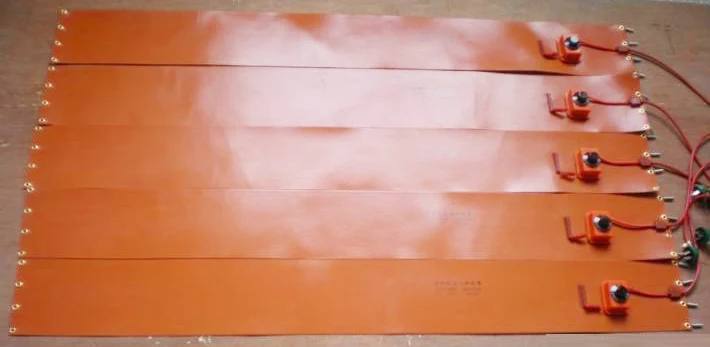
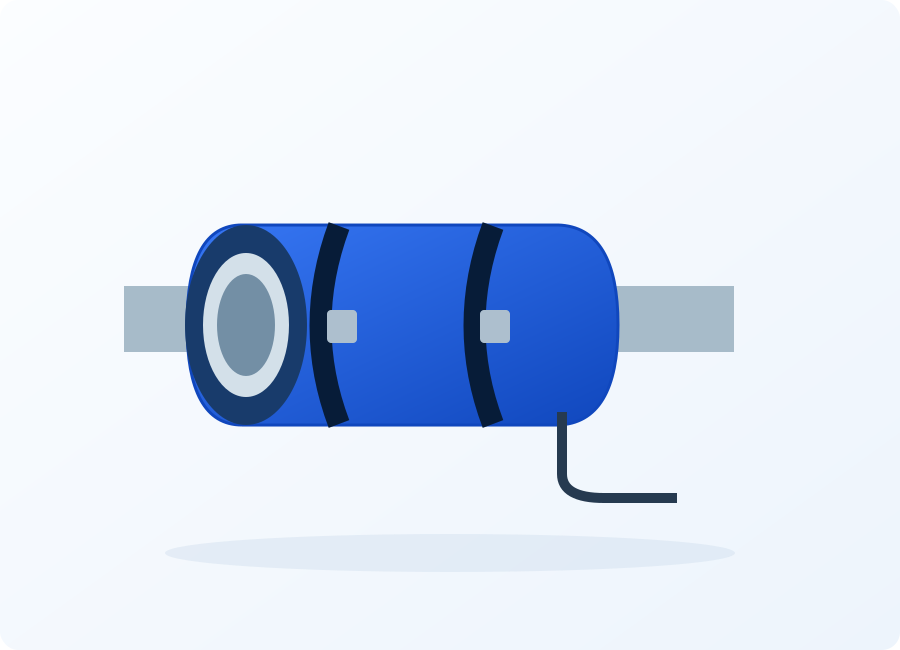
A removable heating jacket combines a heating circuit and insulation in a cover shaped around the equipment.

Removable Heating Jackets — conceptual product-form illustration
Product-form illustration. Final construction follows the agreed specification.

About Removable Heating Jackets

A removable heating jacket combines a heating circuit and insulation in a cover shaped around the equipment. A typical construction has an inner liner, an insulating layer and an outer protective cover, with the heating arrangement and sensor positions defined for the application. Its purpose differs from a passive insulation blanket, which reduces heat loss but adds no heat. Openings, closures and seams affect the fit and thermal performance. The complete jacket must therefore be assessed as an assembly, including its wiring, controls and the equipment surface it contacts.

Start with the equipment drawing, operating conditions and parts that must remain accessible.

Product Configurations

Pipe-section jackets

Fitted covers for defined pipe sections, with allowances for joints, supports and electrical exits. Specify whether adjacent sections need separate removal and how continuity of insulation will be maintained.

Enquire about this configuration

Valve and fitting jackets

Shaped covers around valves, flanges or irregular fittings. Keep operating handles, identification, inspection points and required access clear, and confirm the surface geometry from drawings or measurements.

Enquire about this configuration

Equipment insulation-and-heating covers

A heating and insulation assembly shaped for a particular equipment surface. Discuss segmented construction where a single cover would obstruct maintenance or be difficult to handle.

Enquire about this configuration
Removable Heating Jackets — conceptual product-form illustration

Customize for Your Application

Fit around the installed equipment

Use drawings and site dimensions to define contours, seams and cutouts. A nominal pipe size alone does not describe the fittings, insulation thickness or operating clearances.

Heating and insulation arrangement

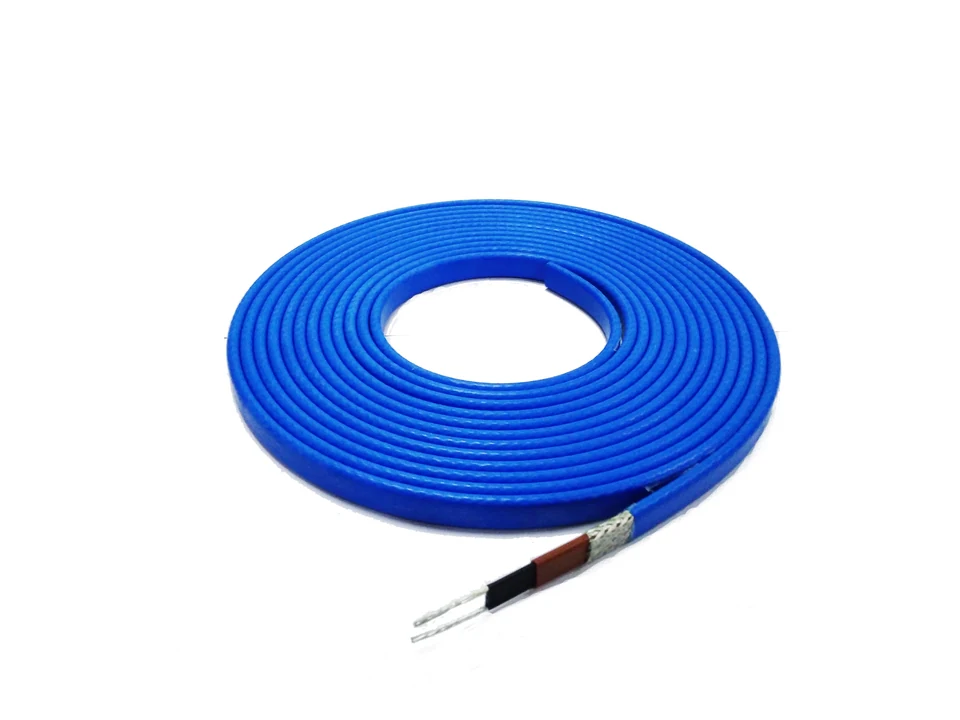
Discuss circuit positioning and insulating layers together. Avoid selecting a heater output independently of the cover construction and the equipment's allowable surface temperature.

Serviceable sections and connections

Specify how sections disconnect and where wiring, sensors and closures remain accessible. Removal for maintenance must be included in the electrical and mechanical design.

Technical Information to Specify

Share these details with your inquiry. Product ratings and operating limits are confirmed for the selected configuration.

What to specifyUnit / formatSelection guidance
Equipment geometrymm / drawingProvide outside dimensions, fittings, supports, removable parts and the surfaces requiring heat.
Process and exposure temperatures°CSeparate the temperature to maintain from the highest equipment temperature during operation or cleaning.
Heating dutyW / kWDefine heat-up or maintenance duty with ambient conditions and available insulation space.
Insulation envelopemm / materialSpecify available thickness, clearances, contact materials and restrictions around adjacent equipment.
Electrical supplyV / Hz / phaseIdentify the available supply, number of circuits and control-panel interface.
Closures and removallayout / frequencyShow opening directions, removable sections and how frequently the jacket needs to be taken off.
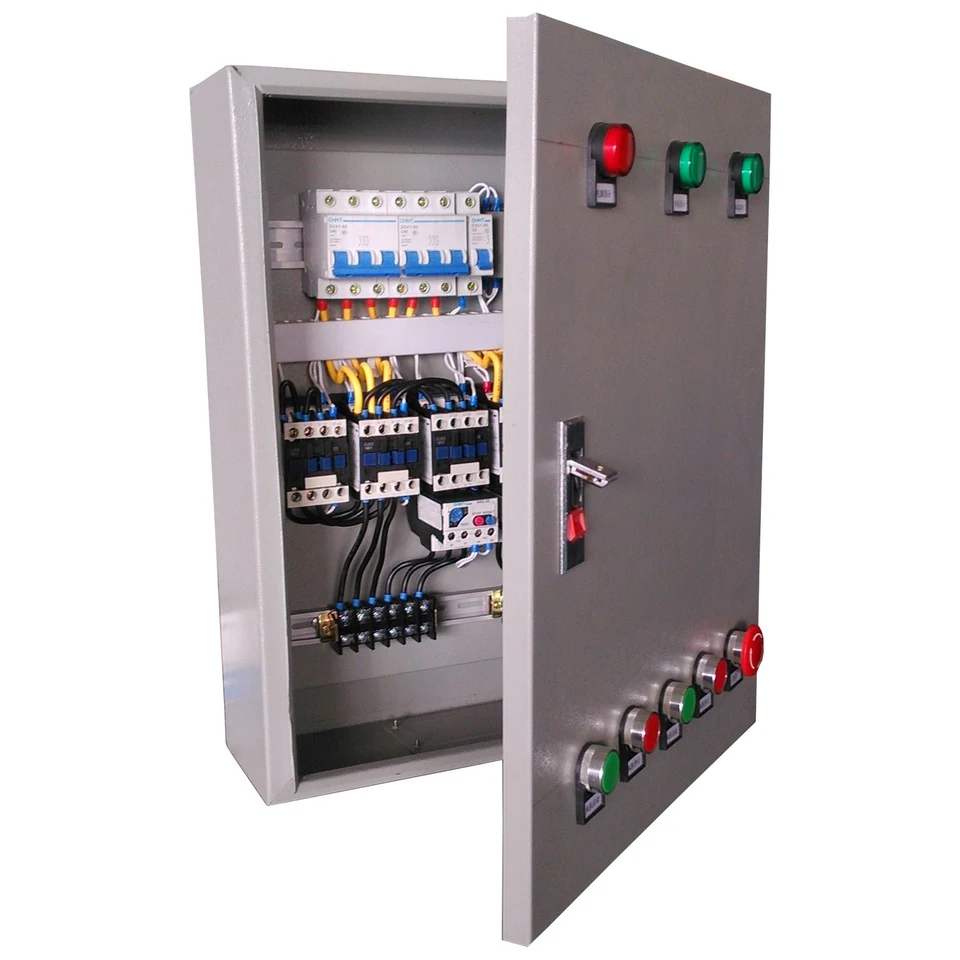
Sensing and protectiontype / locationDefine control sensors, independent temperature protection and electrical disconnect requirements.
Environmental conditionsexposure / cleaningDescribe moisture, chemicals, outdoor exposure, abrasion and the proposed cleaning method.
Equipment geometry
mm / drawing

Provide outside dimensions, fittings, supports, removable parts and the surfaces requiring heat.

Process and exposure temperatures
°C

Separate the temperature to maintain from the highest equipment temperature during operation or cleaning.

Heating duty
W / kW

Define heat-up or maintenance duty with ambient conditions and available insulation space.

Insulation envelope
mm / material

Specify available thickness, clearances, contact materials and restrictions around adjacent equipment.

Electrical supply
V / Hz / phase

Identify the available supply, number of circuits and control-panel interface.

Closures and removal
layout / frequency

Show opening directions, removable sections and how frequently the jacket needs to be taken off.

Sensing and protection
type / location

Define control sensors, independent temperature protection and electrical disconnect requirements.

Environmental conditions
exposure / cleaning

Describe moisture, chemicals, outdoor exposure, abrasion and the proposed cleaning method.

Operating Limits to Check

  • A removable heating jacket is an electrical and thermal assembly, not a passive cover with an unrestricted temperature rating.
  • Moisture, chemicals, surface temperatures and service access must be reviewed for the complete construction.
  • Hazardous-location suitability requires appropriate project-specific equipment documentation; no approval is implied by this product category.

Typical Applications

Process pipe sections

Temperature maintenance on pipe sections that require regular access. Include connected fittings and insulation transitions in the thermal assessment.

Valves and flanged equipment

Heating around irregular surfaces where a fitted removable cover can support inspection and maintenance. Preserve actuator travel and operating access.

Custom equipment surfaces

Equipment needing a defined heated and insulated envelope. Review surface compatibility, cleaning and removal with the equipment owner before finalizing the jacket.

How to Select the Right Configuration

Map the surface and access points

Prepare an equipment drawing showing the heated area, exclusions, supports and maintenance openings.

Define the complete thermal assembly

Review operating temperatures, insulation, heating circuits and sensor positions as one specification.

Agree the installation and removal method

Confirm wiring exits, closures, isolation and the sequence for safely removing and refitting the cover.

Discuss Your Removable heating jackets Requirement

Send your application details, drawing and planned quantity. We can review the configuration and the information needed for a quotation.

Frequently Asked Questions

No. Passive insulation reduces heat loss, while a heating jacket includes a heating arrangement as well as insulation. State explicitly whether the inquiry requires insulation alone or an electrically heated assembly with controls.
Provide the complete outside geometry, including flanges, valves, branches and supports. Mark access openings, sensor locations and electrical exits. Photographs help explain the layout, but the agreed dimensions must come from a drawing or site measurements.
The cover must preserve required operation and maintenance access. Identify moving parts and components with separate temperature limits. The design may need cutouts or separate sections rather than enclosing the entire valve assembly.
No. Removal and refitting need an agreed isolation procedure. The electrical connections, heating circuit and sensors must be assessed for the maintenance arrangement; removable describes the mechanical cover, not permission to handle an energized heater.
Use the complete jacket construction, equipment conditions and thermal duty. A temperature limit for one fabric or heating cable does not establish the rating of the whole assembly. Confirm the specified output and operating limits in the project documentation.
Suitability depends on the protective cover, seams, electrical connections and exposure. Describe rain, washdown, chemicals and mechanical wear in the inquiry. An indoor cover should not be assumed suitable for an outdoor installation.
Order quantities are agreed for each custom project. Contact VELHEAT with your intended configuration and planned quantity so these can be discussed together.
WhatsApp