VELHEAT

Ceramic Rope & Pad Heaters

Flexible ceramic pad heaters use a resistance-heating element supported and electrically insulated by ceramic components that can articulate around a workpiece.

Ceramic Rope & Pad Heaters — conceptual product-form illustration
Product-form illustration. Final construction follows the agreed specification.

About Ceramic Rope & Pad Heaters

Flexible ceramic pad heaters use a resistance-heating element supported and electrically insulated by ceramic components that can articulate around a workpiece. Rope-style ceramic heaters provide a narrower flexible heating arrangement suited to wrapping or positioning along a defined area. They are components of a controlled heating setup, not complete heat-treatment procedures. The pad or rope must be matched to its power source, connectors, temperature measurement and installation arrangement. Whether a particular setup is suitable for preheating or post-weld heat treatment depends on the component and the required process qualification.

Select the heater format around the workpiece, heating band and power source, then coordinate insulation, temperature sensing and control with the approved welding or heat-treatment procedure.

Product Configurations

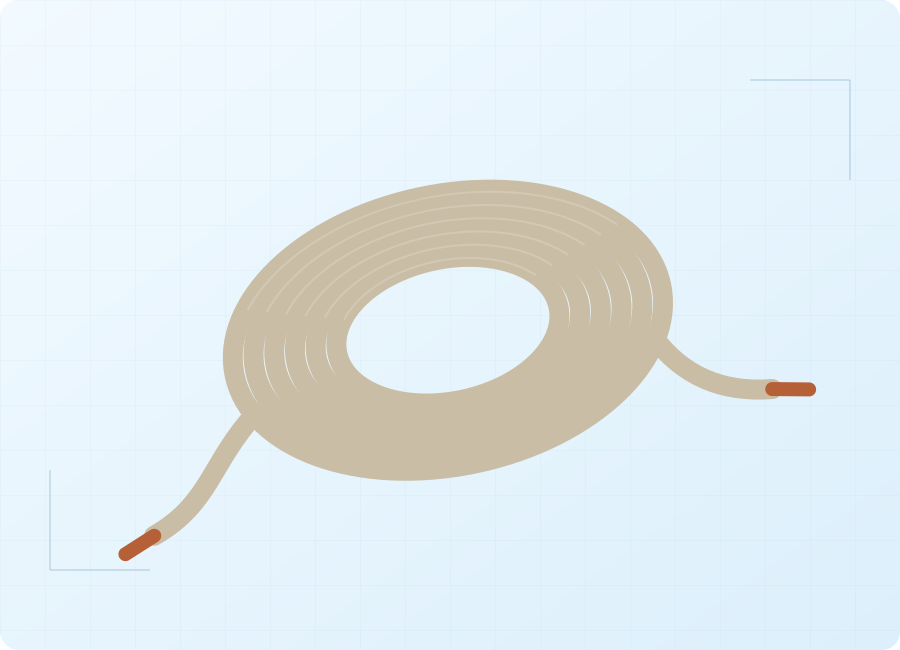
Ceramic rope heaters

For narrow heating paths around suitable cylindrical components. Review the heated length, routing and terminations together with the workpiece geometry and the procedure's required temperature coverage.

Enquire about this configuration

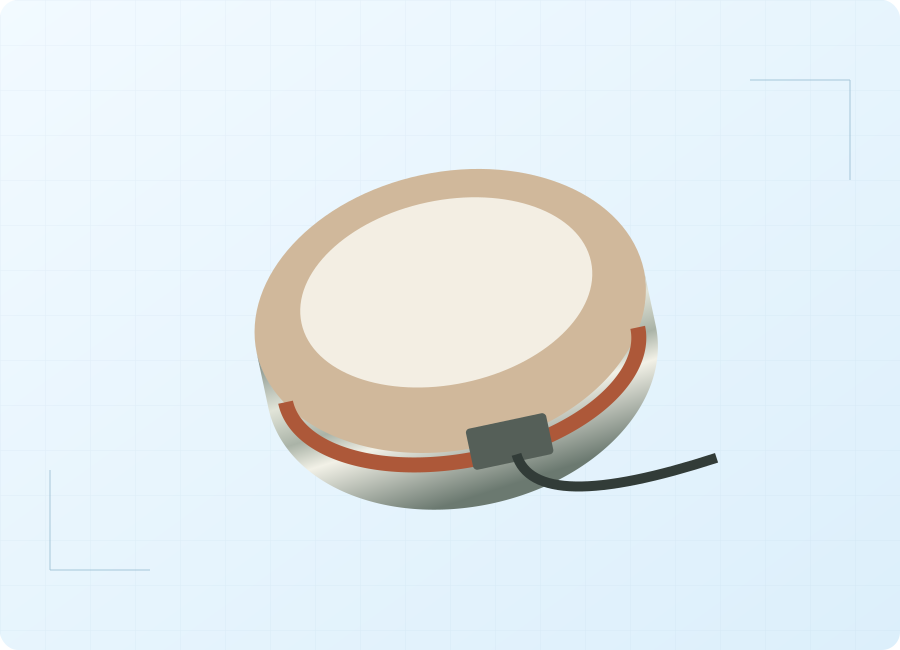
Flexible ceramic pads

For a wider heating band that follows the component surface. Define active dimensions, orientation and curvature, with room for temperature measurement and the insulation arrangement required by the process.

Enquire about this configuration

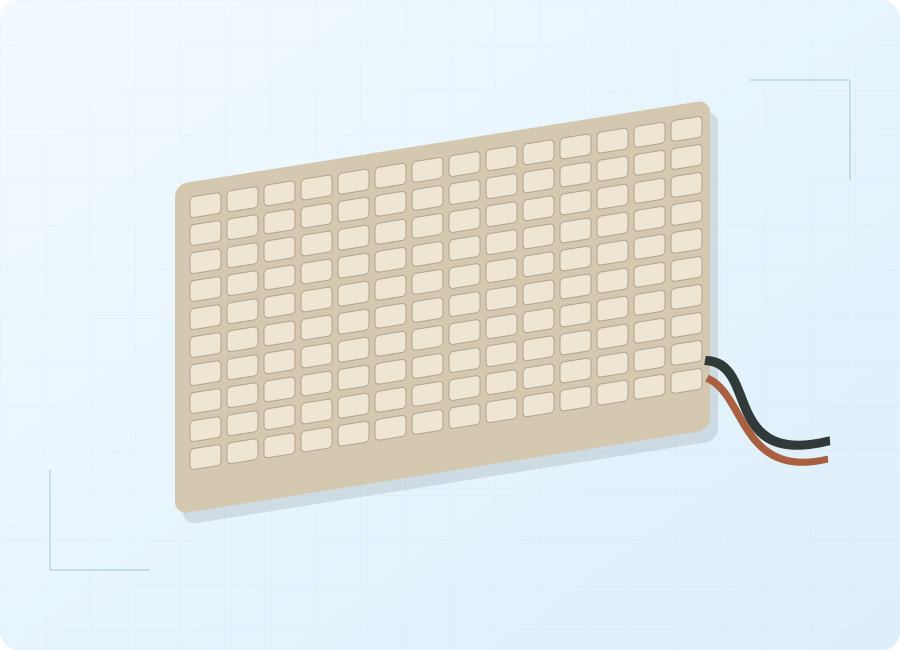
Multiple-pad zone arrangements

For components requiring several heating areas or control zones. Show the position and electrical grouping of each pad so the power-source channels and measurement plan can be assessed together.

Enquire about this configuration
Ceramic Rope & Pad Heaters — conceptual product-form illustration

Customize for Your Application

Pad and rope geometry

Discuss active dimensions against the heating band required on the workpiece. Heater size should follow the procedure and available mounting area rather than only the weld length.

Electrical matching

Review voltage, resistance and connector arrangement with the actual power unit. Separate channel capacity from individual heater demand and document the intended grouping.

Zone layout

Coordinate heater positions with component thickness changes, branches and access constraints. Establish how each area will be measured and controlled before deciding the number of pads.

Lead routing and handling

Plan the transition from the heated area to the electrical connection so installation and removal do not load the ceramic assembly unnecessarily. Include storage and inspection expectations.

Technical Information to Specify

Share these details with your inquiry. Product ratings and operating limits are confirmed for the selected configuration.

What to specifyUnit / formatSelection guidance
Workpiece geometrymmProvide diameter, wall thickness, material and the weld or fabrication drawing.
Heating-band dimensionsmmDefine the active width and length required by the heating procedure, plus insulation coverage.
Procedure temperature profile°C / timeSupply the approved heating, holding and cooling requirements and measurement acceptance criteria.
Power-source outputV / A / kVAIdentify the actual heating power unit, available channels and permitted heater loading.
Heater electrical definitionV / W / ΩConfirm the required operating voltage, power and resistance basis for the selected assembly.
Leads and connectorstype / mmProvide connector details, lead reach and the boundary between heated sections and cold connections.
Temperature measurementsensor type / locationsIdentify sensor type, positions, controller channels and recording requirements specified by the procedure.
Handling and curvaturemm / installation drawingShow the installed shape and access so the heater can be reviewed for mechanical fit and repeated handling.
Workpiece geometry
mm

Provide diameter, wall thickness, material and the weld or fabrication drawing.

Heating-band dimensions
mm

Define the active width and length required by the heating procedure, plus insulation coverage.

Procedure temperature profile
°C / time

Supply the approved heating, holding and cooling requirements and measurement acceptance criteria.

Power-source output
V / A / kVA

Identify the actual heating power unit, available channels and permitted heater loading.

Heater electrical definition
V / W / Ω

Confirm the required operating voltage, power and resistance basis for the selected assembly.

Leads and connectors
type / mm

Provide connector details, lead reach and the boundary between heated sections and cold connections.

Temperature measurement
sensor type / locations

Identify sensor type, positions, controller channels and recording requirements specified by the procedure.

Handling and curvature
mm / installation drawing

Show the installed shape and access so the heater can be reviewed for mechanical fit and repeated handling.

Operating Limits to Check

  • Heater temperature capability does not establish a qualified weld heat-treatment procedure.
  • Ceramic assemblies require handling and inspection appropriate to their construction; flexibility does not mean unrestricted bending.
  • The heater and power source must be electrically matched before use.

Typical Applications

Pipe-weld preheating

For controlled local heating around suitable pipe joints before or during welding. The welding procedure determines the required temperature and coverage; the heater is selected to support that instruction.

Post-weld heat treatment

For a qualified local heating arrangement using suitable ceramic pads. Component material, geometry and the applicable procedure determine the thermal cycle, heating zones and required temperature records.

Welded fabrication heating

For local heating on compatible fabricated components where a flexible pad arrangement can be applied. Review complex shapes and changes in section thickness when establishing measurement and control zones.

How to Select the Right Configuration

Start with the procedure

Obtain the material, workpiece drawing and required thermal cycle. Define the heating band and insulation arrangement through the responsible welding or heat-treatment engineer before selecting heater dimensions.

Match the electrical system

Check the power unit, channel capacity, connectors and heater ratings as a complete set. Similar physical dimensions do not guarantee electrical interchangeability between ceramic heating assemblies.

Plan measurement and records

Place sensors and define control zones according to the procedure. Agree what temperature record and inspection evidence must accompany the job, including the response to a failed heating or measurement channel.

Discuss Your Ceramic rope & pad heaters Requirement

Send your application details, drawing and planned quantity. We can review the configuration and the information needed for a quotation.

Frequently Asked Questions

A rope-style heater provides a narrow flexible heating path, while a pad covers a broader defined area. Their suitability depends on workpiece geometry and the procedure's heating band. Compare active coverage, attachment and electrical demand; a rope and pad with similar overall power do not necessarily produce the same temperature distribution.
No. The complete arrangement must meet the material and procedure requirements, including temperature distribution, control and recording. Ceramic insulation alone is not evidence of suitability. Specify the thermal cycle and workpiece details, then review the heater, power source, insulation and sensing arrangement as one process setup.
Only after electrical compatibility is checked. The required voltage, resistance, current and connection arrangement must agree with the power unit and channel loading. A matching connector or similar pad size is insufficient evidence. Keep the heater identification and electrical data available for every proposed replacement.
Include pipe diameter, wall thickness, material, weld drawing and the required heating procedure. Add the available power unit, connector details and proposed sensor locations. Photographs can clarify access, but they do not replace the dimensions and process requirements needed to select the active heating area.
Order quantities are agreed for each custom project. Contact VELHEAT with your intended configuration and planned quantity so these can be discussed together.
Technical references

These references explain heating principles. Confirm the ratings, approvals and operating limits of the proposed VELHEAT configuration in its own documentation.

WhatsApp