VELHEAT

Compressor Crankcase Heaters

A compressor crankcase heater warms the oil-containing region of a refrigeration or air-conditioning compressor.

Compressor Crankcase Heaters — conceptual product-form illustration
Product-form illustration. Final construction follows the agreed specification.

About Compressor Crankcase Heaters

A compressor crankcase heater warms the oil-containing region of a refrigeration or air-conditioning compressor. This can reduce the tendency for refrigerant to migrate into cooler compressor oil during off periods. The required heater and operating sequence depend on the compressor and refrigeration system. An external heating band is selected around the specified shell location, circumference and electrical duty. It is a compressor accessory with a defined operating purpose; it does not correct liquid refrigerant floodback, poor system control or an unrelated mechanical fault.

The aim is controlled warming for off-cycle refrigerant migration management, with the correct fit, power and control relationship. A replacement enquiry should begin with the compressor model and existing heater information.

Product Configurations

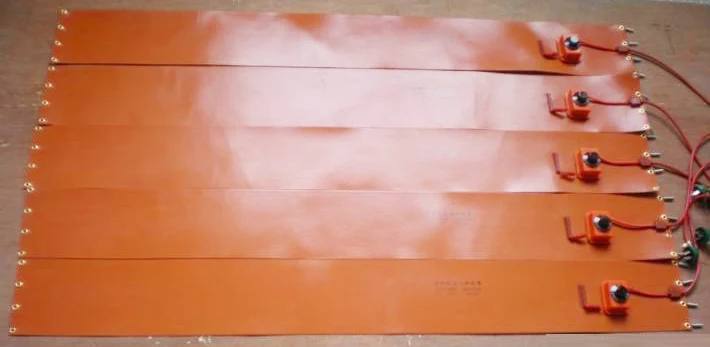
External compressor heating band

A band around the designated compressor shell area provides external heat input. Selection must match the shell dimensions, fastening arrangement, available mounting space and the compressor manufacturer's heater requirements.

Enquire about this configuration
Compressor Crankcase Heaters — conceptual product-form illustration

Customize for Your Application

Dimensional match

Use the actual mounting location and available access to define band fit and the fastening envelope.

Electrical match

Compare heater voltage and power with the approved equipment requirement, including the way the heater circuit is controlled.

Assembly integration

Review the lead exit and termination against service panels, vibration-prone locations and the original cable route.

Replacement identification

Include the old heater label, compressor identification and photographs of the installed position to support an unambiguous comparison.

Technical Information to Specify

Share these details with your inquiry. Product ratings and operating limits are confirmed for the selected configuration.

What to specifyUnit / formatSelection guidance
Compressor identificationmodel / drawingProvide the exact compressor model, application and relevant heater or installation instructions.
Shell fitmmGive the mounting diameter or circumference, permitted band position and any obstruction around the shell.
Band envelopemmState the required heated length, width and fastening clearance; include a drawing for replacement matching.
Heater powerWUse the compressor manufacturer's heater requirement or an approved engineering specification, rather than selecting by size alone.
Supply characteristicsV / Hz / AC or DCConfirm the actual heater supply and control-circuit arrangement independently of the compressor motor nameplate.
Ambient and off-cycle duty°C / operating scheduleDescribe minimum ambient conditions, wind exposure and expected stopped periods for the equipment.
Leads and terminationmm / connectorIdentify lead length, exit direction, connector interface and routing constraints inside the equipment.
Control requirementssequenceProvide the intended control and pre-start requirements from the compressor or equipment manufacturer.
Compressor identification
model / drawing

Provide the exact compressor model, application and relevant heater or installation instructions.

Shell fit
mm

Give the mounting diameter or circumference, permitted band position and any obstruction around the shell.

Band envelope
mm

State the required heated length, width and fastening clearance; include a drawing for replacement matching.

Heater power
W

Use the compressor manufacturer's heater requirement or an approved engineering specification, rather than selecting by size alone.

Supply characteristics
V / Hz / AC or DC

Confirm the actual heater supply and control-circuit arrangement independently of the compressor motor nameplate.

Ambient and off-cycle duty
°C / operating schedule

Describe minimum ambient conditions, wind exposure and expected stopped periods for the equipment.

Leads and termination
mm / connector

Identify lead length, exit direction, connector interface and routing constraints inside the equipment.

Control requirements
sequence

Provide the intended control and pre-start requirements from the compressor or equipment manufacturer.

Operating Limits to Check

  • Compressor manufacturer requirements govern heater selection, placement and operating sequence.
  • A crankcase heater does not resolve system faults causing liquid floodback or slugging.
  • Band dimensions alone do not establish thermal or electrical compatibility.

Typical Applications

Refrigeration compressor packages

A correctly specified crankcase heater supports the compressor's off-cycle protection strategy. Selection remains tied to the compressor model, refrigeration application and manufacturer-defined operating requirements.

Air-conditioning and heat-pump equipment

External bands may form part of an equipment design where the compressor requires crankcase heating. The accessory must be coordinated with the unit's controls and service access.

Maintenance replacement

Replacement work requires a match to the original duty and dimensions. Identifying only the band diameter leaves important electrical, environmental and control requirements unresolved.


How to Select the Right Configuration

Establish the required heater duty

Find the heater requirement for the exact compressor and application. Record the specified power, control sequence and any required warming before compressor operation.

Check the shell interface

Measure the designated location and document obstructions, lead direction and fastening space. A band that fits somewhere on the shell may still be incorrectly positioned for the intended duty.

Confirm equipment compatibility

Compare the electrical supply, control arrangement and service environment. Have the finished selection reviewed with the equipment requirements before treating it as an approved replacement.

Discuss Your Crankcase Heaters Requirement

Send your application details, drawing and planned quantity. We can review the configuration and the information needed for a quotation.

Frequently Asked Questions

It supplies heat to the compressor's oil-containing region to help reduce off-cycle refrigerant migration into the oil. Its suitability depends on the compressor and system conditions. Use the equipment manufacturer's guidance to establish whether a heater is required and how it should operate; this accessory is not a general remedy for every compressor problem.
More power is not automatically better. Excessive heating can be harmful, while the required duty depends on the compressor and its surroundings. Match the heater to the compressor manufacturer's requirements and review severe ambient exposure with the equipment designer. Do not substitute an arbitrary high-power band for the specified heater.
Crankcase heating is not a remedy for liquid floodback or liquid slugging. Those conditions require investigation of the refrigeration system and its operating controls. If the problem occurs while the compressor is running, increasing heater power is not an appropriate substitute for diagnosing the underlying cause.
Follow the compressor or equipment manufacturer's control and pre-start instructions. The correct sequence depends on the specific compressor and system design. Do not infer that a heater should run continuously, only with the motor, or for a fixed universal preheating time. Supply the intended sequence with the enquiry.
No. Also check voltage, wattage, mounting position, width, fastening, lead arrangement and operating conditions. The compressor model and original heater identification provide a more reliable starting point than circumference alone. A general silicone heating band should not be assumed suitable simply because it can wrap around the shell.
Order quantities are agreed for each custom project. Contact VELHEAT with your intended configuration and planned quantity so these can be discussed together.
Technical references

These references explain heating principles. Confirm the ratings, approvals and operating limits of the proposed VELHEAT configuration in its own documentation.

WhatsApp