VELHEAT

Silicone Rubber Heaters

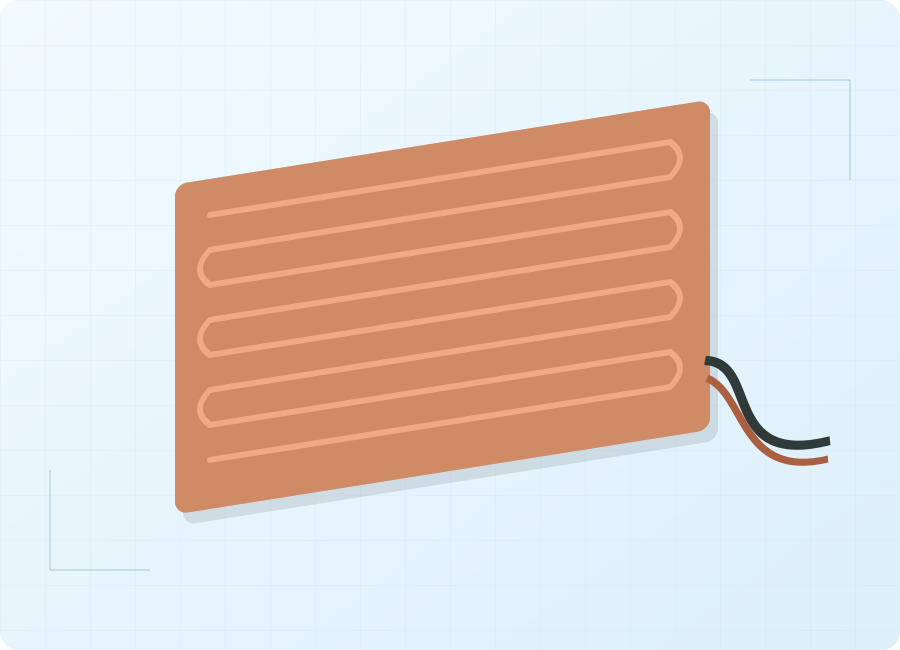
A silicone rubber heater places an electrical resistance element within a flexible silicone-based insulating construction.

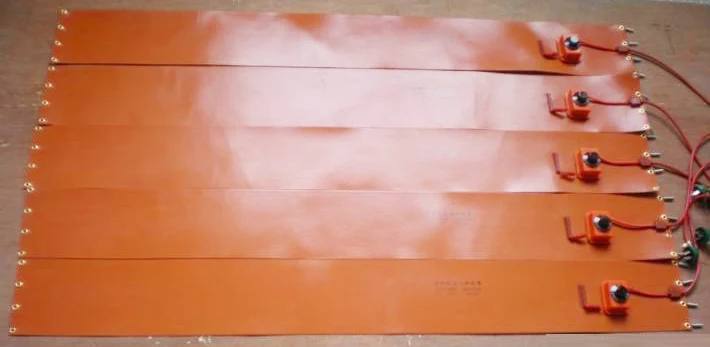
Five orange silicone heating strips with wired temperature controls.
Product reference. Construction and finish follow the agreed specification.

About Silicone Rubber Heaters

A silicone rubber heater places an electrical resistance element within a flexible silicone-based insulating construction. It transfers heat through contact with a surface, making geometry and attachment central to the design. Flat pads suit defined panels or plates; wraps and tapes follow selected curved shapes. The useful operating conditions depend on the entire assembly, including the element, insulation, leads, mounting and temperature control. Flexibility does not mean a heater can be folded sharply, trimmed after manufacture or installed with gaps beneath an active heating area.

Define its outline, contact area, mounting and lead position alongside the desired temperature response. Pads, wraps and narrow tapes address different shapes, while controls protect the complete assembly.

Product Configurations

Flat heating pad or sheet

A defined flat outline suits plates, panels and equipment surfaces. Include any holes, unheated margins and lead exits in the drawing so the active heating pattern can be considered with the geometry.

Enquire about this configuration

Drum or vessel heating wrap

An external wrap heats through a container wall. Selection depends on the vessel dimensions, contents, required temperature and contact arrangement rather than the drum volume or heater appearance alone.

Enquire about this configuration

Formed pipe heating element

A pipe-shaped silicone assembly addresses a specific outside diameter and heated length. Clarify whether the requested construction includes thermal insulation and how it will attach to the actual pipe.

Enquire about this configuration

Narrow silicone heating tape

A narrow flexible heater follows an approved surface route where a broad pad does not fit. Routing, bends, contact and local heat concentration require attention when defining the finished assembly.

Enquire about this configuration

Etched-foil silicone heaters

A resistive foil pattern encapsulated in silicone provides a sheet-heating construction. Review the pattern, heated area, leads and mounting method together; the construction name does not establish an available watt density or temperature rating.

Enquire about this configuration

Foam-insulated silicone pipe-heater assemblies

A shaped silicone heating arrangement combined with an insulating foam sleeve for an identified pipe. Confirm pipe fit, the foam material and temperature limits, lead exits and service access for the complete assembly.

Enquire about this configuration
Five orange silicone heating strips with wired temperature controls.

Customize for Your Application

Shape and heated zones

Discuss the outline and the desired heating distribution together, especially around cut-outs, edges and sections with different heat losses.

Attachment interface

Compare a bonded or mechanically retained design against service access, curvature and the expected surface condition.

Sensor position

Place the measurement requirement in the equipment drawing so the controller responds to the temperature that matters to the process.

Lead routing

Specify exit location and strain management around moving parts, covers and the assembly process.

Technical Information to Specify

Share these details with your inquiry. Product ratings and operating limits are confirmed for the selected configuration.

What to specifyUnit / formatSelection guidance
Heater outlinemmSupply a drawing with dimensions, holes, edge clearances and the area that actually needs heating.
Contact surfacematerial / finishIdentify surface material, curvature, flatness and any coating affecting attachment or heat transfer.
Thermal duty°C / timeState initial temperature, target temperature, permitted surface temperature and the desired warm-up behaviour.
Output and loadingW / W/cm²Assess total power and local watt density against the available contact area and thermal conditions.
Supply and lead arrangementV / mmIdentify AC or DC supply, lead length, exit direction and the intended electrical interface.
Mounting method—Describe permanent or removable attachment, surface preparation constraints and access for replacement.
Temperature feedbacksensor type / locationDefine the controlled surface or process temperature and any separate overtemperature protection requirement.
Service environmentconditionsDeclare moisture, cleaning agents, vibration and chemical exposure for review of the complete heater assembly.
Heater outline
mm

Supply a drawing with dimensions, holes, edge clearances and the area that actually needs heating.

Contact surface
material / finish

Identify surface material, curvature, flatness and any coating affecting attachment or heat transfer.

Thermal duty
°C / time

State initial temperature, target temperature, permitted surface temperature and the desired warm-up behaviour.

Output and loading
W / W/cm²

Assess total power and local watt density against the available contact area and thermal conditions.

Supply and lead arrangement
V / mm

Identify AC or DC supply, lead length, exit direction and the intended electrical interface.

Mounting method
—

Describe permanent or removable attachment, surface preparation constraints and access for replacement.

Temperature feedback
sensor type / location

Define the controlled surface or process temperature and any separate overtemperature protection requirement.

Service environment
conditions

Declare moisture, cleaning agents, vibration and chemical exposure for review of the complete heater assembly.

Operating Limits to Check

  • Maximum material temperature does not establish the permissible operating temperature of the mounted heater assembly.
  • Medical, food-contact, hazardous-location and washdown use require application-specific evidence.
  • A flexible heater still needs an approved bend, contact and mounting arrangement.

Typical Applications

Equipment plates and housings

A shaped pad can heat a defined equipment surface. Its outline, thermal contact and control scheme should be coordinated with the material being warmed and surrounding components.

External container warming

A wrap can supply heat through a drum or vessel wall. Product behaviour, changing liquid level and vessel construction determine the required temperature and operating safeguards.

Local pipe surface heating

A formed element or tape addresses a bounded pipe section. Pipe diameter, surface condition, surrounding insulation and the required access determine whether this format suits the installation.

How to Select the Right Configuration

Define the surface before the wattage

Start with the contact drawing and the material being heated. Identify where the heater can sit continuously against the surface and where holes or obstacles require unheated areas.

Connect power to thermal response

Provide the load, starting condition and target temperature. Evaluate output with the attachment and control strategy instead of choosing the highest watt density available.

Review the complete assembly

Check the heater, mounting, sensor and lead arrangement together. A material temperature rating alone does not establish the permitted temperature or environmental suitability of every component.

Discuss Your Silicone Rubber Heaters Requirement

Send your application details, drawing and planned quantity. We can review the configuration and the information needed for a quotation.

Frequently Asked Questions

A finished heater should not be trimmed or drilled unless its specific design expressly permits it. Cutting can damage the resistance element or electrical insulation. Put holes, slots, clearances and the finished outline into the enquiry drawing so these features are addressed before the heater is made.
The heater is intended to pass heat into the contacted part. Gaps change that heat-transfer path and can create locally hotter sections of the heater. Review the flatness or curvature of the surface, attachment method and heating distribution together. A temperature reading elsewhere on the equipment may not reveal a local contact problem.
The material name alone does not establish an enclosure or water-exposure rating. Edges, leads, joints, sensors and mounting all matter. Describe splash, condensation or cleaning conditions in the enquiry and request product-specific evidence for the proposed assembly rather than treating all silicone heaters as interchangeable.
A general silicone pad or wrap is selected for a defined surface-heating task. A compressor crankcase heater has a specific role in refrigerant migration management and must match the compressor manufacturer's requirements. Similar materials do not make a general drum band or pad a suitable compressor replacement.
Order quantities are agreed for each custom project. Contact VELHEAT with your intended configuration and planned quantity so these can be discussed together.
Technical references

These references explain heating principles. Confirm the ratings, approvals and operating limits of the proposed VELHEAT configuration in its own documentation.

  • Custom Silicone Rubber Heaters

    General resistance-element and silicone insulation construction and mounting considerations; no listed ratings or certifications adopted.

WhatsApp