Door-frame heating circuits
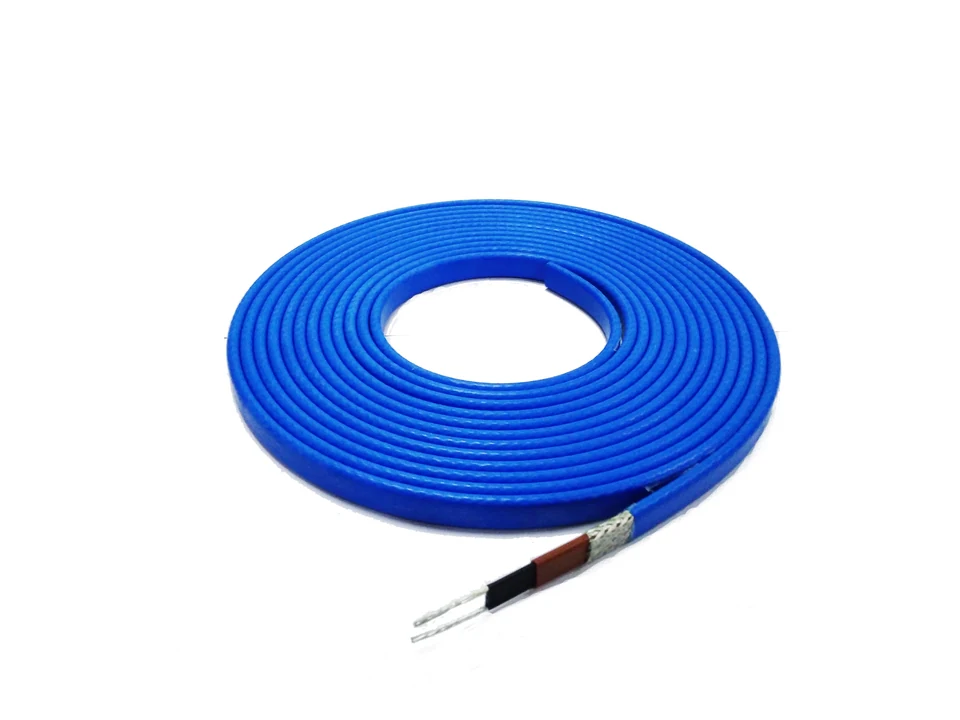
Heating cable fitted to a defined frame route or channel. Confirm the frame material, channel dimensions, sealing method and clearance from hinges, seals and moving parts.
Enquire about this configurationA cold-room door heating cable supplies heat around the contact region between the door and frame to help prevent freezing.
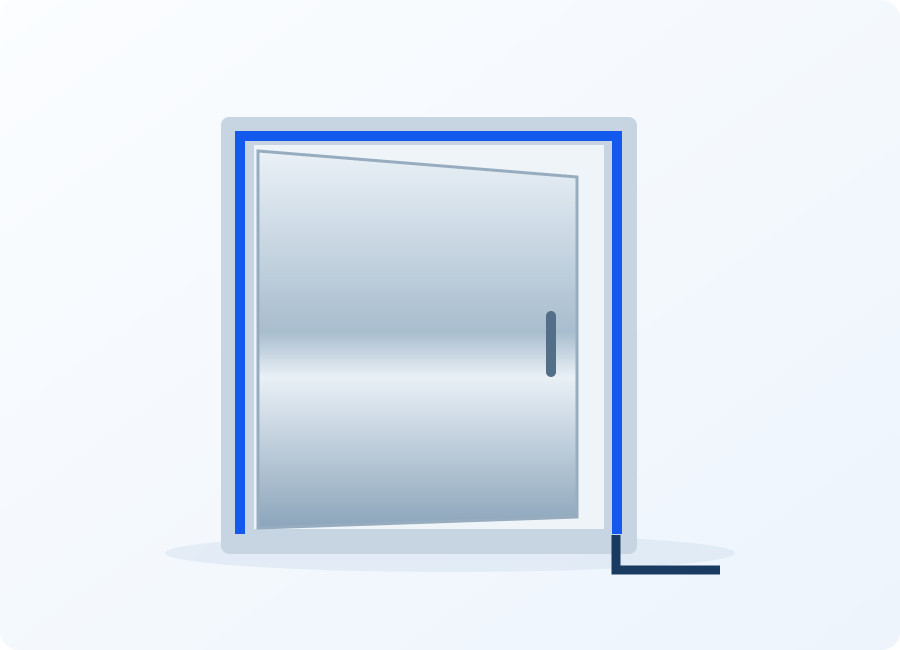
A cold-room door heating cable supplies heat around the contact region between the door and frame to help prevent freezing. Dedicated frame installations need a compatible cable cross-section, routed heated length, electrical supply and moisture-protected terminations. Self-regulating constructions appear in the source material for this application, but the name does not establish a fixed frame temperature or remove the need for circuit protection. Refrigeration drain lines present a different installation: a cable fixed externally to a pipe must be selected for that pipe and environment, and is not automatically an immersion heater.
Distinguish the door-frame circuit from external drain-pipe tracing and other refrigeration duties before choosing the construction.
Heating cable fitted to a defined frame route or channel. Confirm the frame material, channel dimensions, sealing method and clearance from hinges, seals and moving parts.
Enquire about this configurationA frame-heating assembly designed around a specified low-voltage supply. Select the power source and protection with the complete circuit; low voltage alone does not establish installation suitability.
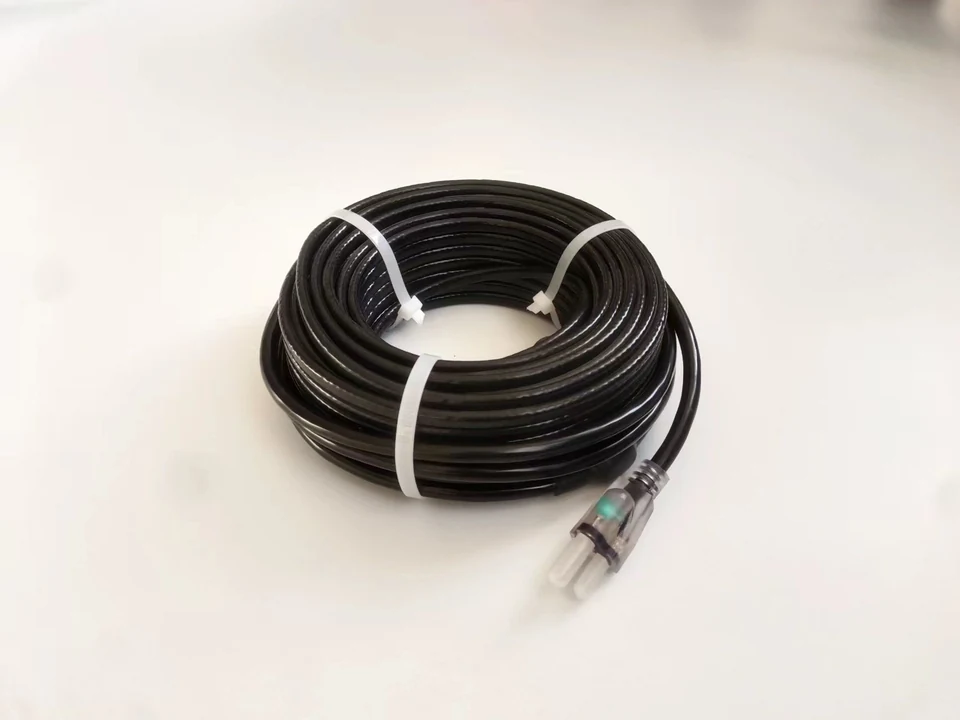
Enquire about this configurationA separately specified heating circuit attached to the outside of a drain pipe where freeze protection is required. Confirm pipe material, route, insulation and wet-area conditions; internal or submerged use needs separate product suitability.
Enquire about this configurationDiscuss cable dimensions, heated length and termination positions against the frame drawing. Changes to the door design may require a new route and thermal review.
Specify the available electrical system and the number of doors or pipe circuits. A different voltage cannot be substituted without confirming the heater and power-source requirements.
Locate terminations and lead exits where they can be protected and serviced. Confirm the complete connection assembly and cleaning conditions, rather than relying on the insulation material alone.
Share these details with your inquiry. Product ratings and operating limits are confirmed for the selected configuration.
| What to specify | Unit / format | Selection guidance |
|---|---|---|
| Door and frame drawing | mm / layout | Provide frame dimensions, door travel, seals, hinges and the complete heated route. |
| Frame channel or mounting space | mm | State the available width, depth, bend geometry and sealing arrangement for the cable. |
| Operating conditions | °C / duty cycle | Identify cold-room temperature, surrounding conditions and door-opening or cleaning cycles. |
| Heated and unheated lengths | m | Separate the frame or pipe heating section from leads and connection locations. |
| Electrical supply | V / AC or DC | State the available supply and power-source arrangement. Confirm the selected assembly's required supply characteristics. |
| Heat output and circuit loading | W/m / W / A | Determine required heat input and electrical loading for the selected construction and installation conditions. |
| Moisture and cleaning exposure | environment / method | Describe condensation, washdown and cleaning agents, including exposure at connections and cable exits. |
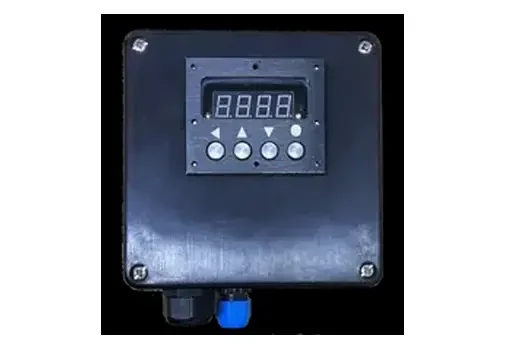
| Controls and protective devices | type / interface | Define temperature sensing, switching, isolation and circuit protection with the equipment design. |
Provide frame dimensions, door travel, seals, hinges and the complete heated route.
State the available width, depth, bend geometry and sealing arrangement for the cable.
Identify cold-room temperature, surrounding conditions and door-opening or cleaning cycles.
Separate the frame or pipe heating section from leads and connection locations.
State the available supply and power-source arrangement. Confirm the selected assembly's required supply characteristics.
Determine required heat input and electrical loading for the selected construction and installation conditions.
Describe condensation, washdown and cleaning agents, including exposure at connections and cable exits.
Define temperature sensing, switching, isolation and circuit protection with the equipment design.
Heating around the frame contact region where ice can interfere with opening. Confirm the intended thermal duty with the cold-room equipment designer.
Frame-heating circuits for lower-temperature equipment, subject to the actual frame geometry, opening frequency, supply and protective arrangements.
External pipe tracing for an identified drain route. Treat the pipe circuit as a separate specification from the door heater and confirm any water-contact restrictions.
Show whether the problem is at a door contact surface, an external drain pipe or another component. Do not substitute one circuit design for every refrigeration task.
Confirm route geometry, mounting dimensions, electrical supply and operating conditions before selecting a cable construction.
Check terminations, moisture exposure, temperature control and electrical protection with the completed equipment design.
Send your application details, drawing and planned quantity. We can review the configuration and the information needed for a quotation.