VELHEAT

Hot Water Temperature Maintenance

A hot-water maintenance heating system applies controlled trace heating to suitable insulated hot-water distribution pipes.

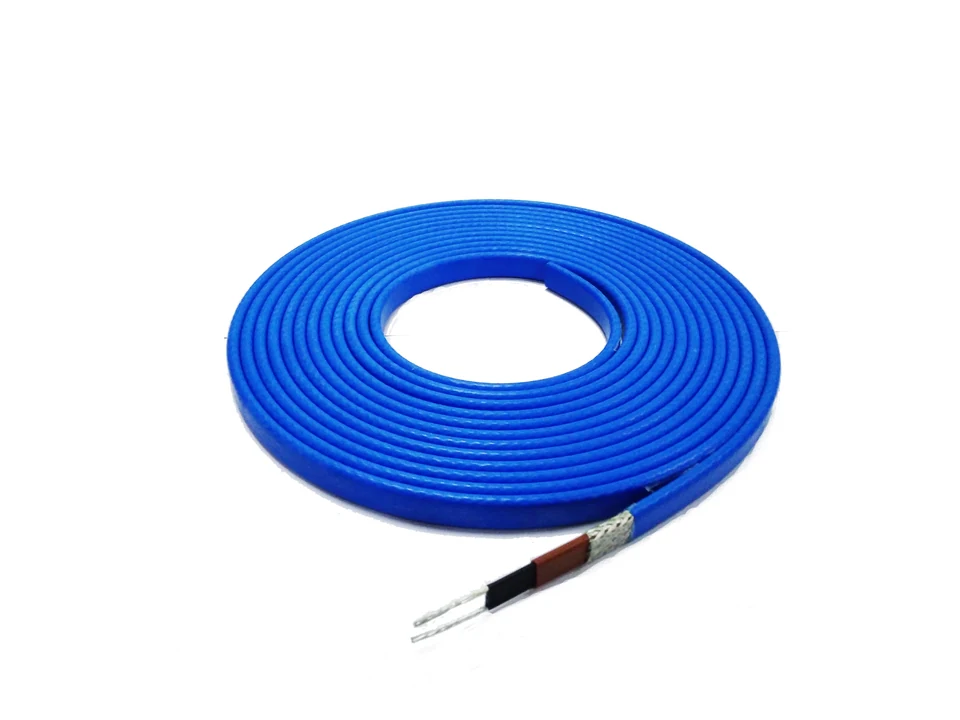
Hot Water Temperature Maintenance — conceptual product-form illustration
Product-form illustration. Final construction follows the agreed specification.

About Hot Water Temperature Maintenance

A hot-water maintenance heating system applies controlled trace heating to suitable insulated hot-water distribution pipes. It supplements the central water-heating equipment by compensating for heat lost along the pipe network. Self-regulating cable is commonly used, with controls selected for the intended operating temperature and schedule. This duty differs from protecting a cold-water line against freezing. It also differs from instantaneously heating a flowing cold supply. The hydraulic layout, circulation strategy, water-management requirements and electrical design must be considered together.

The focus is replacing pipe heat loss during low-flow or no-flow periods. Pipe insulation, branch geometry and coordinated temperature control determine how the system performs.

Product Configurations

Self-regulating maintenance circuits

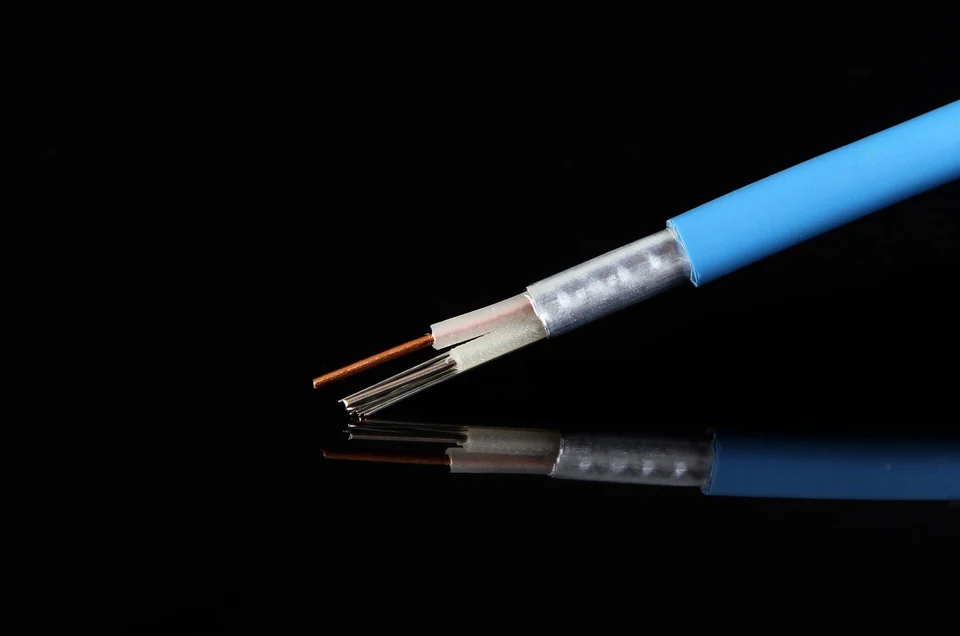
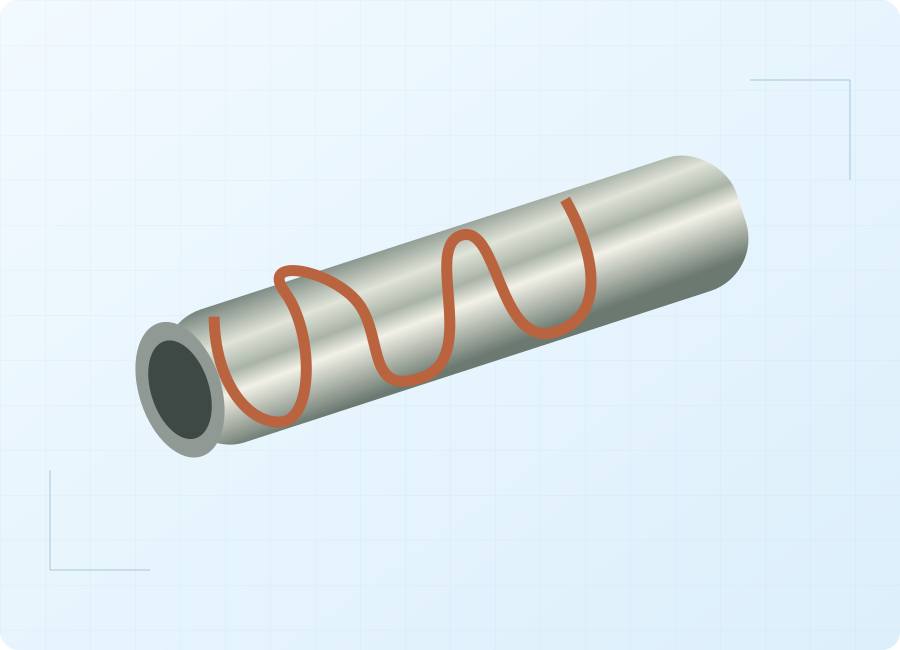
Application-specific self-regulating cable is installed externally on the hot-water pipe beneath suitable insulation. Select it for the required maintenance duty and the pipe's full operating-temperature envelope.

Enquire about this configuration

Individually controlled pipe zones

Separate circuits can serve defined risers, branches or operating zones. Their grouping should follow temperature requirements, circuit limits and building use rather than an arbitrary equal division of pipe length.

Enquire about this configuration

Monitored building systems

Larger installations may need central status, alarms or management-system interfaces. Specify the actual signals and control responsibilities instead of assuming a local thermostat provides building-wide supervision.

Enquire about this configuration
Hot Water Temperature Maintenance — conceptual product-form illustration

Customize for Your Application

Branch and riser zoning

Group the network around use patterns and thermal conditions. Separate control may be relevant where parts of the building have different service schedules or temperature requirements.

Pipe and insulation coordination

Review plastic or metal pipe compatibility, fittings and insulation continuity. Changing the insulation thickness after cable selection can change the heating requirement and operating behaviour.

Control strategy

Discuss the maintenance setpoint, supervision and response to faults with the plumbing designer. A timed reduction should not be specified independently of the building's water-management requirements.

Installation and handover scope

Identify circuit labels, network drawings, controller settings and monitoring records needed for the building team. Define responsibilities at interfaces with the central water-heating plant.

Technical Information to Specify

Share these details with your inquiry. Product ratings and operating limits are confirmed for the selected configuration.

What to specifyUnit / formatSelection guidance
Water distribution objectiveservice descriptionDescribe the building and the desired condition at points of use. Identify whether the proposed trace heating supports an existing circulation strategy or a newly engineered distribution layout.
Required pipe maintenance temperature°CProvide the temperature required by the plumbing and water-management design. Keep it separate from water-heater storage temperature, mixing settings and the cable's exposure limit.
Network and pipe dimensionsm; outside diameterSupply a branch or riser schematic with pipe sizes, valves, supply locations and points of use. Identify unheated terminal sections and different temperature zones.
Insulation and surroundingsmaterial; mm; °CState insulation material and thickness, installation location and ambient range. The required heat replacement depends on these conditions at each pipe section.
Maximum operating exposure°C; durationList the highest normal water temperature and any cleaning or treatment temperature cycles. Confirm the permitted exposure for the cable, pipe and connection components.
Electrical circuit arrangementV; m; circuitsProvide available supplies, planned circuit groups and accessible connection positions. Check starting conditions and electrical protection against the selected assembly.
Control and monitoringsensor; schedule; signalsDefine sensing positions, operating schedule and required alarms. Confirm how the heating controls coordinate with the central water heater and any building management system.
Water distribution objective
service description

Describe the building and the desired condition at points of use. Identify whether the proposed trace heating supports an existing circulation strategy or a newly engineered distribution layout.

Required pipe maintenance temperature
°C

Provide the temperature required by the plumbing and water-management design. Keep it separate from water-heater storage temperature, mixing settings and the cable's exposure limit.

Network and pipe dimensions
m; outside diameter

Supply a branch or riser schematic with pipe sizes, valves, supply locations and points of use. Identify unheated terminal sections and different temperature zones.

Insulation and surroundings
material; mm; °C

State insulation material and thickness, installation location and ambient range. The required heat replacement depends on these conditions at each pipe section.

Maximum operating exposure
°C; duration

List the highest normal water temperature and any cleaning or treatment temperature cycles. Confirm the permitted exposure for the cable, pipe and connection components.

Electrical circuit arrangement
V; m; circuits

Provide available supplies, planned circuit groups and accessible connection positions. Check starting conditions and electrical protection against the selected assembly.

Control and monitoring
sensor; schedule; signals

Define sensing positions, operating schedule and required alarms. Confirm how the heating controls coordinate with the central water heater and any building management system.

Operating Limits to Check

  • Temperature-maintenance cable is not a substitute for sizing the central water heater or verifying the plumbing distribution design.
  • No automatic energy-saving percentage, immediate-hot-water guarantee or water-hygiene outcome can be inferred from the cable type.
  • External hot-water tracing does not imply approval for direct immersion or potable-water contact.

Typical Applications

Commercial hot-water branches

Maintain suitable insulated distribution branches serving multiple points of use, where the building's plumbing design permits this approach. The length of any final unheated section still affects delivery.

Hotels and residential buildings

Evaluate trace heating as part of the distribution design for rooms and apartments with different usage patterns. Circuit grouping and operating control should follow the actual service layout.

Public and institutional facilities

Consider monitored temperature maintenance for suitable service networks with defined operating requirements. Coordination with the facility's water-management plan is essential when selecting temperatures and schedules.

How to Select the Right Configuration

Start with the plumbing schematic

Map the water heater, distribution pipes, circulation components, mixing arrangements and points of use. Define the role of trace heating within that system before selecting cable or promising a delivery-time improvement.

Calculate each zone's heat loss

Use pipe size, insulation and ambient conditions to establish the maintenance duty. Review the cable's output at the required operating temperature, not simply a power value quoted at a different reference condition.

Coordinate control and verification

Agree sensors, setpoints and fault indications with the responsible building-services designer. Commission the thermal and electrical operation against the completed distribution design and retain the settings for facility maintenance.

Discuss Your Hot Water Maintenance Requirement

Send your application details, drawing and planned quantity. We can review the configuration and the information needed for a quotation.

Frequently Asked Questions

No. Hot-water maintenance tracing primarily compensates for heat lost from the distribution pipes. The central plant still supplies hot water and the building's required heating capacity. A proposal to heat cold flowing water requires a different thermal calculation and should not be assumed from a maintenance-cable description.
Some purpose-designed distribution systems use trace heating as an alternative to a recirculation arrangement. That is a plumbing-system decision, not an automatic result of adding cable. Evaluate local requirements, branch geometry, water management, controls and expected operating conditions before changing an existing return-pipe design.
No universal delivery-time promise follows from trace heating. The final unheated section, pipe volume, flow rate and mixing arrangement still affect the water reaching a tap. A system assessment should identify those sections and distinguish the temperature maintained in the network from performance at each outlet.
No. A cable's local output response does not establish a building's water-hygiene strategy. Storage temperatures, distribution design, mixing, flushing and monitoring remain part of the responsible water-management plan. The trace-heating setpoint and any schedule must be coordinated with that plan rather than treated as a stand-alone solution.
Order quantities are agreed for each custom project. Contact VELHEAT with your intended configuration and planned quantity so these can be discussed together.
Technical references

These references explain heating principles. Confirm the ratings, approvals and operating limits of the proposed VELHEAT configuration in its own documentation.

WhatsApp