VELHEAT

Self-Regulating Heating Cables

A self-regulating heating cable uses a temperature-responsive conductive material between parallel supply conductors.

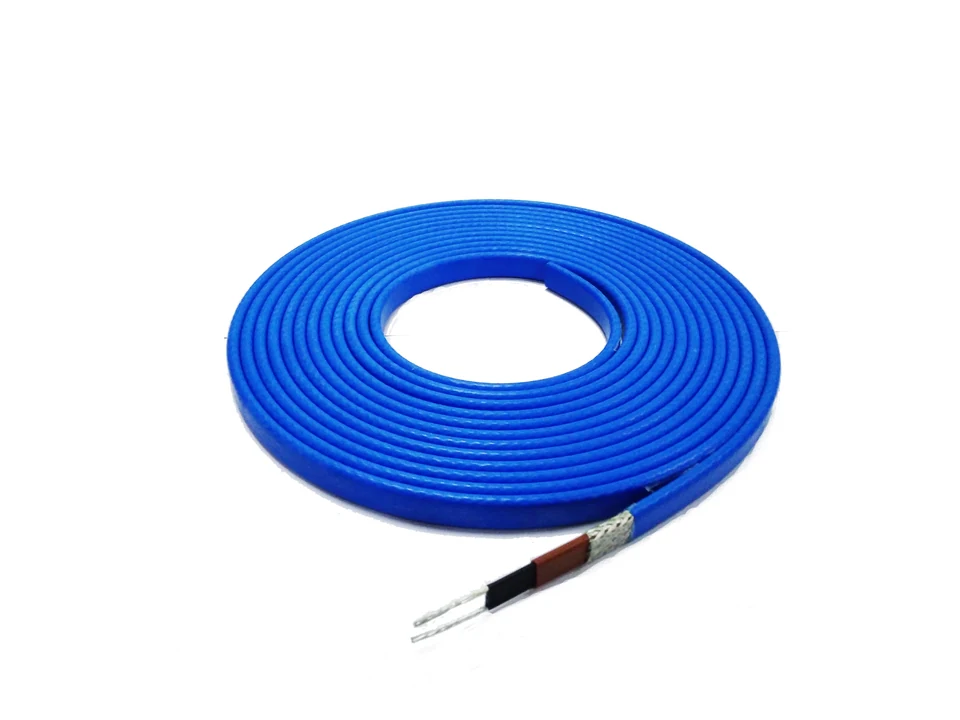
Coiled blue self-regulating heating cable with exposed layers at one end.
Product reference. Construction and finish follow the agreed specification.

About Self-Regulating Heating Cables

A self-regulating heating cable uses a temperature-responsive conductive material between parallel supply conductors. As the material warms, its electrical resistance rises and its heat output generally decreases; cooler sections produce more heat. This response occurs along the cable, rather than at a single sensing point. Self-regulation is a material characteristic, not a precise temperature setting or an unlimited overheating safeguard. A complete system still needs an appropriate cable construction, circuit design, protection, terminations and, where the application requires it, temperature control.

This technology changes its local heat output as temperature changes, making it useful where different sections of a circuit experience different heat losses. Start with the thermal duty and installation conditions.

Product Configurations

Low-temperature freeze-protection cables

Designed around preventing an insulated pipe from reaching freezing conditions. Selection depends on the pipe material, outside diameter, minimum ambient temperature and insulation, rather than the cable's family name alone.

Enquire about this configuration

Medium-temperature process-maintenance cables

Chosen for a defined process temperature and operating environment. Compare the output available at the required pipe temperature, the highest process exposure and the outer jacket's chemical compatibility.

Enquire about this configuration

Higher-temperature and exposure constructions

Considered when cleaning, steam service or process excursions expose the cable to temperatures above its normal duty. Continuous and intermittent exposure limits require separate review, including whether the heater remains energized.

Enquire about this configuration

Application-specific finished assemblies

A self-regulating core can be part of pipe kits, hot-water systems or roof assemblies. Each finished application needs its own jacket, connections, control strategy and installation instructions; the core technology alone does not establish suitability.

Enquire about this configuration

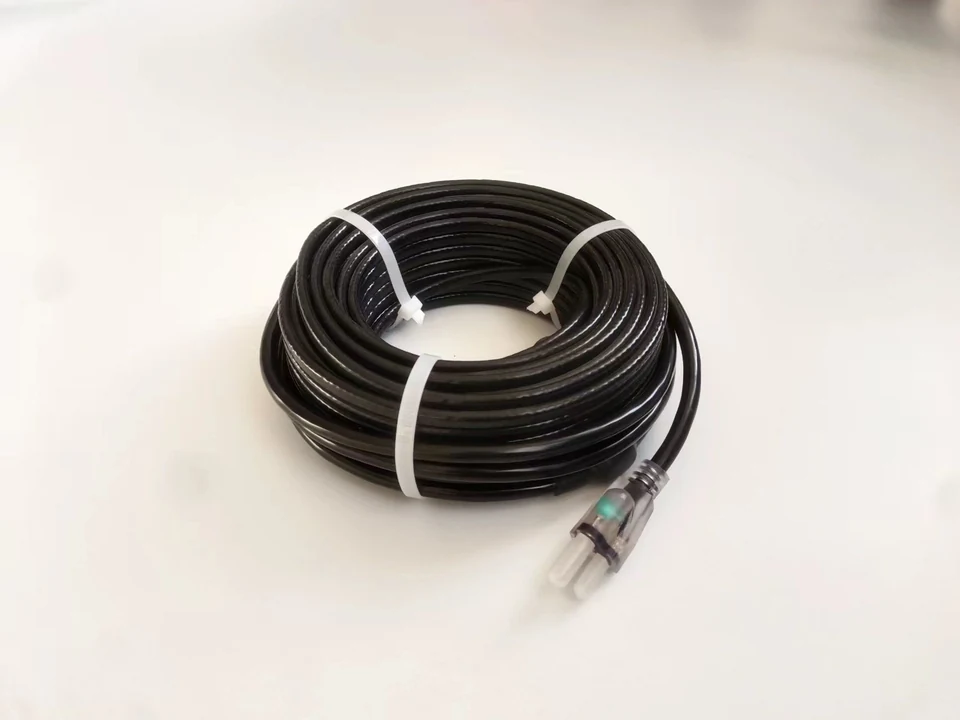
Round-profile self-regulating cables

A round external profile can suit a different mounting envelope from a flat heating tape. Confirm the actual construction, dimensions, bend requirements and connection system; the shape alone establishes no temperature or environmental rating.

Enquire about this configuration

Low-voltage self-regulating arrangements

Where the equipment requires a lower supply voltage, review cable output, circuit length, startup current and the power source together. Treat the finished electrical arrangement as a specified configuration rather than substituting voltage on a standard cable.

Enquire about this configuration
Coiled blue self-regulating heating cable with exposed layers at one end.

Customize for Your Application

Thermal duty

Build the enquiry around freeze prevention, viscosity control or temperature maintenance. Different duties can require different output curves even when the installation looks similar.

Jacket and mechanical protection

Discuss the actual chemicals, abrasion and weather exposure. Selecting an outer jacket by colour or a competitor's model code is insufficient for compatibility assessment.

Circuit and termination package

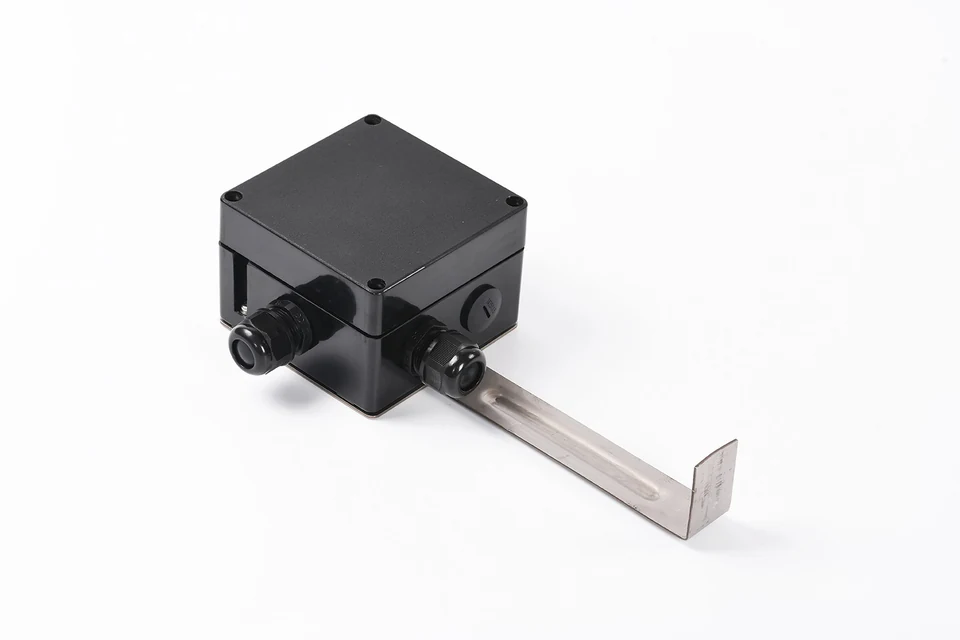
Identify cable runs, branches, end seals and the location of junction boxes. Cable and connection components should be assessed as a compatible system.

Controls and identification

Specify the required sensor arrangement, circuit labels and documentation language. For repeat projects, an agreed circuit schedule makes future replacement and inspection more straightforward.

Braid and outer-jacket options

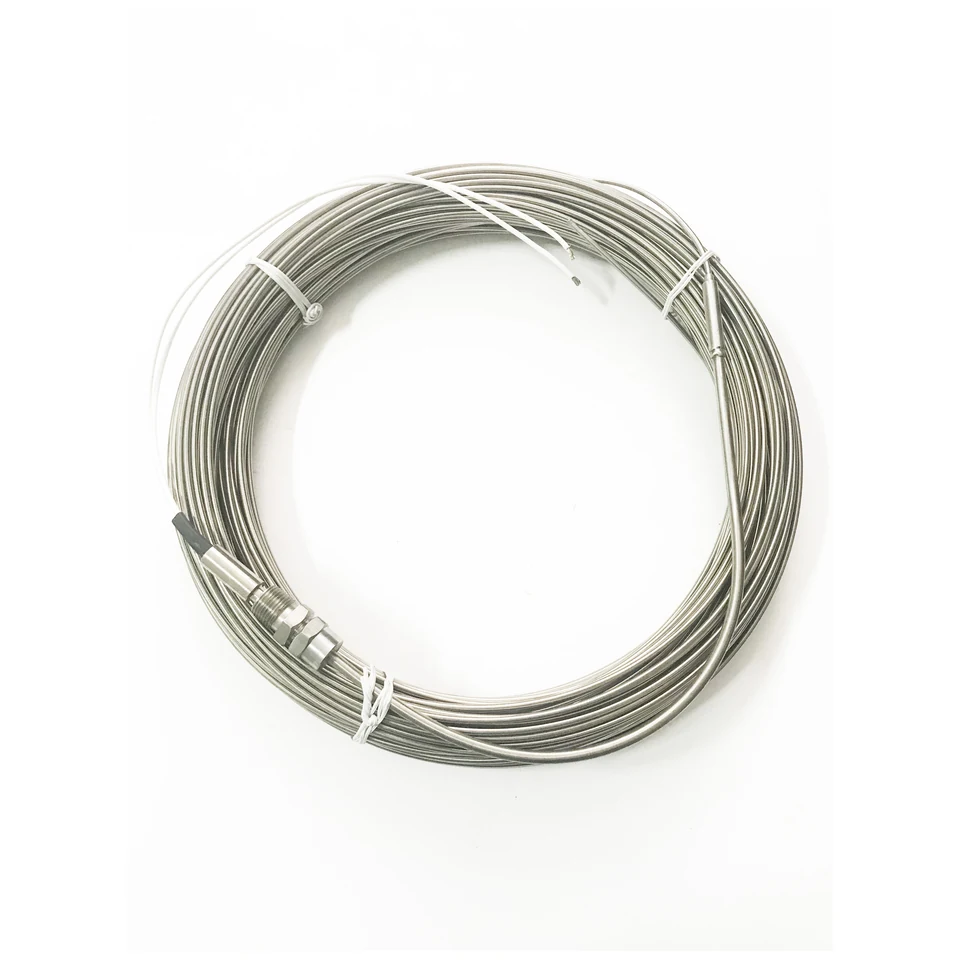
Discuss the grounding braid, mechanical protection and polyolefin or fluoropolymer outer jacket against the site exposure. A metal braid is a construction feature; it does not by itself establish hazardous-location approval.

Technical Information to Specify

Share these details with your inquiry. Product ratings and operating limits are confirmed for the selected configuration.

What to specifyUnit / formatSelection guidance
Temperature to maintain°CState the required pipe or equipment temperature and allowable variation. Keep this separate from ambient air temperature and the maximum process excursion.
Minimum ambient and start-up temperature°CProvide both the coldest operating environment and the anticipated temperature when the circuit first starts. Start-up conditions affect electrical circuit selection.
Heat-loss requirementW/mSupply the calculated loss, or the pipe dimensions, insulation material and thickness needed to calculate it. Compare cable output at the intended maintenance temperature.
Maximum exposure°C; durationIdentify continuous exposure, occasional cleaning excursions and whether power is on or off during each event. A maximum exposure label does not define a maintain temperature.
Supply and circuit layoutV; mList the available voltage, circuit lengths, branch points and power positions. Maximum circuit length must follow the chosen cable and protection arrangement.
Surface and environmentmaterial; locationIdentify metal or plastic surfaces, moisture, sunlight, oils, cleaning chemicals and any classified area. These inputs guide jacket, attachment and approval requirements.
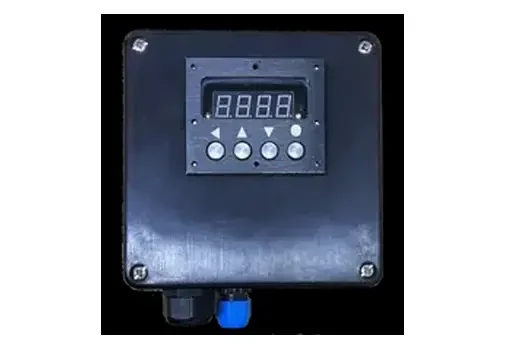
Control and monitoringsensor type; signalsDescribe the temperature measurement, alarm and monitoring requirements. State whether the project needs local switching, central supervision or a defined high-temperature limit.
Temperature to maintain
°C

State the required pipe or equipment temperature and allowable variation. Keep this separate from ambient air temperature and the maximum process excursion.

Minimum ambient and start-up temperature
°C

Provide both the coldest operating environment and the anticipated temperature when the circuit first starts. Start-up conditions affect electrical circuit selection.

Heat-loss requirement
W/m

Supply the calculated loss, or the pipe dimensions, insulation material and thickness needed to calculate it. Compare cable output at the intended maintenance temperature.

Maximum exposure
°C; duration

Identify continuous exposure, occasional cleaning excursions and whether power is on or off during each event. A maximum exposure label does not define a maintain temperature.

Supply and circuit layout
V; m

List the available voltage, circuit lengths, branch points and power positions. Maximum circuit length must follow the chosen cable and protection arrangement.

Surface and environment
material; location

Identify metal or plastic surfaces, moisture, sunlight, oils, cleaning chemicals and any classified area. These inputs guide jacket, attachment and approval requirements.

Control and monitoring
sensor type; signals

Describe the temperature measurement, alarm and monitoring requirements. State whether the project needs local switching, central supervision or a defined high-temperature limit.

Operating Limits to Check

  • Self-regulation does not remove the need for circuit protection, compatible terminations or an application-specific thermal design.
  • Do not assume overlap, immersion, hazardous-area use or direct potable-water contact is permitted without explicit approval for the selected assembly.
  • Cable performance depends on the insulation and installation condition; damaged or waterlogged insulation changes the heat loss.

Typical Applications

Insulated industrial pipes

Maintain temperature along process pipework where ambient conditions and fittings create uneven heat loss. Valves, supports and branches need specific allowance within the thermal design.

Freeze prevention for services

Protect suitable insulated water-service pipes in cold areas. A finished pipe kit may be more appropriate when the project needs a defined assembly and connection format.

Equipment temperature maintenance

Apply trace heating to compatible small vessels, instruments or transfer components after checking contact conditions, surface limits and the equipment's geometry. Pipe calculations should not be reused unchanged.

How to Select the Right Configuration

Define the temperature envelope

Record the normal target, coldest surroundings and highest exposure as separate conditions. Include cleaning and shutdown events so that cable survival is not assessed only during normal production.

Match output to the thermal loss

Use the actual insulation and surface information to establish the duty. Review the selected cable's output-versus-temperature information; a single catalogue wattage cannot describe its output at every temperature.

Review the complete circuit

Check the starting conditions, circuit lengths, protective devices, terminations and control functions together. Submit a marked-up pipe drawing when branches or multiple operating zones make a simple length estimate unreliable.

Discuss Your Self-Regulating Cable Requirement

Send your application details, drawing and planned quantity. We can review the configuration and the information needed for a quotation.

Frequently Asked Questions

Not automatically. The cable adjusts output as its own temperature changes, but this does not guarantee a specific fluid temperature. A controller may be needed for process accuracy, scheduling, energy management or temperature limits. The decision follows the application design and the selected cable's installation requirements.
Many parallel self-regulating cables can be cut for an engineered circuit, but minimum and maximum lengths, start-up current and connection requirements still apply. A preassembled kit may have different restrictions. Confirm the particular cable and assembly instructions before treating a supplied length as field-adjustable.
No universal performance equivalence follows from those names. Compare the actual output curve, maintain-temperature capability, continuous exposure, intermittent exposure and jacket conditions. A temperature appearing in a product title may describe survival during exposure rather than the temperature that the system can maintain.
The underlying heating technology may be shared, but the finished products are not automatically interchangeable. Roof exposure, potable-water installations, hot-water control and industrial service introduce different requirements. Select the assembly for the intended application and verify its documented use, components and installation method.
Order quantities are agreed for each custom project. Contact VELHEAT with your intended configuration and planned quantity so these can be discussed together.
Technical references

These references explain heating principles. Confirm the ratings, approvals and operating limits of the proposed VELHEAT configuration in its own documentation.

WhatsApp