VELHEAT

Ground Thawing Blankets

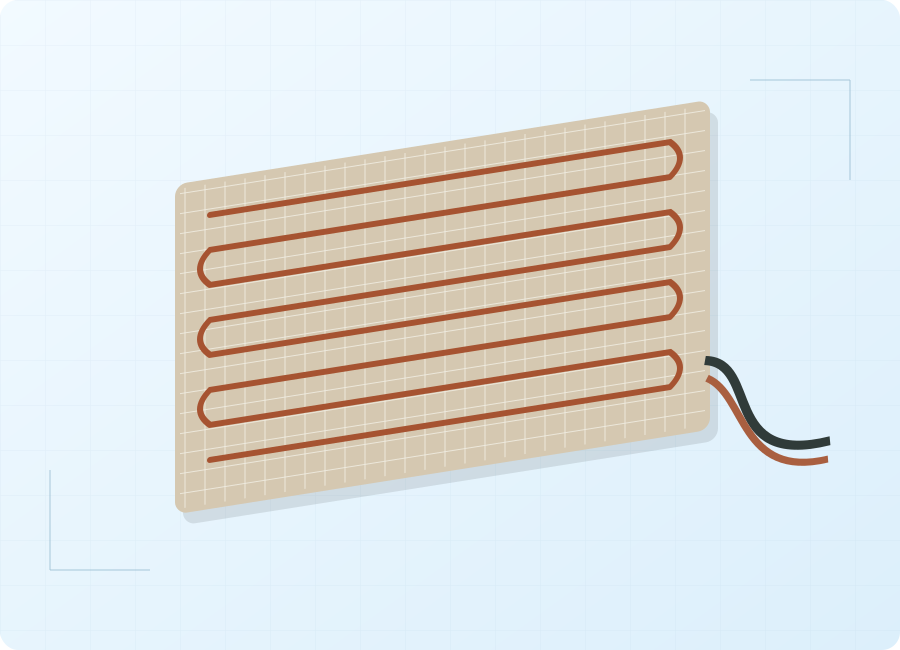
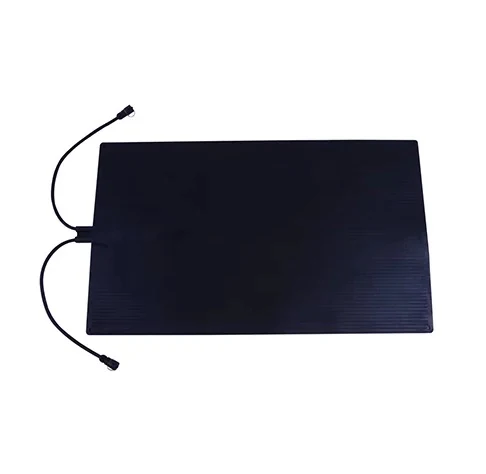
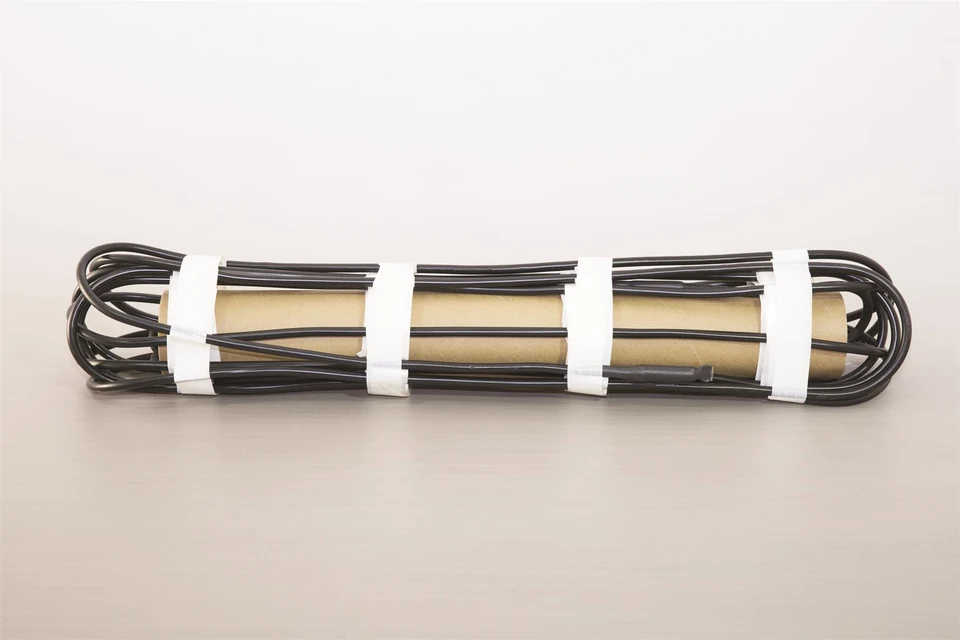
A ground thawing blanket is a removable flexible heater intended to transfer heat into frozen ground or a suitable cold surface.

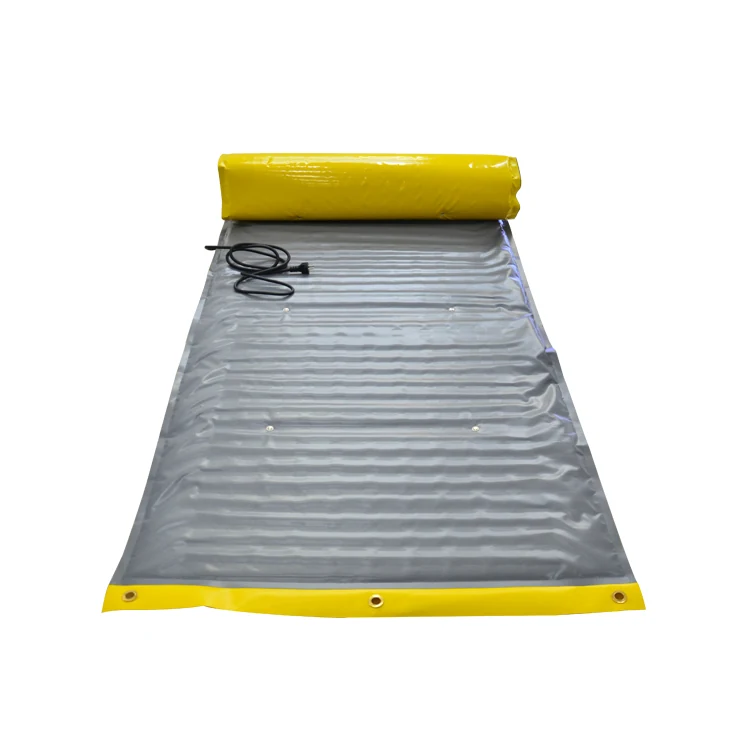
Partially unrolled ground-thawing blanket with yellow edges, metal eyelets, and a power cord.
Product reference. Construction and finish follow the agreed specification.

About Ground Thawing Blankets

A ground thawing blanket is a removable flexible heater intended to transfer heat into frozen ground or a suitable cold surface. The assembly combines a heating circuit, protective covering and insulation on the reverse face. Heat must move from the surface into the material beneath it, so thawing depth and time depend on more than nominal electrical power. Soil composition, moisture, initial temperature, wind and contact conditions all matter. The blanket is temporary heating equipment for a managed work zone. It is distinct from a rubber pedestrian snow mat and from heating cable embedded in curing concrete.

Its heated face works toward the surface while an insulated backing reduces heat loss in the opposite direction. Plan the area, ground condition and electrical supply together before selecting the blanket arrangement.

Product Configurations

Single-blanket work areas

For a localized patch that can be covered by one appropriately sized insulated blanket. Define the useful heated dimensions separately from the finished perimeter, and position the lead clear of the planned work.

Enquire about this configuration

Multiple-blanket work areas

For a larger or staged area served by several blankets. Discuss coverage, circuit allocation and the sequence of work. This arrangement requires a placement plan; it does not imply overlapping heaters or linking them through unapproved connectors.

Enquire about this configuration
Partially unrolled ground-thawing blanket with yellow edges, metal eyelets, and a power cord.

Customize for Your Application

Heated area and blanket layout

Discuss the useful footprint against the job drawing, including edges where heat can escape and areas that cannot be covered. For a staged project, map which sections need heating at the same time.

Electrical and control arrangement

Coordinate power demand, lead reach and the intended temperature feedback. Identify where the sensor measures the work surface and how that reading relates to the condition required below it.

Handling and surface contact

Review the cover, insulation arrangement and method of positioning the blanket against the actual site conditions. Allow for cleaning and inspection between uses, with leads protected from the tools and equipment used for the next task.

Technical Information to Specify

Share these details with your inquiry. Product ratings and operating limits are confirmed for the selected configuration.

What to specifyUnit / formatSelection guidance
Work area and useful coveragem² / mmProvide the area to be treated, access boundaries and the required heated dimensions.
Ground or surface materialmaterial descriptionIdentify soil, sand or other substrate, including moisture, debris and surface irregularity.
Frozen depth and starting conditionmm / °CState the estimated frozen depth and available temperature observations without assuming a uniform ground profile.
Required work conditiondepth / task / scheduleDescribe the condition needed for excavation or preparation and when that work is expected to begin.
Ambient exposure°C / site descriptionInclude expected cold conditions, wind exposure and any shelter around the heating area.
Electrical supplyV / Hz / AProvide supply capacity, outlet locations and the number of blankets that may operate simultaneously.
Blanket footprint and handlingmm / access constraintsIdentify available handling space, storage arrangements and any need to move between work zones.
Temperature measurement and controlsensor position / °CDefine the measurement locations, required control method and surface limits for adjacent materials.
Water and mechanical exposuresite descriptionDescribe runoff, standing water, sharp objects, equipment movement and the planned separation from traffic.
Work area and useful coverage
m² / mm

Provide the area to be treated, access boundaries and the required heated dimensions.

Ground or surface material
material description

Identify soil, sand or other substrate, including moisture, debris and surface irregularity.

Frozen depth and starting condition
mm / °C

State the estimated frozen depth and available temperature observations without assuming a uniform ground profile.

Required work condition
depth / task / schedule

Describe the condition needed for excavation or preparation and when that work is expected to begin.

Ambient exposure
°C / site description

Include expected cold conditions, wind exposure and any shelter around the heating area.

Electrical supply
V / Hz / A

Provide supply capacity, outlet locations and the number of blankets that may operate simultaneously.

Blanket footprint and handling
mm / access constraints

Identify available handling space, storage arrangements and any need to move between work zones.

Temperature measurement and control
sensor position / °C

Define the measurement locations, required control method and surface limits for adjacent materials.

Water and mechanical exposure
site description

Describe runoff, standing water, sharp objects, equipment movement and the planned separation from traffic.

Operating Limits to Check

  • Use as temporary heating equipment in a managed work area; pedestrian or vehicle loading is not established.
  • Do not energize a folded blanket, add unapproved covers or improvise overlapping operation.
  • Surface temperature alone does not verify thawing at depth, and outdoor use does not imply permission for immersion.

Typical Applications

Ground preparation before excavation

For heating a defined frozen area before digging can proceed. The site team should confirm the condition at the required working depth; a warm upper surface alone does not demonstrate that the ground below has thawed.

Frost removal before construction work

For suitable ground or surfaces requiring preparation before subsequent work. Define the acceptance condition for the next operation, and remove the blanket and leads before machinery enters the treated area.

Temporary surface frost protection

For a managed work zone needing continued heat between operations. Specify the material, weather exposure and monitoring period. Heating a ground surface does not establish suitability for warming a vessel or curing a different material.

How to Select the Right Configuration

Describe the outcome at working depth

Provide ground observations and the condition the next trade needs, rather than specifying only a blanket temperature. Separate the exposed surface area from the volume or depth that must become workable.

Match the layout to site power

Compare the required simultaneous coverage with the available circuits. If work will progress in stages, document that sequence so the blanket count and power demand reflect the site plan.

Plan verification and handling

Decide how the ground condition will be checked and who will remove the equipment before work begins. Keep the placement, inspection and storage procedure with the agreed blanket configuration.

Discuss Your Ground thawing blankets Requirement

Send your application details, drawing and planned quantity. We can review the configuration and the information needed for a quotation.

Frequently Asked Questions

There is no single depth that applies to every site. Initial ground temperature, water content, soil type, weather and blanket contact affect the result. Provide the required working depth and available site measurements. Where the schedule depends on thawing performance, assess it under representative conditions rather than relying on a general daily-depth claim.
Treat the heating zone as a controlled work area. Do not use a ground thawing blanket as a pedestrian mat, protective vehicle cover or load-bearing surface. Remove it before excavation equipment or vehicles enter. A product selected for walking routes belongs to a separate surface-mat design and requires its own assessment.
Do not improvise overlapping or folded operation. Those arrangements change heat dissipation and can create excessive local temperatures. Select a footprint suited to the available area and follow the approved placement instructions. Multiple blankets should be arranged using the agreed coverage and electrical plan.
They have different objectives and temperature requirements. Ground thawing prepares frozen material for work; concrete curing supports a defined concrete temperature and moisture-management procedure. A thawing blanket should not be placed on fresh concrete merely because it produces heat. Review the curing process and select equipment for that duty.
The backing is part of the heater's thermal design. Additional covers can change the temperature inside the assembly, so do not add them without a reviewed installation detail. Position the correct heated face toward the work surface, and address poor contact or wind exposure through the selected system's instructions.
Email a site sketch, ground conditions, target working depth, schedule and supply details to info@velheat.com. Include the number of simultaneous work areas and handling constraints. VELHEAT can discuss blanket coverage and control requirements; quantities, samples and commercial terms are agreed for the specific project.
Order quantities are agreed for each custom project. Contact VELHEAT with your intended configuration and planned quantity so these can be discussed together.
Technical references

These references explain heating principles. Confirm the ratings, approvals and operating limits of the proposed VELHEAT configuration in its own documentation.

  • Ground Thawing Heated Blankets

    General temporary ground-thawing and preconstruction frost-removal applications; no performance rates or proprietary ratings adopted.

  • Warning and Instruction Guide

    General distinction between work blankets and walking surfaces, correct heated-face orientation, inspection, folded-operation and additional-cover precautions; numerical test criteria not adopted.

  • Ground Thawing Blanket Specification Sheet

    Distinction between useful heated dimensions and overall finished dimensions; no listed model values adopted.

WhatsApp