VELHEAT

Heated Sampling Probes

A heated sampling probe is an extraction assembly that draws a sample from a process or flue-gas stream while managing temperature in the relevant sample path.

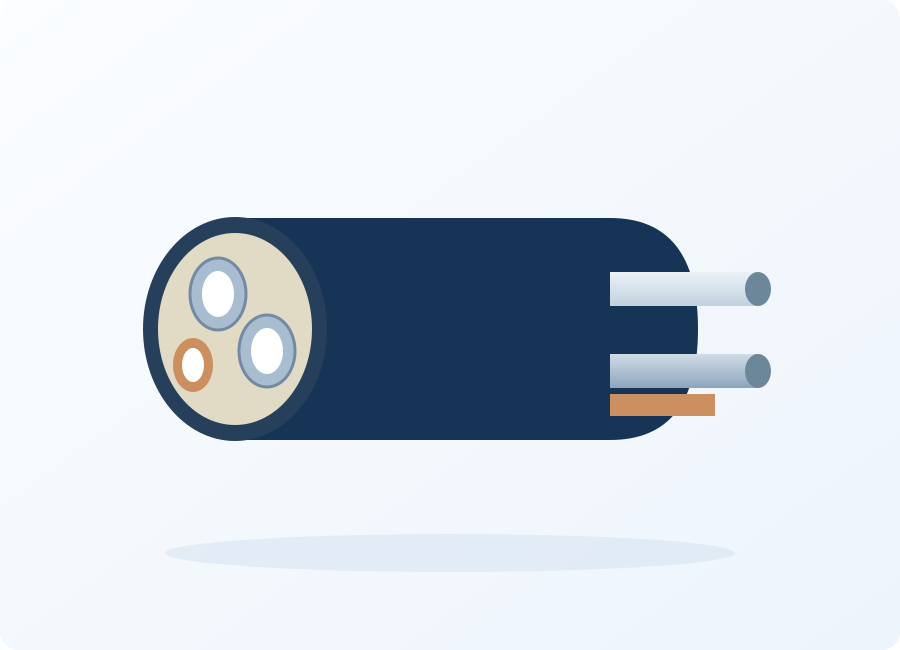
Heated Sampling Probes — conceptual product-form illustration
Product-form illustration. Final construction follows the agreed specification.

About Heated Sampling Probes

A heated sampling probe is an extraction assembly that draws a sample from a process or flue-gas stream while managing temperature in the relevant sample path. Its configuration may include a sampling tube, liner, heated section and a filtration arrangement selected for the measurement system. The probe's job differs from a heated sampling line, which transports the sample after extraction. Probe selection must consider the process temperature, sample chemistry, dust conditions, access and analytical method. Heating alone does not establish a representative sample or compliance with a testing method.

Gas conditions, insertion geometry and the measurement method determine the extraction assembly. Coordinate its sample-contact materials, temperature control and outlet connection with the heated line and downstream conditioning equipment.

Product Configurations

Heated flue-gas sampling probe

A heated extraction assembly for a defined flue-gas monitoring arrangement. Specify the insertion tube, process connection and outlet interface together with any filtration and maintenance requirements of the selected sampling method.

Enquire about this configuration
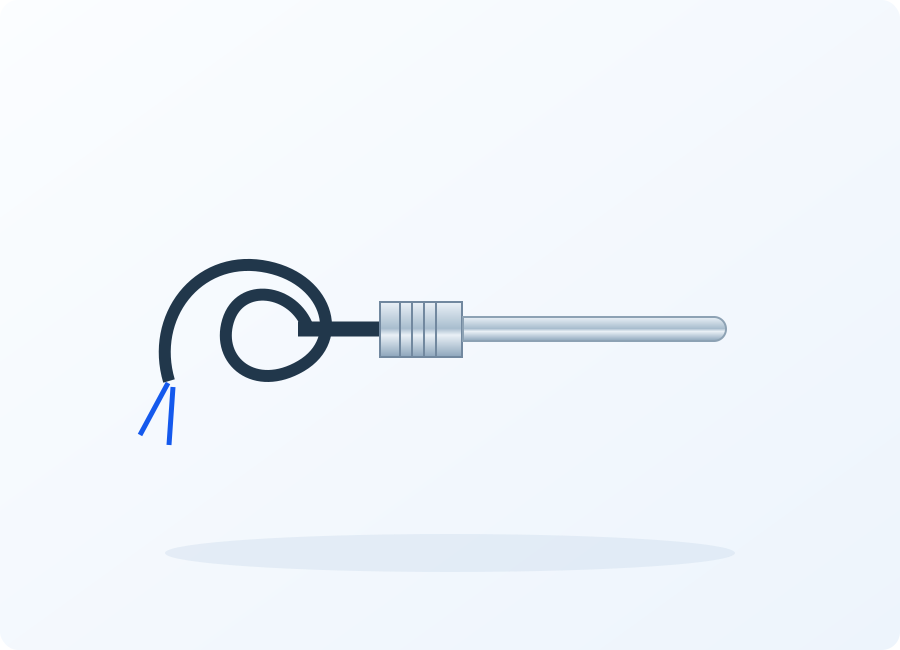
Heated Sampling Probes — conceptual product-form illustration

Customize for Your Application

Insertion and mounting

Use the sampling-point drawing to establish the effective reach, connection position and clearance needed to remove the assembly.

Sample-contact path

Discuss tube or liner materials, seals and fittings as a continuous wetted path rather than independent catalogue items.

Filtration interface

Define the required role and position of filtration with the analyzer method, including access for its specified maintenance.

Heating continuity

Coordinate heated sections and the outlet-to-line connection so the transition matches the temperature strategy of the complete system.

Technical Information to Specify

Share these details with your inquiry. Product ratings and operating limits are confirmed for the selected configuration.

What to specifyUnit / formatSelection guidance
Process and sample compositioncomposition / °CState gas temperature, target analytes, moisture, potentially corrosive components and relevant operating changes.
Extraction geometrymm / drawingDistinguish effective insertion length from overall length and provide the process connection and access dimensions.
Wetted materialsmaterialIdentify requirements for the tube, liner, seals and fittings based on sample compatibility and the analytical method.
Dust and filtrationloading / methodDescribe particle conditions and the filtration strategy, including whether collected material forms part of the measurement.
Pressure and flowkPa or bar / flow unitsProvide process pressure or vacuum and the flow requirements of the downstream sampling system.
Heating and control°C / VDefine the required heated sample-path condition, power supply, temperature feedback and control interface.
Outlet transitionconnection / drawingIdentify the heated-line interface and any section where heat loss or physical access needs special attention.
Service accessclearance / procedureProvide withdrawal space, platform access and the intended inspection or filter-maintenance arrangement.
Process and sample composition
composition / °C

State gas temperature, target analytes, moisture, potentially corrosive components and relevant operating changes.

Extraction geometry
mm / drawing

Distinguish effective insertion length from overall length and provide the process connection and access dimensions.

Wetted materials
material

Identify requirements for the tube, liner, seals and fittings based on sample compatibility and the analytical method.

Dust and filtration
loading / method

Describe particle conditions and the filtration strategy, including whether collected material forms part of the measurement.

Pressure and flow
kPa or bar / flow units

Provide process pressure or vacuum and the flow requirements of the downstream sampling system.

Heating and control
°C / V

Define the required heated sample-path condition, power supply, temperature feedback and control interface.

Outlet transition
connection / drawing

Identify the heated-line interface and any section where heat loss or physical access needs special attention.

Service access
clearance / procedure

Provide withdrawal space, platform access and the intended inspection or filter-maintenance arrangement.

Operating Limits to Check

  • Heating does not by itself establish representative extraction, particulate test compliance or analyzer accuracy.
  • Process gas temperature and the required controlled sample-path temperature are different specification fields.
  • A proposed filter or cleaning arrangement must be compatible with the analytical method.

Typical Applications

Flue-gas monitoring points

A heated extraction assembly can form the upstream end of a continuous gas-analysis system. Probe position and sample conditions must follow the monitoring system's design requirements.

Industrial process sampling

Probe selection for a process line or vessel depends on gas chemistry, pressure and access. The extraction assembly should be reviewed with the complete analyzer sampling arrangement.

Instrument integration and replacement

A replacement probe needs more than a matching flange. Compare effective length, wetted path, thermal duty and system connections before considering it equivalent to the original assembly.

How to Select the Right Configuration

Start with the measurement method

Identify what is being measured and how the sample will be conditioned. Establish the requirements for probe position, extraction, filtration and sample-contact materials before selecting hardware.

Map the mechanical interface

Document the port, required reach and available withdrawal space. Separate dimensions inside the process from the external enclosure and line-connection dimensions.

Review the heated path as a whole

Coordinate process exposure, probe heating and the line transition. Agree temperature feedback and readiness requirements with the system designer, including the effect of service or filter access.

Discuss Your Heated Sampling Probes Requirement

Send your application details, drawing and planned quantity. We can review the configuration and the information needed for a quotation.

Frequently Asked Questions

The probe interfaces with the process and extracts the sample. The heated line carries that sample toward the analyzer or conditioning equipment. They have different mechanical duties and temperature exposures, but their connection must support the same sample-handling strategy. Review both assemblies and their transition together.
No. A continuous gas-monitoring probe and a probe specified for a particular stack-testing method can have different extraction, filtration and component requirements. A product being heated does not establish method compliance. Identify the actual measurement method and request a configuration documented for that use.
Insertion length describes the reach into the process from the defined mounting reference. Overall length also includes external sections and connections. State the reference point on a drawing and show withdrawal clearance. Confusing these dimensions can place the sampling point incorrectly or make routine removal impractical.
The probe and line should support a consistent sample-handling strategy, but identical controller settings do not prove equal sample-path temperatures. Process exposure and local heat loss differ. Define the required sample condition with the analyzer method, then review heating and sensor positions for each assembly and their connection.
No. Where filtration forms part of the design, its maintenance depends on dust loading, filter construction and the operating method. Heating does not remove collected solids. Include service access and the specified cleaning or replacement procedure when selecting the probe; do not assume a maintenance interval from the heater rating.
Order quantities are agreed for each custom project. Contact VELHEAT with your intended configuration and planned quantity so these can be discussed together.
Technical references

These references explain heating principles. Confirm the ratings, approvals and operating limits of the proposed VELHEAT configuration in its own documentation.

  • CleanAir Method 5 Heated Sampling Probe

    Primary example showing method-specific probe configurations, liners and effective versus overall length; these options are not asserted as VELHEAT offerings.

WhatsApp