VELHEAT

Embedded Snow Melting Cables & Mats

An embedded snow melting system transfers heat through an outdoor pavement assembly to help melt snow within its design conditions.

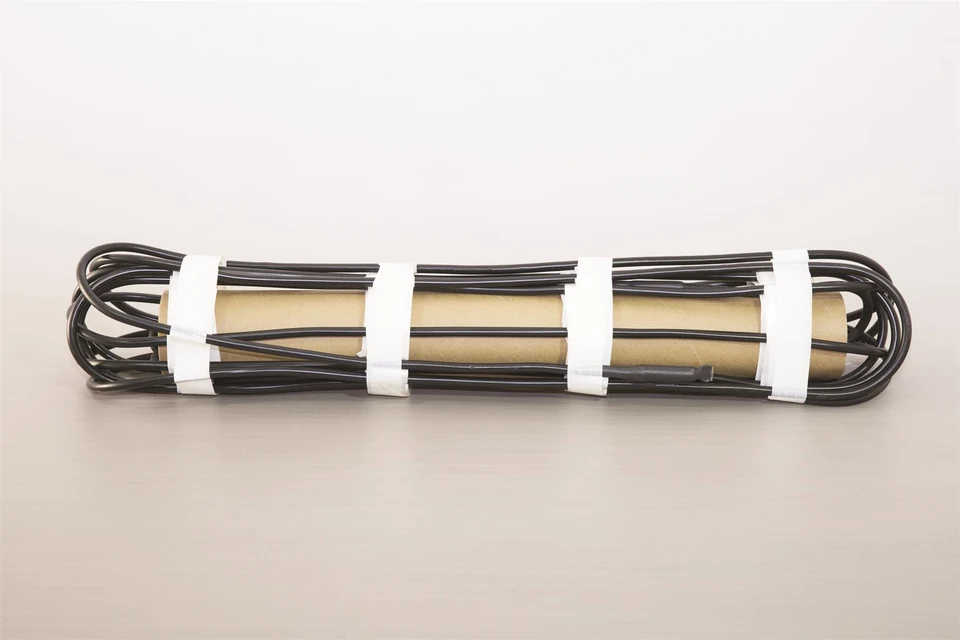
Black snow-melting cable bundled around a cardboard tube.
Product reference. Construction and finish follow the agreed specification.

About Embedded Snow Melting Cables & Mats

An embedded snow melting system transfers heat through an outdoor pavement assembly to help melt snow within its design conditions. Loose cable and mesh-backed mats require a layout that coordinates electrical circuits with pavement sections, joints and drainage. Surface material, exposure and heat loss affect the required output and response. These installed heaters differ from removable rubber walkway mats: they become part of the built surface and need protection throughout construction and later maintenance.

Define the heated area, winter conditions, surface build-up, available electrical supply and meltwater route before selecting the circuit layout.

Product Configurations

Loose snow melting cable

A cable layout can follow ramps, irregular boundaries and separate heated zones. The design should identify cable spacing, construction joints, fixed obstacles and the permitted pavement build-up before installation.

Enquire about this configuration

Mesh snow melting mat

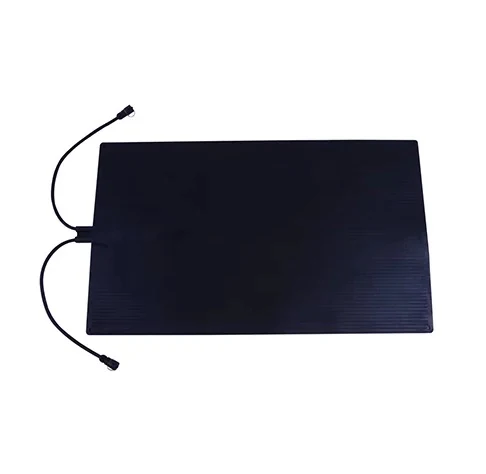
A heating cable arranged on mesh provides a defined layout for suitable open areas. Match the mat geometry to the usable heated footprint and coordinate changes of direction with the installation drawing.

Enquire about this configuration
Black snow-melting cable bundled around a cardboard tube.

Customize for Your Application

Coverage layout

Define full-area heating, a pedestrian route or another specifically bounded footprint, with separate drawings for steps and ramps.

Lead and connection locations

Coordinate cold leads and connection points with the building supply before pavement work limits access.

Operating zones

Discuss how different exposures, opening hours and electrical capacity affect the division of heated areas.

Mat fit and access

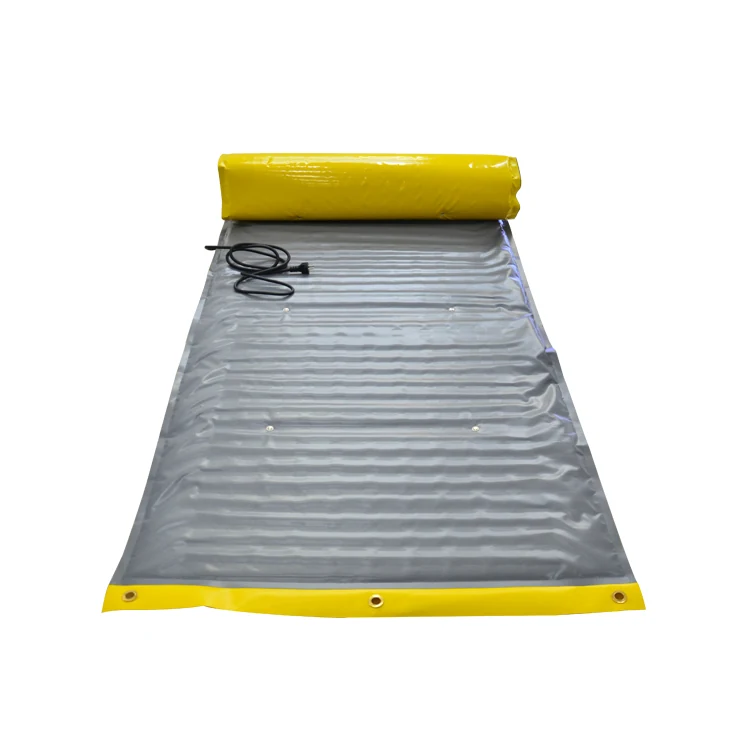
For removable mats, specify tread or walkway dimensions and how the installation will accommodate normal pedestrian movement.

Technical Information to Specify

Share these details with your inquiry. Product ratings and operating limits are confirmed for the selected configuration.

What to specifyUnit / formatSelection guidance
Heated surface and geometrym² / mmProvide a dimensioned plan separating ramps, walkways, stair treads and areas that must remain unheated.
Pavement assemblymmIdentify the finish, bedding or slab layers, insulation where specified, heater depth and construction method.
Winter design conditions°C / site dataState location, exposure, wind conditions and the required response during the design snowfall event.
Heating outputW/m / W/m²Select cable output and area loading together with spacing and thermal design; these are different measurements.
Electrical supplyV / Hz / phaseIdentify available supply, circuit capacity, distribution locations and any limits on simultaneous heating zones.
Control and sensing—Define automatic or manual operation, temperature and moisture sensing, operating zones and monitoring expectations.
Water runoffdrawingMark slopes, drains and the onward meltwater route, including any downstream section that can freeze.
Heated surface and geometry
m² / mm

Provide a dimensioned plan separating ramps, walkways, stair treads and areas that must remain unheated.

Pavement assembly
mm

Identify the finish, bedding or slab layers, insulation where specified, heater depth and construction method.

Winter design conditions
°C / site data

State location, exposure, wind conditions and the required response during the design snowfall event.

Heating output
W/m / W/m²

Select cable output and area loading together with spacing and thermal design; these are different measurements.

Electrical supply
V / Hz / phase

Identify available supply, circuit capacity, distribution locations and any limits on simultaneous heating zones.

Control and sensing
—

Define automatic or manual operation, temperature and moisture sensing, operating zones and monitoring expectations.

Water runoff
drawing

Mark slopes, drains and the onward meltwater route, including any downstream section that can freeze.

Operating Limits to Check

  • Vehicle loading, embedding and outdoor use require confirmation for the particular cable or mat construction.
  • A heated patch does not by itself protect the complete downstream drainage route.
  • Heating cables and mats must be protected from damage during pavement installation and subsequent works.

Typical Applications

Vehicle access ramps

Embedded heating can be planned into a ramp construction project. Its design must address traffic loading, pavement movement, water runoff and the intended winter operating conditions.

Building approaches

Heated walkways and entrance areas can support a winter access plan. Coordinate the heated route with doors, thresholds and the maintenance of adjacent untreated surfaces.

Outdoor stairways

Tread-specific surface heating addresses exposed stairs and landings. The specification should preserve usable tread area and account for transitions between heated and unheated sections.

How to Select the Right Configuration

Choose permanent or removable heating

Use the project stage to narrow the format. New pavement allows an embedded layout; an existing seasonal walkway may call for removable mats subject to their approved use.

Design heat and drainage together

Compare the required surface condition with the climate and construction. Identify where melted snow will travel before finalizing the heated footprint or electrical load.

Coordinate construction and commissioning

Agree the layout, controls and inspection points with the installer. Record heater checks around the pavement work and retain an as-built layout for later maintenance.

Discuss Your Embedded snow melting Requirement

Send your application details, drawing and planned quantity. We can review the configuration and the information needed for a quotation.

Frequently Asked Questions

No. They serve different environments and surface conditions. An outdoor snow melting specification must address weather exposure, pavement construction and the required melting duty. Indoor floor heating approval or a similar appearance does not establish outdoor suitability. Select a product assembly documented for the actual installation.
There is no single value suitable for every ramp or walkway. Climate, exposure, surface construction and the required response influence the design. Area loading also needs to match the cable spacing and available supply. Provide the site conditions and surface section so the electrical and thermal requirements can be assessed together.
Do not assume a heating cable can be shortened like an ordinary electrical lead. Permitted changes depend on its construction and circuit design. Plan the heated area before ordering and follow the final assembly instructions. Adjusting mesh placement must not damage or modify the heating element.
Performance is tied to the agreed design conditions, control settings and drainage. Adjacent untreated ground can still accumulate snow or ice, and an exceptional storm can exceed the design duty. Include the system in the site's winter maintenance plan and keep drainage paths clear.
Order quantities are agreed for each custom project. Contact VELHEAT with your intended configuration and planned quantity so these can be discussed together.
Technical references

These references explain heating principles. Confirm the ratings, approvals and operating limits of the proposed VELHEAT configuration in its own documentation.

WhatsApp