VELHEAT

Concrete Curing & Ground Heating

Concrete curing heating supplies heat during cold conditions to support the temperature and moisture conditions required by the curing plan.

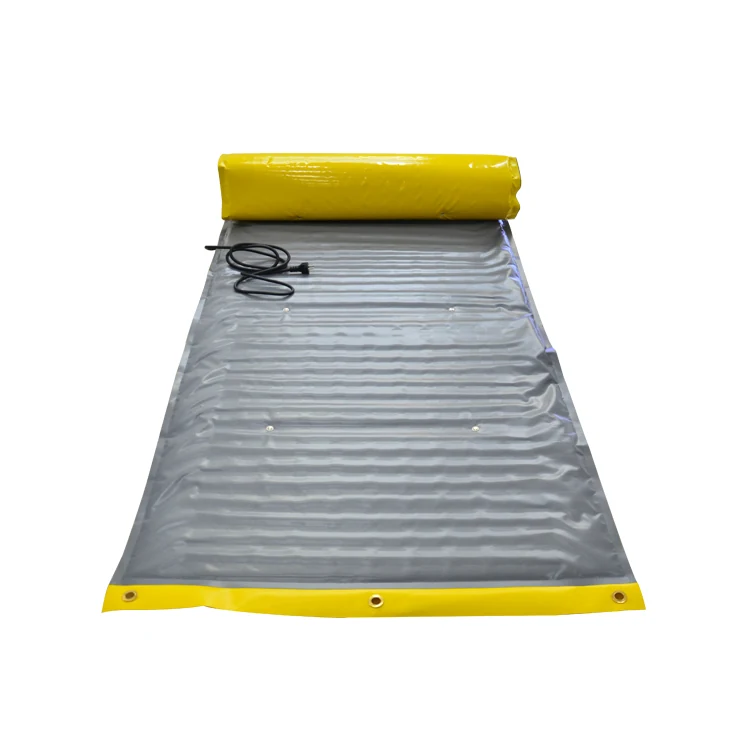
Concrete Curing & Ground Heating — conceptual product-form illustration
Product-form illustration. Final construction follows the agreed specification.

About Concrete Curing & Ground Heating

Concrete curing heating supplies heat during cold conditions to support the temperature and moisture conditions required by the curing plan. It is not simply a drying operation. An embedded cable is coordinated with the pour, protection and temperature measurement. Ground and soil-warming cables serve a separate thermal duty below the relevant surface and need a site-specific layout. Removable insulated heating blankets are covered in their own product page. The responsible concrete professional determines strength acceptance and when forms or protection can be removed.

Embedded curing cables and soil-warming layouts have different duties. Define the monitoring, insulation and operating plan before selecting a heater arrangement.

Product Configurations

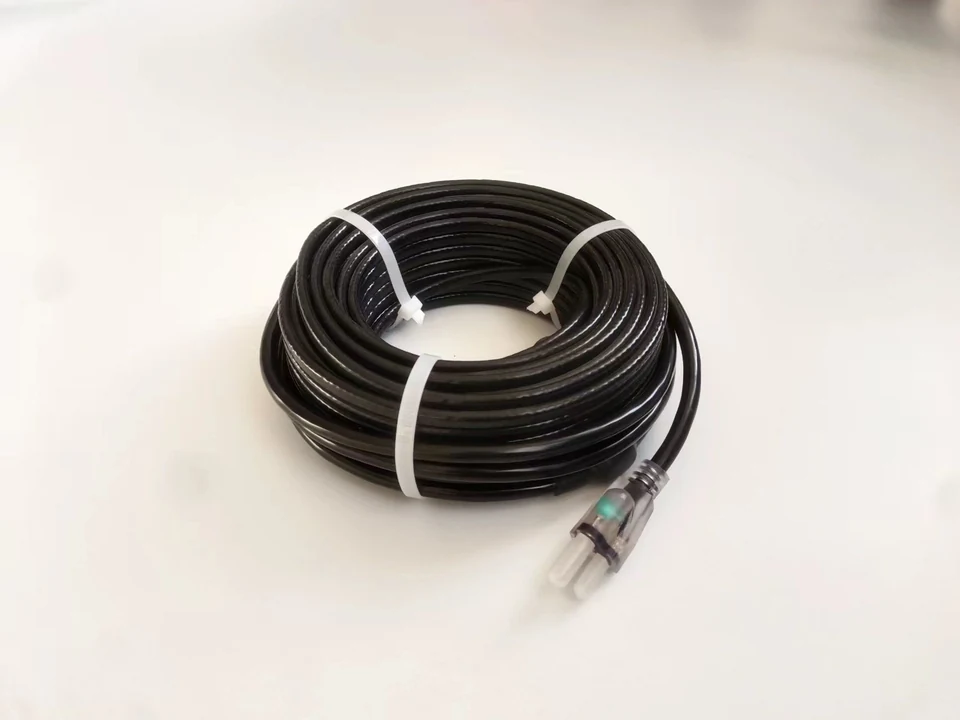
Embedded concrete curing cable

A cable arranged within the planned concrete work supports distributed heat input during curing. The design must be coordinated with reinforcement, placement operations, electrical routing and the required temperature measurement locations.

Enquire about this configuration

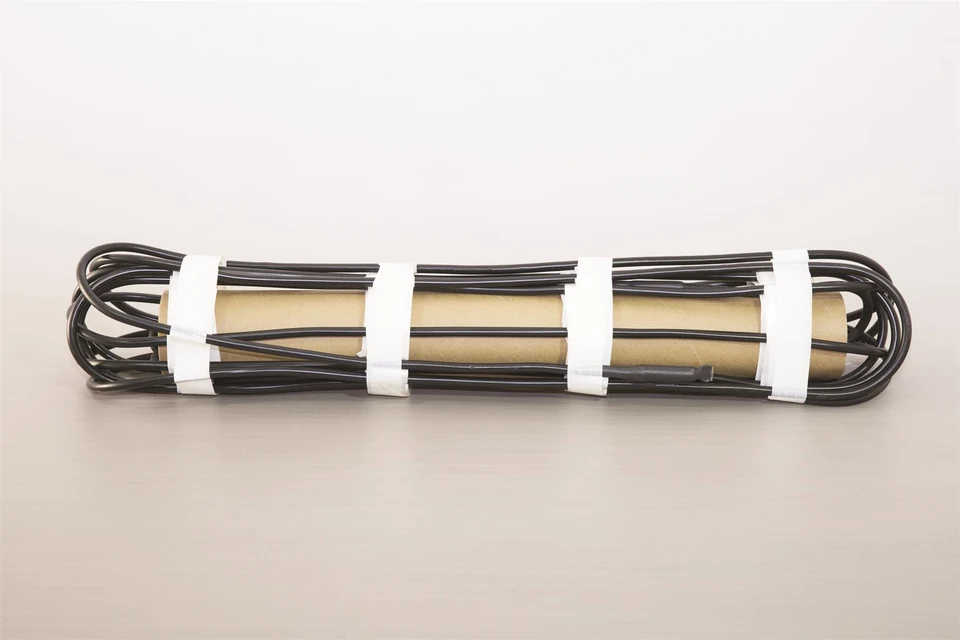
Soil warming cable

Agricultural soil warming uses a related heating principle but a distinct crop and growing-medium specification. Treat it as a separate application with its own temperature control and installation design.

Enquire about this configuration
Concrete Curing & Ground Heating — conceptual product-form illustration

Customize for Your Application

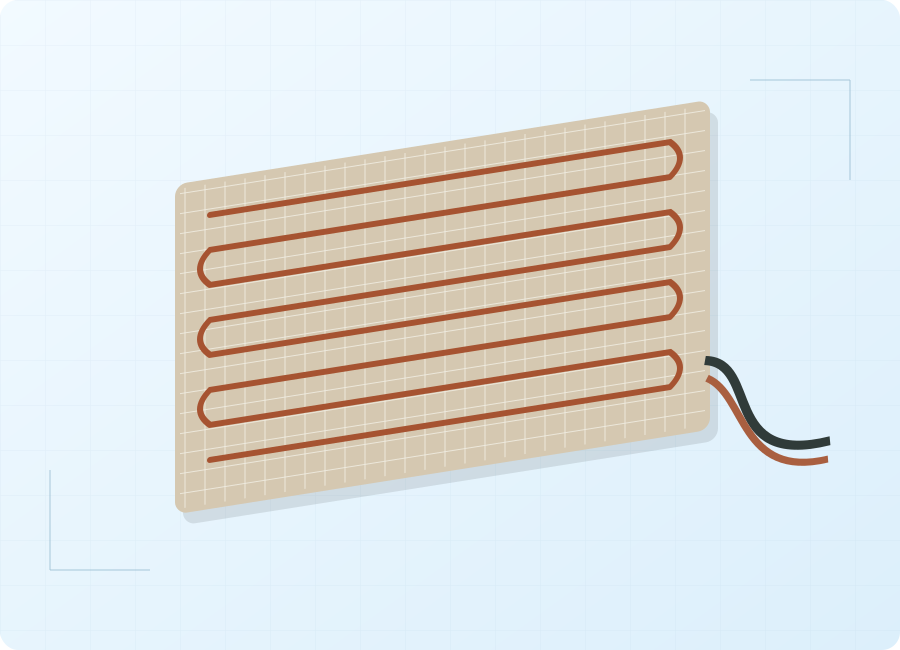
Element-specific layout

Use a slab, wall, beam or foundation drawing to coordinate heater positioning and protect it during concrete placement.

Circuit division

Discuss separate pours and exposure zones so the heating arrangement follows the actual construction sequence.

Temperature observation

Specify sensor locations and records needed by the project's curing and acceptance procedures.

Temporary blanket geometry

For ground work, identify handling, coverage and cable-access constraints separately from the concrete curing design.

Technical Information to Specify

Share these details with your inquiry. Product ratings and operating limits are confirmed for the selected configuration.

What to specifyUnit / formatSelection guidance
Concrete constructiondrawing / mmProvide the element dimensions, mix information, reinforcement layout and planned pour sequence.
Temperature protection plan°C / timeState the concrete temperatures and protection period specified by the responsible project professional.
Site conditions°C / exposureIdentify expected ambient conditions, wind exposure, enclosure and available insulation or protection.
Heating circuit layoutm / WDefine element routing, heated length, circuit division and total output against the thermal design.
Available electrical supplyV / Hz / phaseProvide the construction-site supply and the location and capacity of the intended distribution equipment.
Monitoring locationsdrawingIdentify representative and vulnerable areas, including exposed edges or temperature differences within the element.
Ground heating dutym² / depthFor blanket enquiries, state area, ground type, starting condition and the practical objective of warming.
Concrete construction
drawing / mm

Provide the element dimensions, mix information, reinforcement layout and planned pour sequence.

Temperature protection plan
°C / time

State the concrete temperatures and protection period specified by the responsible project professional.

Site conditions
°C / exposure

Identify expected ambient conditions, wind exposure, enclosure and available insulation or protection.

Heating circuit layout
m / W

Define element routing, heated length, circuit division and total output against the thermal design.

Available electrical supply
V / Hz / phase

Provide the construction-site supply and the location and capacity of the intended distribution equipment.

Monitoring locations
drawing

Identify representative and vulnerable areas, including exposed edges or temperature differences within the element.

Ground heating duty
m² / depth

For blanket enquiries, state area, ground type, starting condition and the practical objective of warming.

Operating Limits to Check

  • Electrical heating does not replace moisture protection or the concrete project's strength acceptance procedure.
  • Soil-heating depth, temperature and operating schedule depend on the application and cannot be inferred from cable length alone.
  • Embedded curing cables, soil-heating layouts and removable blankets have different installation and reuse provisions.

Typical Applications

Cold-weather concrete placement

Heating supports an agreed cold-weather curing plan for new concrete. Temperature management, moisture protection and construction supervision work together throughout the required protection period.

Local ground warming

Temporary surface heating can be considered where a defined ground area needs warming or thawing. Establish the ground condition and work objective before selecting blanket coverage.

Greenhouse soil warming

Soil heating is a separate agricultural option with temperature limits determined by the crop and growing medium. It requires a suitable cable assembly and independent control planning.

Greenhouse and growing-bed soil warming

For a defined soil-heating layout where ground temperature is part of the growing process. Review burial depth, moisture, mechanical protection, sensor location and the appropriate crop-temperature plan with the project designer.

How to Select the Right Configuration

Start with the curing requirement

Obtain the concrete temperature and protection requirements from the project team. Establish how the work will retain moisture and heat before assigning an electrical heating load.

Coordinate the construction drawing

Map the heater against reinforcement, pour boundaries and lead exits. Consider how placement operations will protect the heating element and preserve access to necessary connections.

Define verification and acceptance

Agree temperature records, checks and the project's strength assessment method. Heating duration alone does not establish concrete strength or authorize early removal of forms.

Discuss Your Concrete Curing Heating Requirement

Send your application details, drawing and planned quantity. We can review the configuration and the information needed for a quotation.

Frequently Asked Questions

Drying is not the objective of concrete curing. Cement hydration needs suitable temperature and moisture conditions. Heating should support the specified curing environment without causing excessive temperature or premature moisture loss. Any separate drying requirement for a later finish belongs in the construction programme and must follow the relevant material requirements.
No universal heating period establishes safe form removal. Concrete mix, geometry, temperature history and structural requirements influence the decision. The responsible project professional should apply the agreed strength acceptance method. A heater provides thermal input; it does not replace concrete testing, structural judgement or the approved construction procedure.
No. A removable blanket supplies heat from the surface, while an embedded curing cable has a different position and construction sequence. Their electrical assemblies and thermal duties also differ. Choose according to the task and verify permitted use rather than relying on similar product names or a shared heating principle.
Send the element drawing, mix and pour information, ambient design conditions, insulation plan and available power. Include the required temperature protection and monitoring arrangements. If these are being developed by a concrete specialist, coordinate the heater selection with that plan so the construction and electrical requirements remain consistent.
Order quantities are agreed for each custom project. Contact VELHEAT with your intended configuration and planned quantity so these can be discussed together.
Technical references

These references explain heating principles. Confirm the ratings, approvals and operating limits of the proposed VELHEAT configuration in its own documentation.

WhatsApp