VELHEAT

Electric Heating Rods & Bolt Heaters

Electric heating rods are elongated resistance-heating assemblies selected for a specific equipment interface and heat-transfer duty.

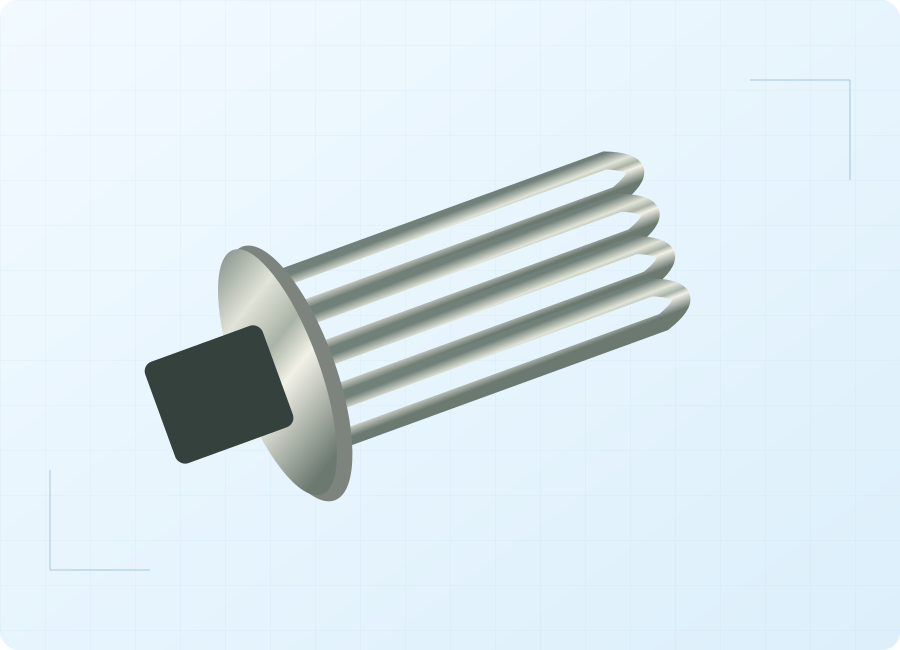
Electric Heating Rods & Bolt Heaters — conceptual product-form illustration
Product-form illustration. Final construction follows the agreed specification.

About Electric Heating Rods & Bolt Heaters

Electric heating rods are elongated resistance-heating assemblies selected for a specific equipment interface and heat-transfer duty. The name covers more than one construction and should not be treated as a synonym for cartridge heater. Turbine bolt heaters are a distinct application: a heater enters a suitable bolt bore to support a controlled thermal-expansion procedure. Rigid and flexible bolt-heater forms address different access conditions. Each requires a defined heated length, fit, power and control arrangement, with operation governed by the turbine or equipment manufacturer's maintenance procedure.

A general equipment heating element and a turbine bolt heater serve different purposes. Bore dimensions, heated length, access, electrical supply and the approved operating procedure determine the appropriate assembly.

Product Configurations

Equipment heating rod

A rod-shaped heating assembly matched to a defined equipment duty and interface. State the heating medium or contact arrangement, mounting and terminal conditions before selecting its construction or electrical output.

Enquire about this configuration

Rigid turbine bolt heater

A rigid element for a suitable straight bolt bore where the installation and withdrawal path allow access. Bore dimensions, heated region and handling clearance should be established from the maintenance drawing.

Enquire about this configuration

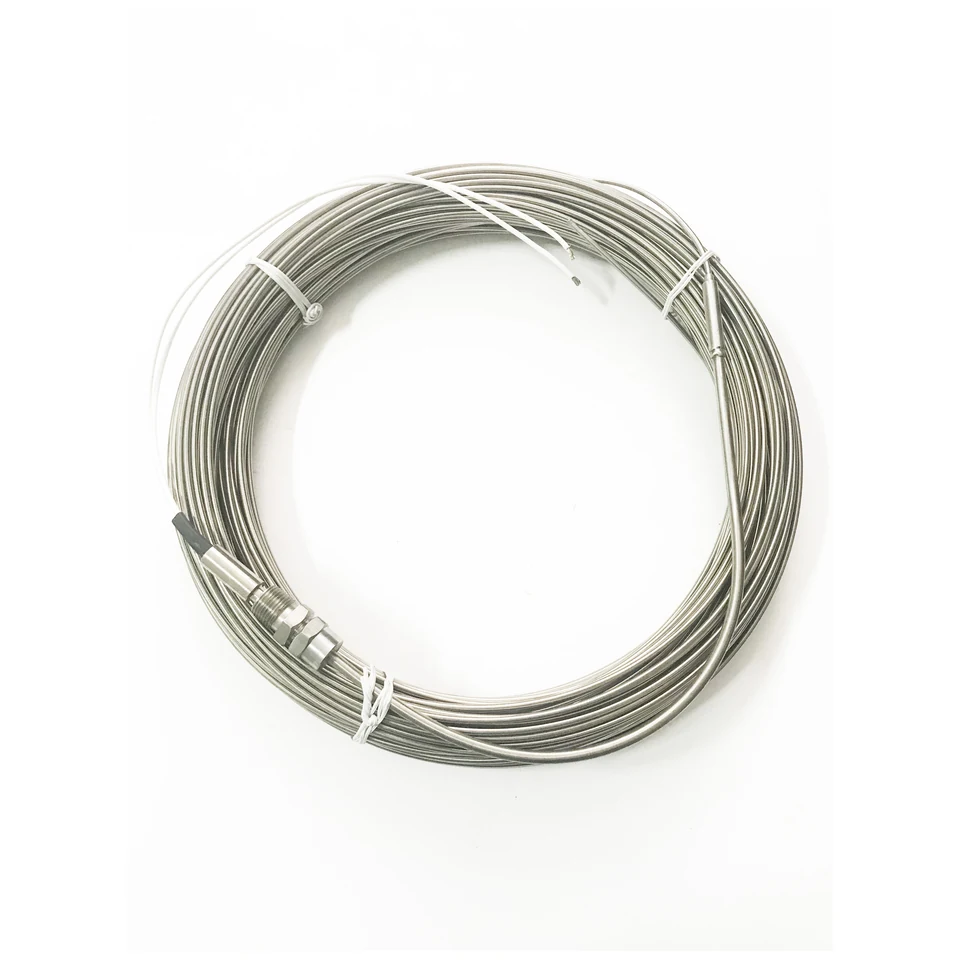
Flexible turbine bolt heater

A flexible construction can address a bolt-heating access requirement where a rigid form is unsuitable. Its permitted bending and insertion conditions remain specific to the finished heater and approved procedure.

Enquire about this configuration
Electric Heating Rods & Bolt Heaters — conceptual product-form illustration

Customize for Your Application

Geometry to drawing

Coordinate the outside diameter and active length with the actual mounting or bolt bore, including the required insertion reference.

Rigid or flexible access

Use the available approach and withdrawal space to review the heater form, rather than choosing flexibility from the product name alone.

Heated-zone placement

Define where heat is needed and where leads or fittings must remain outside the active region.

Controller compatibility

Match the heater electrical design and connections to the approved control equipment and operating procedure.

Technical Information to Specify

Share these details with your inquiry. Product ratings and operating limits are confirmed for the selected configuration.

What to specifyUnit / formatSelection guidance
Equipment and dutydrawing / procedureIdentify whether the request concerns process equipment heating or a turbine bolt maintenance task.
Bore or mounting dimensionsmmProvide diameter, depth, tolerances and the mounting reference; include obstructions and access limitations.
Heated and overall lengthsmmMark the active heating section, unheated sections and total envelope separately on the drawing.
Thermal requirement°C / dutyState the required equipment or bolt-heating condition and any limits imposed by the approved procedure.
Power and supplyW / V / phaseProvide the required electrical duty and available controller or distribution equipment for compatibility review.
Contact and environmentconditionsDescribe the intended heat-transfer path, surrounding medium and exposure affecting the sheath and connections.
Lead and handling arrangementmm / drawingDefine lead exit, connector, handling clearance and the route away from the heated working area.
Control and verificationmethod / signalsIdentify temperature or procedure monitoring and the acceptance records required by the equipment owner.
Equipment and duty
drawing / procedure

Identify whether the request concerns process equipment heating or a turbine bolt maintenance task.

Bore or mounting dimensions
mm

Provide diameter, depth, tolerances and the mounting reference; include obstructions and access limitations.

Heated and overall lengths
mm

Mark the active heating section, unheated sections and total envelope separately on the drawing.

Thermal requirement
°C / duty

State the required equipment or bolt-heating condition and any limits imposed by the approved procedure.

Power and supply
W / V / phase

Provide the required electrical duty and available controller or distribution equipment for compatibility review.

Contact and environment
conditions

Describe the intended heat-transfer path, surrounding medium and exposure affecting the sheath and connections.

Lead and handling arrangement
mm / drawing

Define lead exit, connector, handling clearance and the route away from the heated working area.

Control and verification
method / signals

Identify temperature or procedure monitoring and the acceptance records required by the equipment owner.

Operating Limits to Check

  • A rod's shape or sheath material does not establish cartridge, immersion or hazardous-location suitability.
  • Bolt heating requires the equipment owner's approved maintenance and acceptance procedure.
  • Heated length, overall length and insertion depth are separate dimensions that must be reconciled.

Typical Applications

Turbine maintenance bolt heating

A dedicated bolt heater supports an approved thermal-expansion maintenance operation. Selection depends on the specific bolt drawing, access and the turbine owner's procedure for that task.

Restricted-access bolt positions

A flexible heater form may be considered where the bolt bore and surrounding equipment limit access. Check permitted bending, insertion and removal against the actual maintenance arrangement.

Equipment heating assemblies

Rod-shaped elements serve defined industrial heating positions. The equipment's mounting, medium and thermal duty determine construction; a similar external diameter does not establish interchangeable service.

How to Select the Right Configuration

Identify the actual heater family

Clarify whether the task is bolt expansion, a fitted equipment element or another documented duty. Do not start by relabelling every cylindrical heater as a cartridge heater.

Provide a complete interface drawing

Include bore diameter and depth, heated region, overall clearance and lead route. For maintenance replacements, add the original heater identification and approved operating requirements.

Review the operating system

Coordinate the heater with its supply, controller and equipment procedure. Establish the inspection and acceptance requirements before considering a dimensional match a suitable replacement.

Discuss Your Heating Rods & Bolt Heaters Requirement

Send your application details, drawing and planned quantity. We can review the configuration and the information needed for a quotation.

Frequently Asked Questions

No. Rod-shaped appearance does not identify the internal construction or intended heat-transfer conditions. Cartridge heaters are one specific family, while turbine bolt heaters and other industrial rods can have different designs and operating requirements. Specify the task, interface and original part information before assigning a product type.
A flexible form can be considered when the maintenance arrangement limits the approach or withdrawal space for a rigid heater. Suitability still depends on the bolt bore, heated length and the permitted bending conditions of the heater. Flexibility does not authorize forcing the assembly through an unsuitable path.
The heater supplies thermal input for a controlled maintenance procedure. It does not independently determine the final bolt loading or verify the joint. The equipment manufacturer's instructions govern the heating, fastening and acceptance method, including the measurements required by that procedure. Heater operation should remain within that approved process.
Do not assume those duties are interchangeable. The surrounding medium and contact arrangement affect how heat leaves the element and therefore its operating temperature. A heater selected for one transfer condition needs a separate assessment before use in another. Identify the actual medium and installation condition in the enquiry.
Provide the bolt drawing, bore diameter and depth, required heated length, access constraints and existing heater identification. Include the electrical supply and controller details plus the equipment owner's approved procedure. These inputs help distinguish a true replacement from a part that merely looks similar or fits the bore.
Order quantities are agreed for each custom project. Contact VELHEAT with your intended configuration and planned quantity so these can be discussed together.
Technical references

These references explain heating principles. Confirm the ratings, approvals and operating limits of the proposed VELHEAT configuration in its own documentation.

WhatsApp