VELHEAT

Fiberglass Heating Tapes

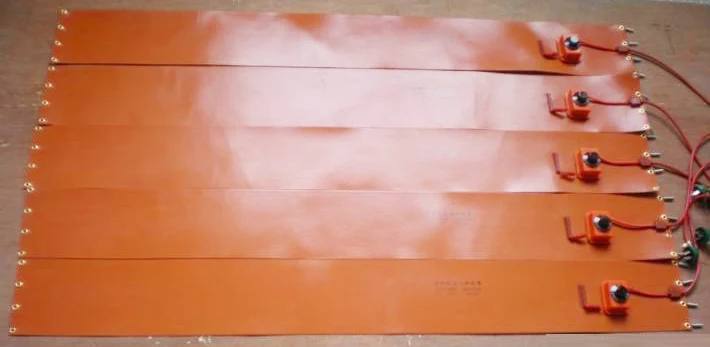
Fiberglass heating tape is an electrical resistance heater using a fiberglass-based insulating construction in a narrow, flexible form.

Fiberglass Heating Tapes — conceptual product-form illustration
Product-form illustration. Final construction follows the agreed specification.

About Fiberglass Heating Tapes

Fiberglass heating tape is an electrical resistance heater using a fiberglass-based insulating construction in a narrow, flexible form. It can follow suitable pipes, valves or equipment surfaces where a broad rigid heater is impractical. The tape is a heat source, distinct from non-heating fiberglass adhesive tape used for fastening. Its usable conditions depend on insulation construction, surface contact, leads and controls. Fiberglass textile is not, by itself, evidence of a waterproof assembly or hazardous-area approval, and flexibility does not authorize unrestricted overlap or sharp bending.

Specify the route, surface contact, electrical output and temperature-control arrangement together. The textile insulation and tape dimensions must suit the intended equipment; a temperature label alone does not define a complete installation.

Product Configurations

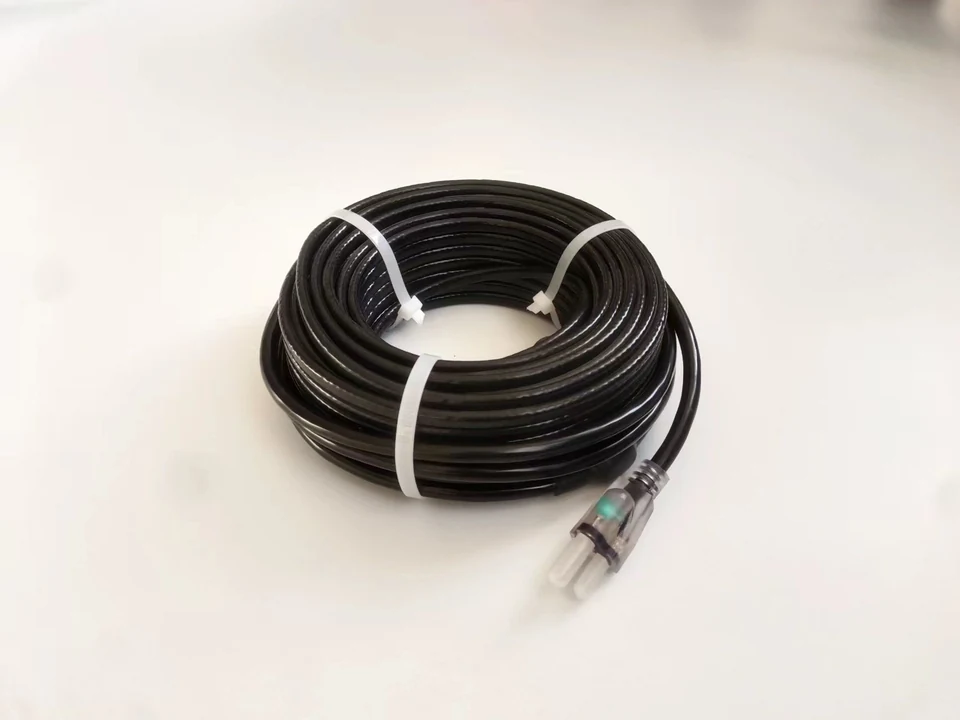
Fiberglass-insulated heating tape

A flexible resistance-heating tape for an engineered surface route. Define width, heated length, output and contact conditions as a matched assembly rather than treating all fiberglass tapes as the same product.

Enquire about this configuration
Fiberglass Heating Tapes — conceptual product-form illustration

Customize for Your Application

Route-specific length

Use the actual surface path to establish a finished heating length, allowing for the permitted routing and connection positions.

Width and heat distribution

Discuss how the available contact area affects tape width, spacing and the concentration of heat on the object.

Control interface

Specify the measurement point and controller interface as part of the equipment arrangement rather than as an unrelated accessory.

Lead protection

Identify transitions from the heated surface to cooler wiring areas and the physical protection needed during normal equipment use.

Technical Information to Specify

Share these details with your inquiry. Product ratings and operating limits are confirmed for the selected configuration.

What to specifyUnit / formatSelection guidance
Heated objectmaterial / drawingIdentify the pipe, valve or surface material, geometry and the exact region requiring heat.
Tape dimensionsmm / mSpecify width, finished heated length and any restrictions on the available routing space.
Temperature duty°CSeparate the required object temperature from heater exposure and any allowable limit for nearby components.
Power requirementW / W/mDefine the thermal task and assess output against contact, insulation and the permitted local loading.
Supply and connectionsV / HzProvide the electrical supply and intended connection arrangement, including lead length and exit position.
Mounting and routingdrawingShow bends, spacing, fixing locations and transitions so the finished arrangement avoids unintended hot spots.
Control and sensingsensor / locationDefine the controlled temperature and how overtemperature protection will relate to the heating surface.
Environment and insulationconditions / mmDescribe moisture, contamination, physical exposure and any planned insulation over the heated section.
Heated object
material / drawing

Identify the pipe, valve or surface material, geometry and the exact region requiring heat.

Tape dimensions
mm / m

Specify width, finished heated length and any restrictions on the available routing space.

Temperature duty
°C

Separate the required object temperature from heater exposure and any allowable limit for nearby components.

Power requirement
W / W/m

Define the thermal task and assess output against contact, insulation and the permitted local loading.

Supply and connections
V / Hz

Provide the electrical supply and intended connection arrangement, including lead length and exit position.

Mounting and routing
drawing

Show bends, spacing, fixing locations and transitions so the finished arrangement avoids unintended hot spots.

Control and sensing
sensor / location

Define the controlled temperature and how overtemperature protection will relate to the heating surface.

Environment and insulation
conditions / mm

Describe moisture, contamination, physical exposure and any planned insulation over the heated section.

Operating Limits to Check

  • Fiberglass insulation does not establish water resistance, grounding construction or hazardous-location suitability.
  • The temperature rating of the textile alone is not the operating limit of the complete heater.
  • Contact, spacing, routing and external insulation affect local temperature and require product-specific review.

Typical Applications

Local pipe sections

Tape heating can address a bounded pipe section where the surface route and thermal requirement are known. Include adjacent fittings and insulation transitions in the heating review.

Valves and irregular fittings

A flexible format can follow suitable equipment contours, subject to approved bend and contact conditions. Closely spaced surfaces make control and local heat concentration especially important.

Laboratory and pilot equipment

Localized heating can support an instrument or process development setup. The completed assembly should define operator access, temperature sensing and protection of nearby components before use.

How to Select the Right Configuration

Describe what must be heated

Provide the surface drawing, thermal mass and target condition. Distinguish temperature maintenance from a warm-up task, because the required output and control response may differ.

Review the contact route

Map the tape path and identify edges, bends and areas without support. Assess the combined effect of contact, spacing and any external insulation on local temperatures.

Specify the finished electrical assembly

Confirm output, supply, leads, sensing and protective arrangements together. Select construction and environmental suitability from the final product documentation, not from the fiberglass material name.

Discuss Your Fiberglass Heating Tapes Requirement

Send your application details, drawing and planned quantity. We can review the configuration and the information needed for a quotation.

Frequently Asked Questions

No. Heating tape contains an electrical resistance element and produces heat when used in its intended circuit. Fiberglass adhesive tape is a fastening or insulating accessory and is not itself a heater. State which item is required in procurement documents and identify the heater's electrical rating separately from any mounting accessory.
Not automatically. A woven or braided insulating construction must not be treated as a sealed water-resistant assembly. Leads and connections are also part of the exposure assessment. Describe the actual moisture or cleaning conditions and verify the particular heater assembly's permitted environment before selection.
Do not assume overlap is permitted. Crossing or stacking heating sections can concentrate heat and alter the intended temperature distribution. Use an approved route with the required contact and spacing for the particular product. If the geometry is too compact, review a different heater shape or a revised layout.
The control requirement must be established for the actual heater and heated object. A fiberglass insulation description does not mean the heater regulates its own temperature. Specify the desired surface or process condition, the sensing location and any separate limiting protection needed by the equipment design.
Only a construction explicitly designed and documented for that operation permits it. A finished resistance tape generally has a defined electrical design, and changing its length can change its behaviour or damage the insulation. Order against the required route and confirm all permitted modifications in the final assembly instructions.
Order quantities are agreed for each custom project. Contact VELHEAT with your intended configuration and planned quantity so these can be discussed together.
Technical references

These references explain heating principles. Confirm the ratings, approvals and operating limits of the proposed VELHEAT configuration in its own documentation.

WhatsApp