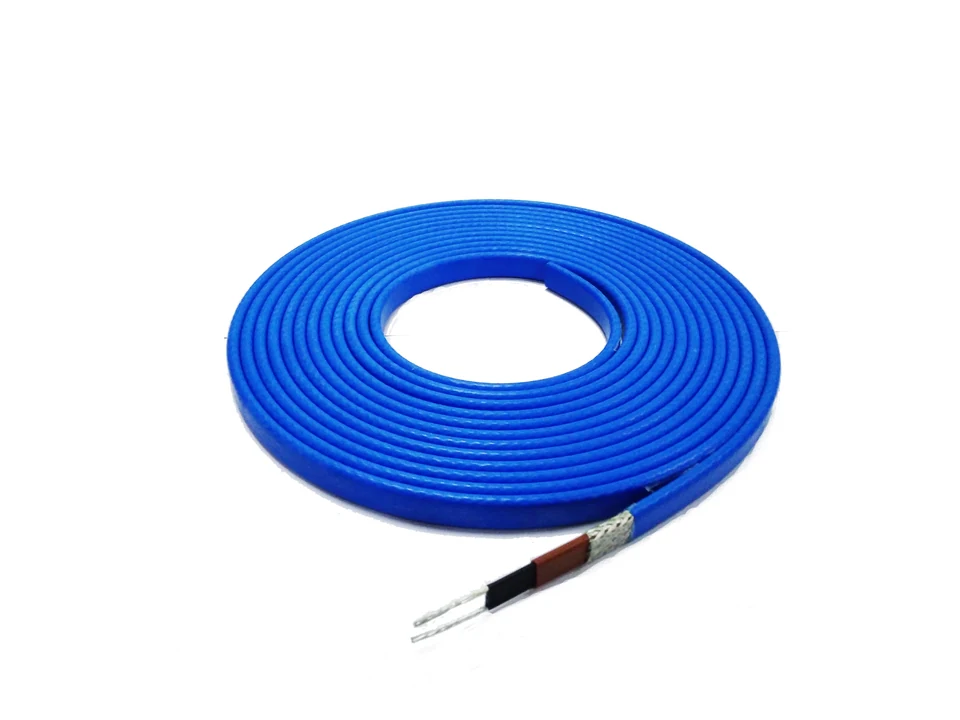
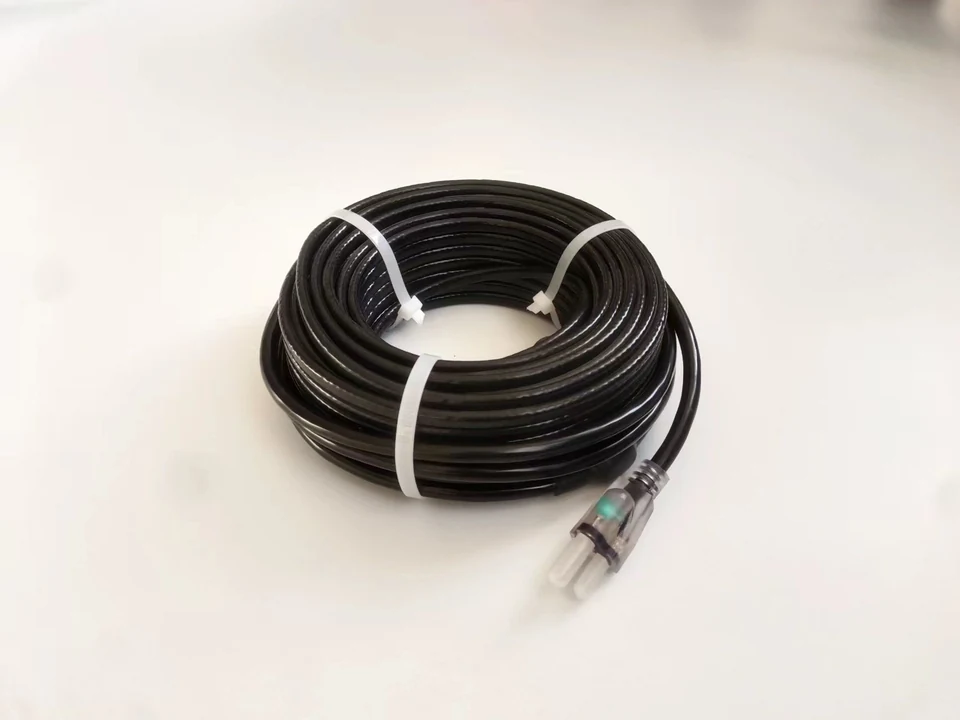
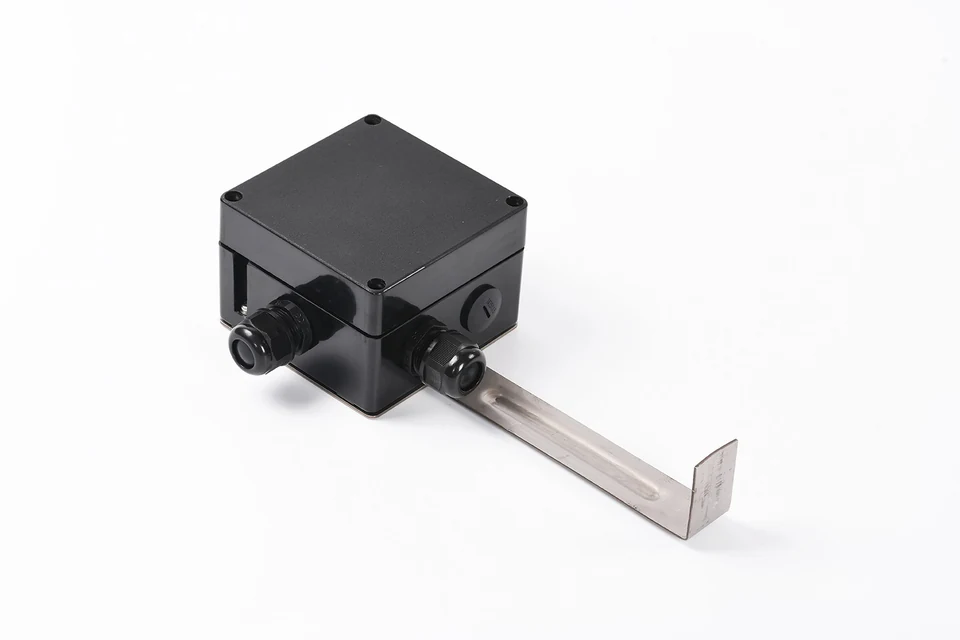
Aluminum adhesive tapes
For a specified cable or sensor attachment and heat-distribution detail. Review adhesive compatibility, surface material, coverage and installation conditions with the cable-system design.
Enquire about this configurationHeat-tracing installation accessories are the non-heating components used to position, support and identify a heating installation.
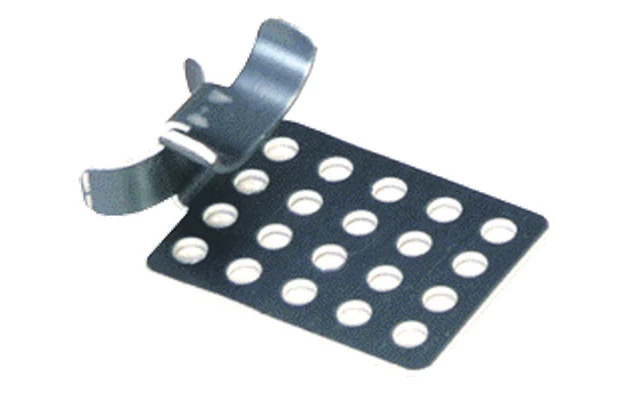
Heat-tracing installation accessories are the non-heating components used to position, support and identify a heating installation. Adhesive tapes can hold a cable or support a specified heat-transfer arrangement. Metal bands and brackets support suitable junction-box or stand assemblies. A compatible sealant may form part of a specified sealing detail, while warning labels identify electrical heating beneath insulation and cladding. These items should be chosen by their function and compatibility; one general-purpose fixing material cannot be assumed to perform every task.
Build the accessory list from the installation drawing and the selected cable system.
For a specified cable or sensor attachment and heat-distribution detail. Review adhesive compatibility, surface material, coverage and installation conditions with the cable-system design.
Enquire about this configurationFor holding the heating cable in the required position without damaging its jacket. Match the tape construction and adhesive to the surface, operating exposure and application temperature.
Enquire about this configurationFor securing compatible connection-box supports or mounting hardware to a pipe. Specify the supported assembly and pipe diameter; do not assume a metal band is suitable directly over a heating cable.
Enquire about this configurationFor positioning connection assemblies with the required insulation clearance and service access. Provide the box interface, support location and surrounding mechanical details.
Enquire about this configurationFor a documented detail that specifies an appropriate silicone adhesive or sealant. Confirm the substrate, cure requirements and compatibility with the connection components before selection.
Enquire about this configurationFor marking heat-traced pipework or equipment where insulation hides the cable. Define the wording, language, circuit reference and attachment surface for the project.
Enquire about this configurationLink each accessory to an installation detail and count it against the actual route. Separate cable-fixing items from connection-box supports so the purchasing list preserves their different functions.
Discuss the pipe material, coating and installation weather before selecting an adhesive. A material that tolerates normal service temperature may still have restrictions on cold-weather application or a particular metal surface.
Agree the visible warning text and circuit-reference format. Coordinate labels with the insulation cladding and maintenance documentation so the hidden heating circuit can be identified later.
Share these details with your inquiry. Product ratings and operating limits are confirmed for the selected configuration.
| What to specify | Unit / format | Selection guidance |
|---|---|---|
| Accessory function | installation detail | State whether the item fixes a cable, supports hardware, seals a specified interface or identifies the installation. |
| Cable and surface compatibility | material / construction | Provide the cable jacket and pipe or equipment surface, including coatings and any stainless-steel restrictions. |
| Service exposure | °C / environment | Include operating and maximum exposure temperatures, moisture, chemicals and outdoor conditions. |
| Application conditions | °C / surface condition | State the temperature and surface condition during installation, not only during normal operation. |
| Tape size and coverage | mm / m / detail | Specify width, required length and the designed fixing or continuous-coverage arrangement. |
| Band and support dimensions | mm | Provide pipe diameter, support geometry, insulation thickness and the supported component. |
| Sealant application | substrate / cure condition | Identify the approved sealing detail, substrate materials, cure conditions and required compatibility evidence. |
| Label specification | text / size / quantity | Define language, circuit identifiers, visibility, attachment surface and project marking requirements. |
| Installation quantity | drawing / bill of materials | Calculate quantities from routing, fixing details, connection locations and project spare requirements. |
State whether the item fixes a cable, supports hardware, seals a specified interface or identifies the installation.
Provide the cable jacket and pipe or equipment surface, including coatings and any stainless-steel restrictions.
Include operating and maximum exposure temperatures, moisture, chemicals and outdoor conditions.
State the temperature and surface condition during installation, not only during normal operation.
Specify width, required length and the designed fixing or continuous-coverage arrangement.
Provide pipe diameter, support geometry, insulation thickness and the supported component.
Identify the approved sealing detail, substrate materials, cure conditions and required compatibility evidence.
Define language, circuit identifiers, visibility, attachment surface and project marking requirements.
Calculate quantities from routing, fixing details, connection locations and project spare requirements.
For holding the selected cable in its designed position and providing specified tape coverage. Include cable spacing, surface material and insulation construction in the installation detail.
For securing suitable stands or backplates above the insulation. Review pipe size, mechanical support and maintenance access alongside the selected connection assembly.
For specified sealing details, identification and matching replacement accessories. Use the original system requirements to select replacements rather than substituting materials by appearance.
Separate cable fixing, heat-distribution details, mechanical support, sealing and identification. Use the cable and connection instructions to establish which item belongs at each location.
Review adhesive application temperature, surface cleanliness and material compatibility alongside operating exposure. Include insulation thickness when selecting supports and stand-off dimensions.
Create the list from the approved route and mounting details. Record the material specification with the installation documents so maintenance replacements preserve the required compatibility.
Send your application details, drawing and planned quantity. We can review the configuration and the information needed for a quotation.
These references explain heating principles. Confirm the ratings, approvals and operating limits of the proposed VELHEAT configuration in its own documentation.
General distinction between fixing tapes, material compatibility and application temperatures; no third-party accessory ratings adopted.
General separation of tape attachment details and visible warning labels; no spacing or material specification adopted as universal.