VELHEAT

Heated Hoses

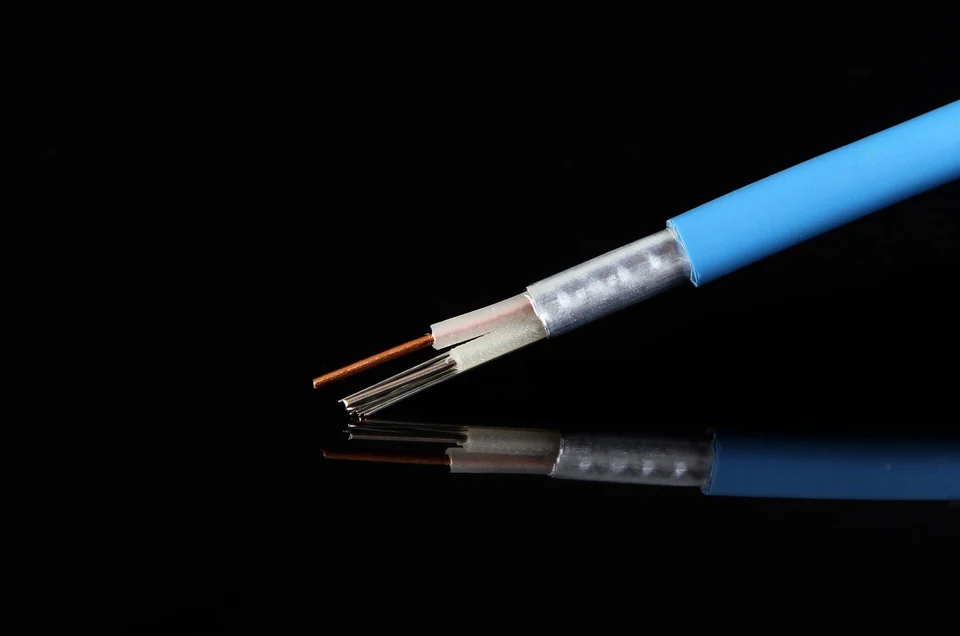
A freeze-protection heated water hose combines a water-carrying hose, electric heating, temperature control and a protective outer construction.

Heated Hoses — conceptual product-form illustration
Product-form illustration. Final construction follows the agreed specification.

About Heated Hoses

A freeze-protection heated water hose combines a water-carrying hose, electric heating, temperature control and a protective outer construction. It keeps a suitable water connection usable within documented cold-weather conditions. It is not a domestic hot-water heater, and heating does not make an ordinary hose suitable for drinking water. The bore, fittings, contact materials and power lead must match the service. Protection of adjoining taps, filters and inlets requires separate assessment.

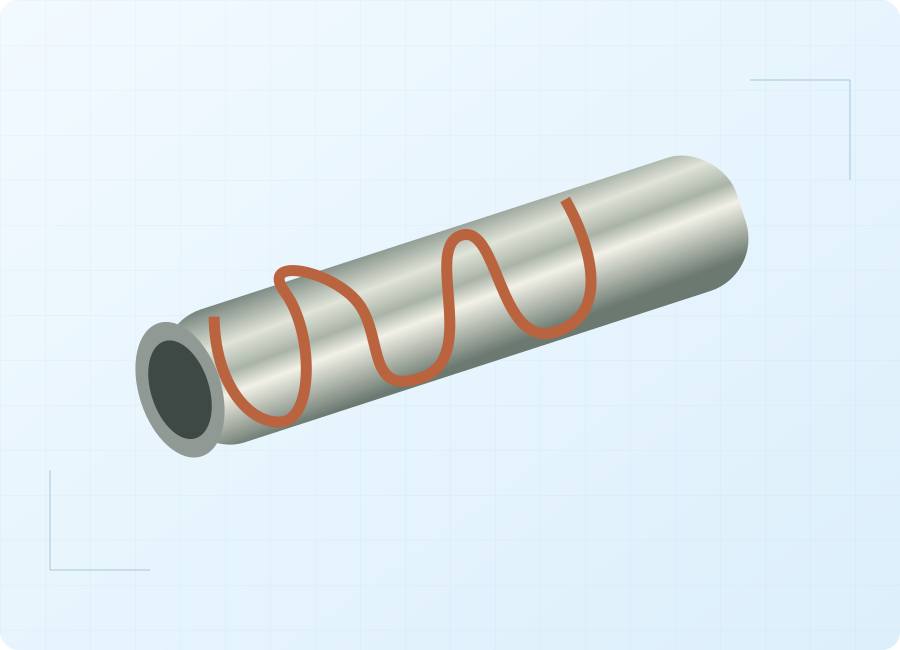
Integrated electric heating helps prevent water inside the hose from freezing. Select the complete assembly around the route, winter conditions, water service and available power.

Product Configurations

Thermostat-controlled water hoses

A temperature-sensitive control switches the heating according to its surroundings. The assembly layout must let the sensor respond to the relevant cold conditions, rather than a warmer sheltered location.

Enquire about this configuration

Removable-sleeve constructions

Some water-hose designs use an opening protective sleeve around the hose and heater. Identify which parts are serviceable and the approved replacement method; an accessible sleeve does not authorize arbitrary electrical modifications.

Enquire about this configuration

End-adapter connection arrangements

A suitable adapter arrangement can help coordinate water connections with the position of the power supply. Confirm the thread standard, sealing method and permitted orientation for the actual assembly.

Enquire about this configuration
Heated Hoses — conceptual product-form illustration

Customize for Your Application

Length and connection package

Specify length, end fittings and permitted adapters together. Distinguish included assembly components from site accessories needing separate selection.

Water-contact construction

Identify water use first. For drinking-water enquiries, request evidence covering the actual liner, fittings, seals and assembly offered.

Protective sleeve and servicing

Describe abrasion and handling, including any opening-sleeve requirement. Agree serviceable components and the approved method of replacement.

Destination-market package

Specify supply, plug, instructions and required documentation. Order quantity is discussed against the agreed custom specification and packaging requirements.

Technical Information to Specify

Share these details with your inquiry. Product ratings and operating limits are confirmed for the selected configuration.

What to specifyUnit / formatSelection guidance
Water servicepotable or non-potableIdentify drinking, animal-watering or utility use and the evidence required for the complete water-contact assembly.
Required hose lengthm; ftMeasure the connection route, including suitable slack and bends. Choose a finished length without relying on field shortening.
Hose bore and flowmm; in; L/minProvide internal diameter and flow demand. Check adapters and downstream equipment for restrictions as well as the hose.
Winter environment°C; locationDescribe the lowest ambient temperature, exposure, shelter and stationary-water periods. Assess performance against the stated operating conditions.
Water pressure and temperaturebar; psi; °CSupply working pressure, foreseeable peaks and incoming-water temperature. Confirm consistent suitability of the hose, fittings and seals.
Fittings and adaptersthread standard; sizeIdentify both connections and any regulator, filter or backflow device. Show which components remain exposed to freezing.
Supply and lead reachV; m; plug formatState the supply, plug requirements and distance to a suitable protected outlet. Verify the complete outdoor assembly.
Control and seasonal usesensor position; dutyShow thermostat exposure and describe use, inspection and storage. Include intermittent operation and periods when power is disconnected.
Water service
potable or non-potable

Identify drinking, animal-watering or utility use and the evidence required for the complete water-contact assembly.

Required hose length
m; ft

Measure the connection route, including suitable slack and bends. Choose a finished length without relying on field shortening.

Hose bore and flow
mm; in; L/min

Provide internal diameter and flow demand. Check adapters and downstream equipment for restrictions as well as the hose.

Winter environment
°C; location

Describe the lowest ambient temperature, exposure, shelter and stationary-water periods. Assess performance against the stated operating conditions.

Water pressure and temperature
bar; psi; °C

Supply working pressure, foreseeable peaks and incoming-water temperature. Confirm consistent suitability of the hose, fittings and seals.

Fittings and adapters
thread standard; size

Identify both connections and any regulator, filter or backflow device. Show which components remain exposed to freezing.

Supply and lead reach
V; m; plug format

State the supply, plug requirements and distance to a suitable protected outlet. Verify the complete outdoor assembly.

Control and seasonal use
sensor position; duty

Show thermostat exposure and describe use, inspection and storage. Include intermittent operation and periods when power is disconnected.

Operating Limits to Check

  • Do not cut, splice or modify a finished heated hose unless the particular assembly documentation expressly permits the specified work.
  • Freeze protection relies on power availability, suitable sensor exposure and use within the documented conditions; it does not protect every connected component.
  • Drinking-water contact, hot-water service, immersion and industrial media use must not be inferred from the heated-hose label.

Typical Applications

RV and campsite water connections

Protect a suitable flexible supply between the site water point and an RV inlet during cold-weather use. Check the exposed tap, any filter and the vehicle inlet separately.

Farm and animal-watering supplies

Maintain a suitable water connection for livestock or kennel services where winter exposure interrupts supply. Water-contact requirements and protection from physical damage remain part of the selection.

Seasonal outdoor water services

Consider a heated hose for a compatible temporary or seasonal water route. Match the assembly to the actual water duty, available electrical supply and documented operating conditions.

How to Select the Right Configuration

Map the whole water connection

Measure the route and identify every tap, adapter, regulator, filter and inlet. Record which sections are exposed; a heated hose cannot be assumed to protect connected equipment beyond its defined heating coverage.

Confirm the complete assembly requirements

Provide water use, pressure, bore, length and winter conditions together. For potable service, make verified drinking-water suitability a procurement requirement rather than inferring it from colour, appearance or a generic hose description.

Plan control, inspection and storage

Review sensor exposure and power access against the selected assembly instructions. Include seasonal inspection and the documented draining and storage procedure so the hose is not treated as an ordinary unheated garden hose.

Discuss Your Heated Water Hoses Requirement

Send your application details, drawing and planned quantity. We can review the configuration and the information needed for a quotation.

Frequently Asked Questions

A freeze-protection hose is intended to prevent freezing within its specified conditions. That is different from heating a flowing cold supply to a desired hot-water temperature. If the application requires warm or hot water, define that duty separately and confirm the hose's permitted incoming-water temperature.
No. Electrical heating and drinking-water compatibility are separate requirements. For potable service, verify the documentation for the offered assembly and its water-contact materials, including fittings and seals. A certificate belonging to another supplier or a different hose construction does not establish suitability of the selected product.
An ambient-sensing thermostat responds to the conditions where its sensor is located. If that location is warmer than an exposed part of the hose, heating may not operate when that section needs protection. Follow the selected assembly's positioning instructions and account for sheltered or heated spaces along the route.
Do not assume protection extends beyond the heated assembly. Taps, regulators, filters, adapters and equipment inlets may remain vulnerable to freezing. Survey the complete water route and make separate provision for exposed components using suitable products and their instructions; extending hose heating informally is not a complete design.
No. A water freeze-protection hose is selected for water service and cold-weather operation. Heated hoses for adhesives, resins or other process media require different fluid compatibility, temperature, pressure and control assessments. A water-hose specification cannot be used to establish suitability for those industrial transfer applications.
Order quantities are agreed for each custom project. Contact VELHEAT with your intended configuration and planned quantity so these can be discussed together.
Technical references

These references explain heating principles. Confirm the ratings, approvals and operating limits of the proposed VELHEAT configuration in its own documentation.

WhatsApp