VELHEAT

Silicon Carbide Infrared Panels

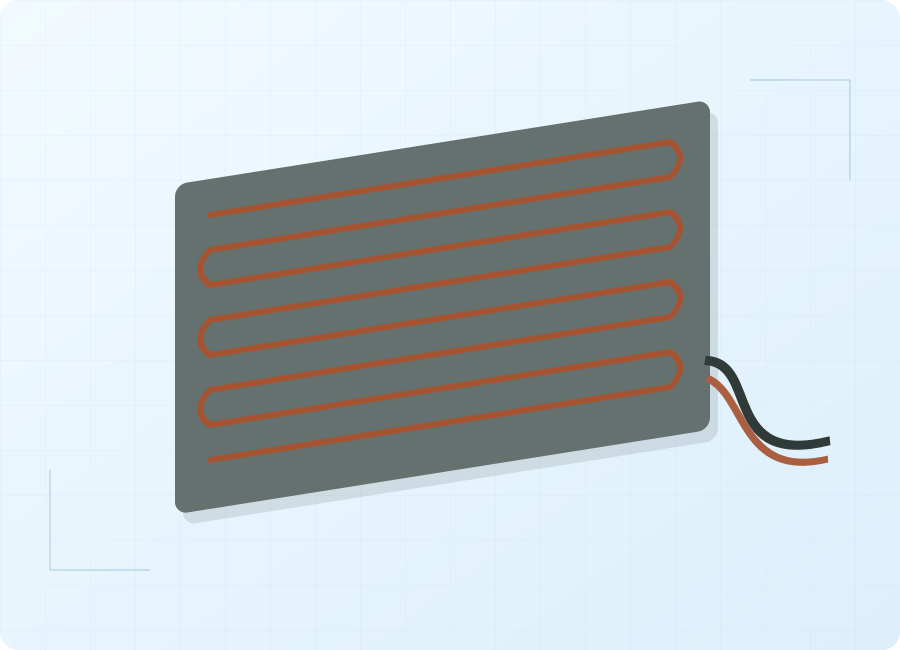
The silicon carbide infrared panel in this product family is a radiating panel assembly with a resistance-heating element, a silicon carbide emitting face, insulation, a supporting frame and electrical connections.

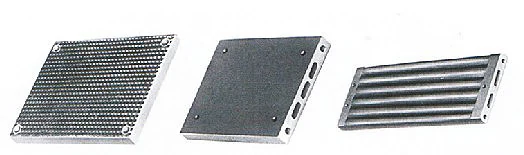
Silicon Carbide Infrared Panels — conceptual product-form illustration
Product-form illustration. Final construction follows the agreed specification.
Three heating panel assemblies with grid, flat, and tubular surfaces.

About Silicon Carbide Infrared Panels

The silicon carbide infrared panel in this product family is a radiating panel assembly with a resistance-heating element, a silicon carbide emitting face, insulation, a supporting frame and electrical connections. Its purpose is to transfer heat toward a target through thermal radiation. It is a different construction from a furnace heating rod made from electrically resistive silicon carbide. For a panel application, the workpiece's surface properties, geometry and movement determine how emitted energy is absorbed. Panel temperature alone therefore cannot establish the workpiece temperature or the resulting process quality.

Select the panel arrangement around the material, exposure time and required temperature profile. Useful heating depends on the complete relationship between the emitter and the workpiece, including distance, coverage and absorption.

Product Configurations

Single-panel heating positions

For evaluating a defined target area or heating station. Specify the workpiece dimensions and required temperature pattern, with enough mounting information to assess exposure across the complete target surface.

Enquire about this configuration

Panel arrays

For a larger radiant heating field assembled from multiple panels. Discuss panel spacing, edge coverage and the division of electrical zones before assigning a total installed power.

Enquire about this configuration

Process-zone panel arrangements

For staged exposure along a process path. Describe product movement and dwell time so the panel positions and control zones can be reviewed against the required heating sequence.

Enquire about this configuration
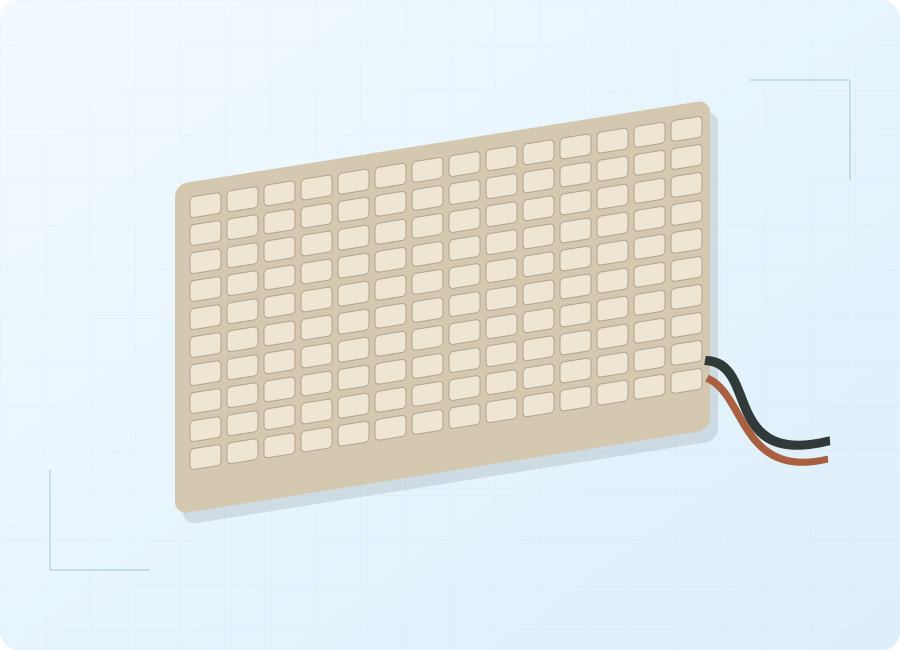
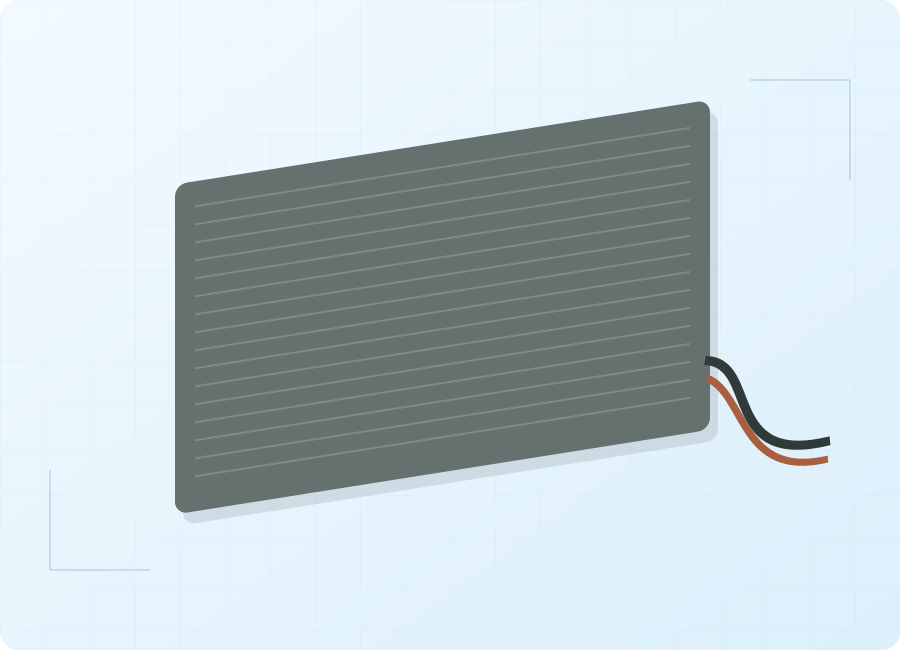
Silicon Carbide Infrared Panels — conceptual product-form illustration

Customize for Your Application

Radiant-field layout

Discuss panel position and coverage using the real workpiece outline. Pay particular attention to edges, fixtures and recessed regions that can receive a different exposure from an open central surface.

Mounting and access

Review support details, thermal expansion allowances and access to connections. The machine layout should allow inspection of the panel face and removal of the assembly.

Control zones

Divide the heating field according to process needs rather than merely equal electrical loads. Identify where separate regulation or measurements are useful across the width or along the travel direction.

Sample evaluation

Define a representative material sample and measurable acceptance criteria before a trial. Record its surface condition, spacing and exposure time so the result can inform the production arrangement.

Technical Information to Specify

Share these details with your inquiry. Product ratings and operating limits are confirmed for the selected configuration.

What to specifyUnit / formatSelection guidance
Target material and surfacematerial / finishIdentify composition, thickness, color, coating and any changes in surface condition during heating.
Required process temperature°CState the target temperature profile and allowable variation at the workpiece, separate from emitter temperature.
Exposure and movements / min / m/minProvide dwell time, conveyor speed or batch sequence and the maximum stationary exposure condition.
Radiating areammShow the active target area, panel envelope and any shadows caused by fixtures or component geometry.
Panel-to-target arrangementmm / orientationProvide available spacing, angle, mounting positions and the surrounding enclosure layout.
Electrical inputV / W / phaseDefine supply and the power allowance per zone, with the intended method of regulating heat.
Temperature measurementsensor / locationSpecify where the process temperature is measured and how the emitter and target will be monitored.
Process atmosphereprocess descriptionIdentify airflow, vapors, dust, splashes and contamination that could affect the emitting face or enclosure.
Target material and surface
material / finish

Identify composition, thickness, color, coating and any changes in surface condition during heating.

Required process temperature
°C

State the target temperature profile and allowable variation at the workpiece, separate from emitter temperature.

Exposure and movement
s / min / m/min

Provide dwell time, conveyor speed or batch sequence and the maximum stationary exposure condition.

Radiating area
mm

Show the active target area, panel envelope and any shadows caused by fixtures or component geometry.

Panel-to-target arrangement
mm / orientation

Provide available spacing, angle, mounting positions and the surrounding enclosure layout.

Electrical input
V / W / phase

Define supply and the power allowance per zone, with the intended method of regulating heat.

Temperature measurement
sensor / location

Specify where the process temperature is measured and how the emitter and target will be monitored.

Process atmosphere
process description

Identify airflow, vapors, dust, splashes and contamination that could affect the emitting face or enclosure.

Operating Limits to Check

  • The emitter temperature, radiant output and target temperature are different quantities.
  • A panel assembly must not be substituted for a silicon carbide furnace rod on material name alone.
  • Material absorption, geometry and process conditions require evaluation; no universal efficiency or drying-rate claim applies.

Typical Applications

Radiant drying stages

For suitable materials requiring radiant heat as part of a drying process. Specify the material, moisture or solvent route and ventilation design; the panel alone does not define drying capacity.

Surface heating before processing

For bringing an exposed surface toward a process condition. Evaluate the actual material and its thickness, because the surface response and through-thickness temperature can differ during a short exposure.

Enclosed radiant heating zones

For machinery with a defined heating field around a workpiece. Supply enclosure and fixture drawings so exposure, access, monitoring and surrounding equipment temperatures can be considered together.

How to Select the Right Configuration

Describe the target outcome

State the temperature profile or process result required on the material, including uniformity and timing. Identify the measurement method so a trial result can be judged against the actual production objective.

Evaluate a representative arrangement

Review absorption, exposure and geometry using the real material or a suitable sample. Keep panel position and process conditions recorded; a result from one spacing cannot simply be transferred to another machine.

Plan production control

Define temperature feedback, zone regulation and the response to a stopped process. Check the protection of adjacent components and the process-specific requirements for ventilation and access.

Discuss Your SiC infrared panels Requirement

Send your application details, drawing and planned quantity. We can review the configuration and the information needed for a quotation.

Frequently Asked Questions

No. This page concerns a panel assembly with an emitting face and a separate resistance-heating arrangement. A silicon carbide furnace rod is a different element construction with its own electrical and installation requirements. Use a drawing or clear product photograph to establish the required form before comparing ratings or prices.
It changes the emitted radiation, but the useful result still depends on material absorption, geometry and exposure time. Excessive surface heating may also be incompatible with the process. Specify the target temperature pattern and evaluate a representative sample instead of choosing a panel from its temperature figure alone.
There is no universal distance for every panel and target. Spacing affects coverage and heat distribution, while fixtures and product shape can create shaded regions. Provide the available envelope and uniformity requirement, then assess the arrangement through design review and a suitable process trial.
A meaningful comparison needs the same product throughput and quality, with total process energy measured under equivalent conditions. Panel input alone does not capture ventilation, standby time or other equipment. Define a baseline and test method before assigning an energy claim to a complete installation.
Order quantities are agreed for each custom project. Contact VELHEAT with your intended configuration and planned quantity so these can be discussed together.
Technical references

These references explain heating principles. Confirm the ratings, approvals and operating limits of the proposed VELHEAT configuration in its own documentation.

  • Infrared Heating FAQ

    General infrared selection principles: material absorption, target spacing and the use of representative trials. No Ceramicx material or rating attributed to this SiC panel.

WhatsApp