Steam-traced instrument bundles
A separate tracer carries steam beside the process tube. Define the steam supply, condensate connection and required process temperature together.
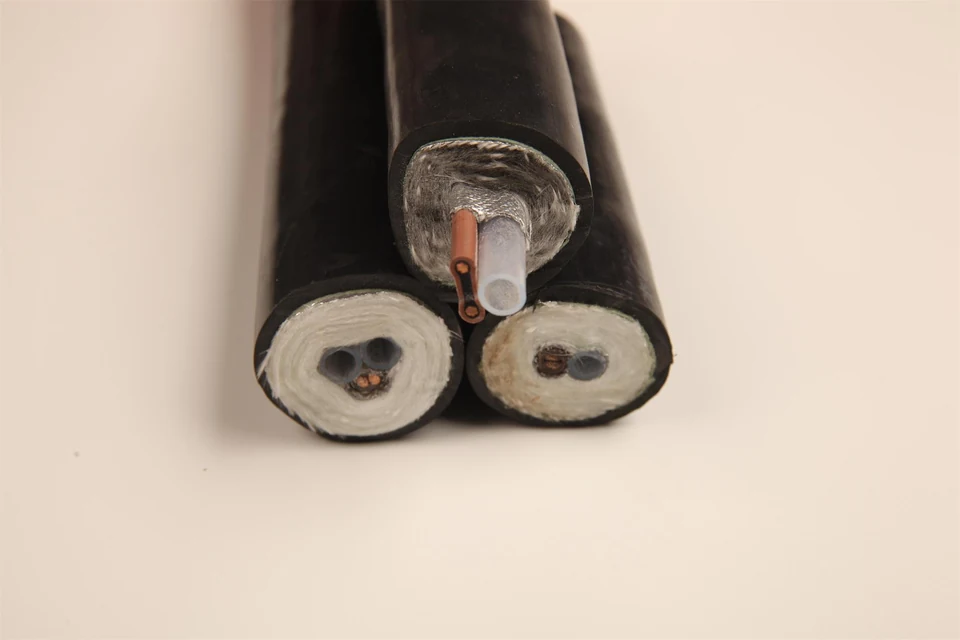
Enquire about this configurationA steam-traced tubing bundle contains a process tube and a separate tube carrying the heating medium, enclosed within insulation and an outer jacket.
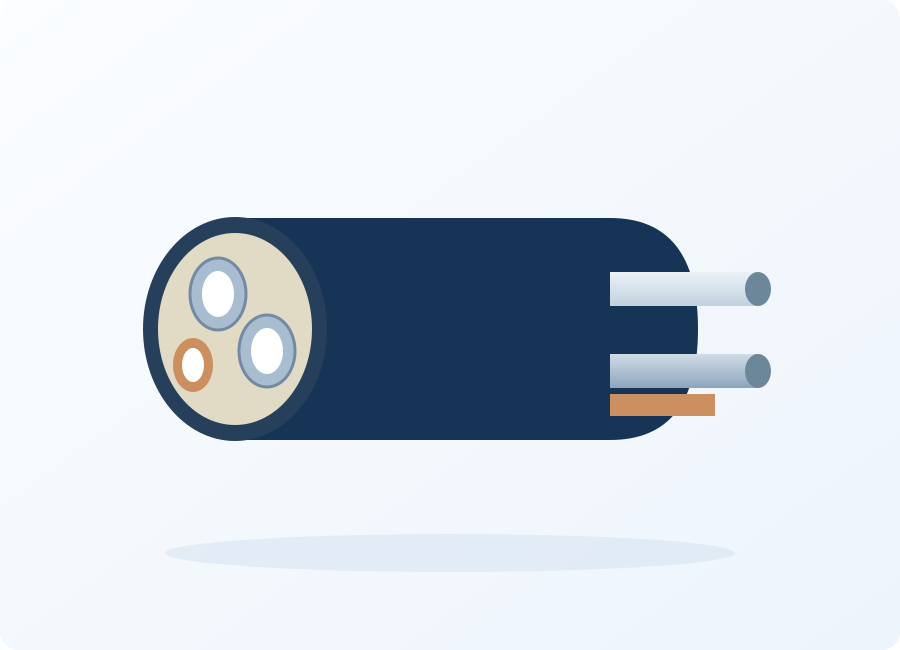
A steam-traced tubing bundle contains a process tube and a separate tube carrying the heating medium, enclosed within insulation and an outer jacket. Heat passes between the paths without mixing their fluids. The separated-tracer arrangement considered here limits direct thermal contact. An electrically heated sampling line instead generates heat with a resistance cable. Passive pre-insulated tubing has no active tracer and only reduces heat loss from the transported fluid.
Give VELHEAT the process duty, heating-utility conditions and connections at both ends.
A separate tracer carries steam beside the process tube. Define the steam supply, condensate connection and required process temperature together.
Enquire about this configurationA separate tracer carries hot liquid. Specify composition, supply temperature, circulation and return connection. Review materials and pressure separately for the utility and process paths.
Enquire about this configurationDiscuss each tube material against the fluid it actually carries. A material acceptable for the steam or hot-fluid tracer may not meet the sample's compatibility or cleanliness requirements.
Define the required separation between tracer and process tube as part of the bundle construction. Evaluate the process temperature against heating-utility conditions and insulation; do not equate steam supply temperature with maintained sample temperature.
Coordinate process connections, tracer supply and return, insulation termination and outer-jacket seals. Reserve accessible space for these interfaces and identify any exposed tubing that requires additional thermal treatment.
Share these details with your inquiry. Product ratings and operating limits are confirmed for the selected configuration.
| What to specify | Unit / format | Selection guidance |
|---|---|---|
| Process medium | composition / phase | Describe the sample or process fluid, its contaminants and any condensation, freezing or crystallization concern. |
| Required process temperature | °C | State the minimum required temperature and the maximum the sample, tubing or connected instrument can tolerate. |
| Process-tube construction | count / mm / material | Define the tube count, outside diameter, wall thickness and material requirements for the process channels. |
| Process pressure | bar | Provide normal and design pressure separately from the pressure in the heating-utility tube. |
| Heating-utility conditions | °C / bar | Identify steam or hot liquid and state the available supply conditions and their expected variation. |
| Utility return arrangement | type / location | For steam, define the condensate and return interfaces; for hot liquid, define the circulation and return circuit. |
| Route and exposure | m / °C | Show length, elevations, bends, supports, ambient conditions and the connections at each end. |
| Insulation and jacket | mm / material | Describe thermal insulation requirements and exposure to weather, washdown, chemicals or mechanical damage. |
| Termination and monitoring | connection / signal | Identify process fittings, tracer fittings, jacket seals and any required temperature indication or utility monitoring. |
Describe the sample or process fluid, its contaminants and any condensation, freezing or crystallization concern.
State the minimum required temperature and the maximum the sample, tubing or connected instrument can tolerate.
Define the tube count, outside diameter, wall thickness and material requirements for the process channels.
Provide normal and design pressure separately from the pressure in the heating-utility tube.
Identify steam or hot liquid and state the available supply conditions and their expected variation.
For steam, define the condensate and return interfaces; for hot liquid, define the circulation and return circuit.
Show length, elevations, bends, supports, ambient conditions and the connections at each end.
Describe thermal insulation requirements and exposure to weather, washdown, chemicals or mechanical damage.
Identify process fittings, tracer fittings, jacket seals and any required temperature indication or utility monitoring.
For sample or instrument lines where a plant heating utility is available and temperature maintenance supports the analysis method. Confirm the allowable sample condition with the analyzer specification before choosing the tracing arrangement.
For instrument impulse lines that need freeze protection or a defined temperature condition. Include the transmitter connection, manifold and process takeoff in the thermal review, not just the length between them.
For compatible sampling duties using steam or hot-fluid tracing. Identify the sample's required temperature and the analyzer inlet condition so the bundle does not introduce an unsuitable hot or cold section.
Provide the required temperature window and process-tube materials. Explain whether the main concern is freezing, condensation or another change in the transported medium.
Record available supply conditions, return arrangements and interruptions during plant startup or shutdown. A suitable utility at the header does not by itself define conditions at the bundle.
Mark process and tracer connections separately, including end allowances, support points and jacket seals. Confirm which plant equipment handles utility regulation, isolation and monitoring.
Send your application details, drawing and planned quantity. We can review the configuration and the information needed for a quotation.
These references explain heating principles. Confirm the ratings, approvals and operating limits of the proposed VELHEAT configuration in its own documentation.
Primary-source check of isolated tracer construction, steam/hot-fluid heat input and distinction from passive tubing. Third-party direct-contact variants, ratings, proprietary models and certifications are not adopted.
Supply/return connection allowances and sealing insulation at the ends. No source-specific installation dimensions transferred.